How to make my dish look like the stunning recipe photo? Plating & styling tips for foodies!

Ever gazed longingly at a recipe photo, mesmerized by its perfection, only to have your own delicious creation fall short in the visual department? You’re not alone! The secret to those drool-worthy images isn’t just professional cameras; it’s a combination of thoughtful plating and clever styling. As foodies, we appreciate taste, but presentation elevates the entire dining experience. This guide will arm you with the techniques to transform your home-cooked meals into works of art that are as appealing to the eye as they are to the palate.
The Foundations of Fabulous Plating
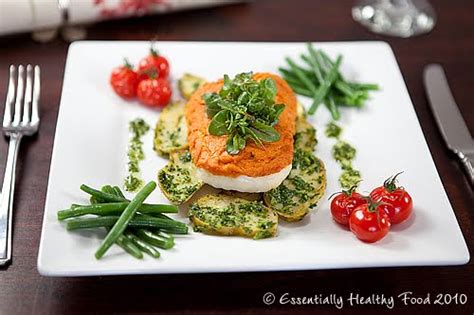
Before you even think about garnishes, understand the core principles that underpin visually stunning dishes. Think of your plate as a canvas:
- Balance: Aim for a harmonious distribution of colors, textures, and shapes. A plate shouldn’t be monochromatic or cluttered with a single texture.
- Focal Point: Every dish needs a star. This is usually your main protein or vegetable. Place it strategically to draw the eye.
- Negative Space: Don’t feel the need to fill every inch of the plate. Empty space can highlight your food and prevent it from looking messy.
- Flow: Arrange elements so the eye moves naturally across the plate, telling a story about the dish.
Mastering Plating Techniques
Now, let’s get practical with specific techniques that professional chefs and food stylists employ:
1. The Rule of Thirds & The Clock Method
Imagine your plate divided into thirds horizontally and vertically (like a tic-tac-toe board). Place key elements at the intersections. Alternatively, use the ‘clock method’:
- Protein: 3 o’clock to 9 o’clock
- Starch/Carb: 9 o’clock to 12 o’clock
- Vegetable: 12 o’clock to 3 o’clock
2. Building Height and Texture
Flat food looks uninspired. Create visual interest by:
- Stacking: Neatly stack components (e.g., layered lasagna, stacked pancakes).
- Piling: Create a small, elegant mound of grains or purees.
- Leaning: Lean components against each other for dynamic angles.
- Varying Textures: Incorporate crunchy, creamy, smooth, and crisp elements.

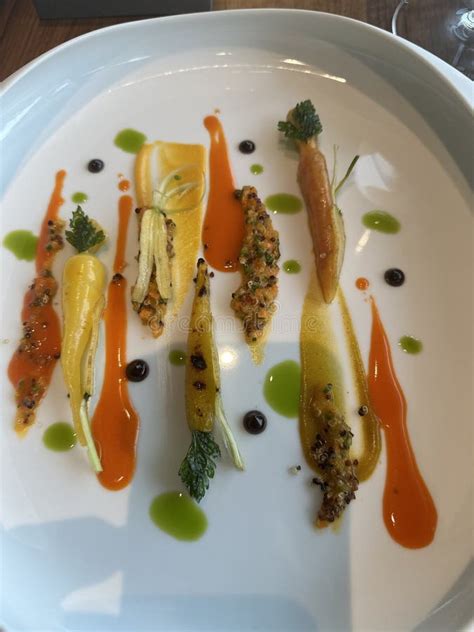
3. Saucing and Drizzling with Finesse
Sauces are not just for flavor; they’re critical for presentation. Less is often more.
- Underneath: Create a bed of sauce for your main component.
- Swirls/Swooshes: Use the back of a spoon to create an elegant streak or swirl.
- Drizzling: A light drizzle can add shine and visual appeal. Use squeeze bottles for precision.
4. The Art of Garnishing
Garnishes are the finishing touch, adding color, freshness, and often an extra layer of flavor. Choose wisely:
- Fresh Herbs: A sprig of rosemary, cilantro leaves, or chopped chives can instantly brighten a dish.
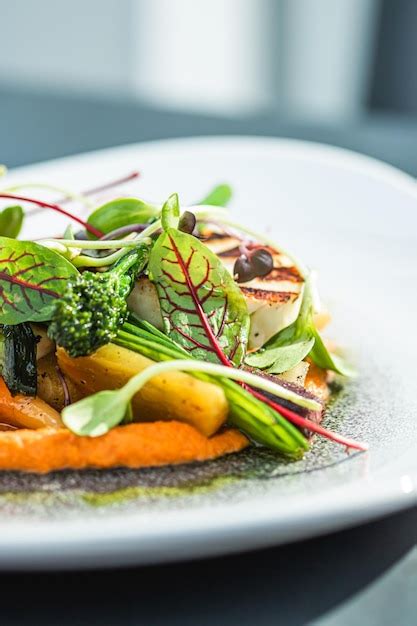
- Microgreens: Delicate and visually stunning, they add a touch of gourmet.
- Spices & Zests: A dusting of paprika, a sprinkle of chili flakes, or citrus zest can add vibrant color and aroma.
- Edible Flowers: For a truly elegant touch (ensure they are indeed edible!).
Styling for the Camera: Beyond the Plate
Once your dish is perfectly plated, consider its surroundings if you plan to snap a photo.
- Lighting is Key: Natural, diffused light is your best friend. Avoid direct sunlight or harsh overhead lights, which create unflattering shadows. Position your dish near a window.
- Simple Backgrounds: A plain tablecloth, a wooden board, or a neutral surface helps the food stand out.
- Minimal Props: A complementary fork, a linen napkin, or a small bowl of ingredients used in the dish can enhance the scene without distracting from the food.
- Clean Edges: Use a damp paper towel or cotton swab to wipe away any drips or smudges from the plate rim.
Common Pitfalls to Avoid
- Over-Garnishing: A few well-placed elements are better than a cluttered mess.
- Too Many Colors/Textures: While variety is good, too much can look chaotic.
- Using the Wrong Plate: Choose dishware that complements your food in size, shape, and color. White plates are often a safe and effective choice as they make colors pop.
- Cold Food: Plate quickly and efficiently, especially if serving immediately.
Practice Makes Perfect!
Don’t be discouraged if your first attempts don’t look exactly like a magazine spread. Plating and styling are skills that improve with practice. Experiment with different arrangements, sauces, and garnishes. Pay attention to how food looks in your favorite cookbooks and restaurants. Soon, you’ll be creating dishes that not only taste incredible but look utterly irresistible, ready for their close-up!