How to make real food visually pop in photos for your foodie feed?
Elevate Your Food Photography Game
In today’s visually-driven world, a captivating photo can be just as important as the deliciousness of the food itself, especially for a vibrant foodie feed. While gourmet chefs often have professional stylists, you don’t need a massive budget or a studio to make your real, home-cooked meals look absolutely irresistible. With a few simple techniques, you can transform your everyday dishes into photographic masterpieces that will have your followers drooling.
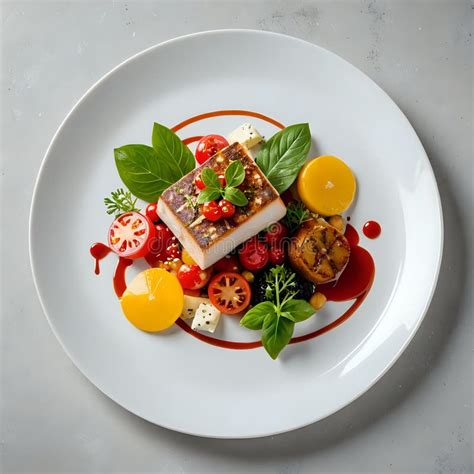
Mastering Natural Light for Stunning Shots
The single most crucial element in food photography is light. Natural light is your best friend. Ditch the harsh overhead kitchen lights and fluorescent bulbs. Instead, position your food near a window, but out of direct sunlight. Direct sun can create harsh shadows and blow out highlights.
Soft, diffused light is ideal. If the light coming through your window is too strong, use a sheer curtain, a piece of parchment paper, or even a white bedsheet to diffuse it. Experiment with angles: side lighting often works best, revealing textures and adding depth. Backlighting can create a beautiful glow around your food, making it appear ethereal and inviting.
Composition and Styling: Less is Often More
Once you’ve got your lighting sorted, focus on composition. Think about the story you want to tell. The rule of thirds is a great starting point – imagine a grid over your image and place your main subject at the intersections. Don’t center everything.
Thoughtful Prop Selection
Props can enhance, but never overshadow, your food. Choose simple, clean backgrounds like a wooden cutting board, a linen napkin, or a plain ceramic plate. Avoid busy patterns or distracting elements. Utensils, a sprig of fresh herbs, or a small bowl of an ingredient used in the dish can add context and visual interest without clutter.
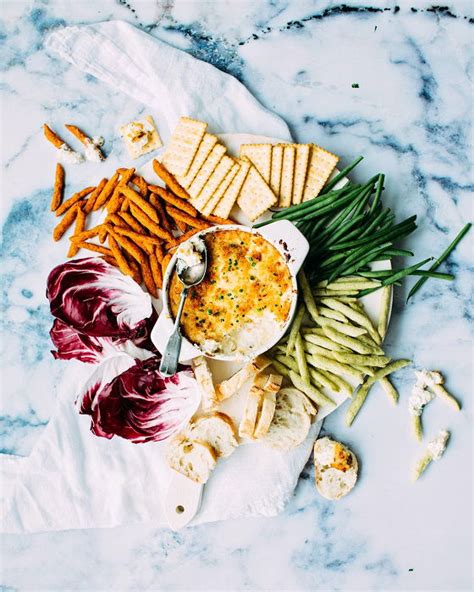
Play with Color, Texture, and Contrast
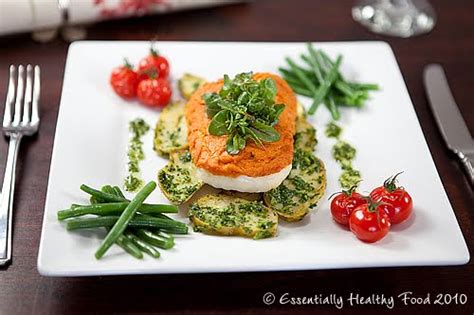
Real food naturally has wonderful colors and textures. Enhance them! Garnish liberally with fresh herbs like parsley or cilantro, a sprinkle of flaky sea salt, a zest of citrus, or a drizzle of olive oil. These small additions can add crucial pops of color and highlight textures that might otherwise be lost.
Think about contrasting colors – a vibrant green against a rich red, or a bright yellow against a deep purple. This contrast makes your food stand out and feel more dynamic. Don’t be afraid to show off the different layers and elements of your dish.
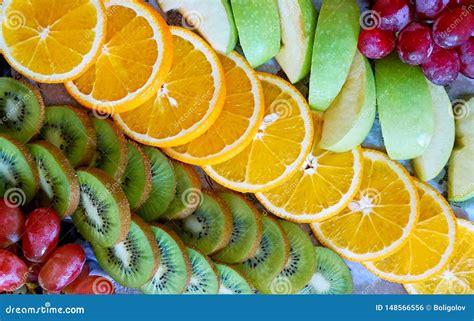
Angles and Perspective: Showcasing Your Dish
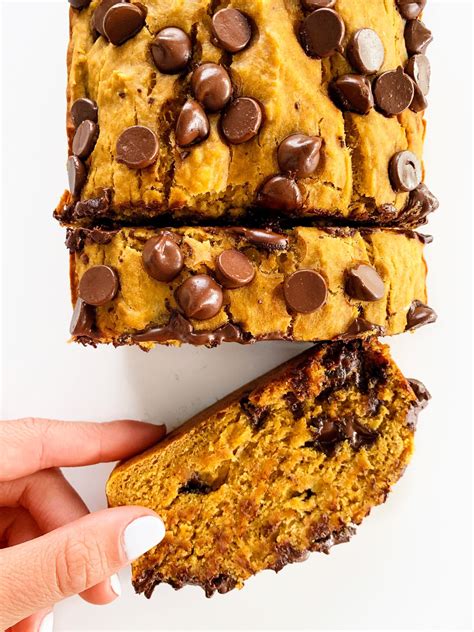
Different dishes look best from different angles. An overhead or ‘flat lay’ shot is perfect for showcasing bowls of soup, pizzas, or beautifully arranged salads where all ingredients are visible on the surface. Eye-level shots are excellent for burgers, sandwiches, or stacked desserts, emphasizing their height and layers. A 45-degree angle is often a safe bet for most dishes, offering a balanced view of both the top and sides.
Don’t forget the power of a close-up! Sometimes, zooming in on a particular texture, a glistening sauce, or a perfectly browned crust can be incredibly compelling and make viewers almost taste the food through the screen.
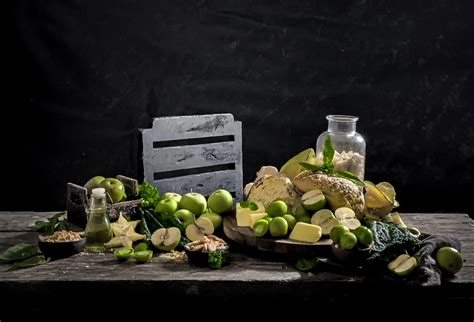
Subtle Post-Processing for a Polished Look
Even the best photos can benefit from a touch of editing. You don’t need expensive software; most smartphone apps or free online tools offer basic adjustments. Focus on:
- Brightness/Exposure: Lighten up slightly to make the food pop.
- Contrast: Enhance the difference between light and dark areas.
- Saturation/Vibrancy: Boost colors subtly, but avoid making them look artificial.
- Sharpness: A slight increase can make details crisper.
- White Balance: Ensure colors look true to life, removing any yellow or blue casts.
The key is subtlety. Your goal is to enhance the natural beauty of your food, not to create an unrealistic, overly filtered image.
Conclusion: Practice Makes Perfect
Making real food visually pop in photos is an art that develops with practice. Start by paying attention to the details: good lighting, thoughtful composition, vibrant colors, and careful editing. Don’t be afraid to experiment with different angles and props. Soon, your foodie feed will be a testament to not just your culinary skills, but your budding photography talent, inspiring others with every delicious shot.