How to make seasonal produce shine visually in your home cooking recipes?
Embrace the Natural Beauty of Seasonal Ingredients
There’s an undeniable allure to food that looks as good as it tastes. While flavor is paramount, the visual appeal of a dish can significantly enhance the dining experience, making it more inviting and appetizing. Seasonal produce, with its peak freshness and vibrant colors, offers a natural head start in creating visually stunning meals. The key is to highlight these inherent qualities rather than mask them.
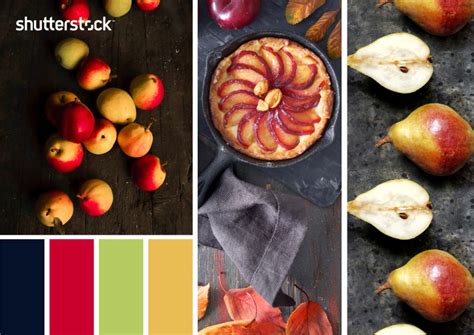
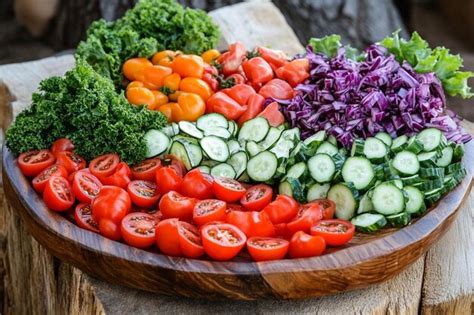
To truly make your seasonal produce shine, begin by selecting the best ingredients. Look for fruits and vegetables that are firm, brightly colored, and free of blemishes. The more vivid and robust your raw materials are, the less work you’ll have to do later to create visual impact. Think about the deep reds of summer berries, the earthy greens of spring asparagus, or the warm oranges of autumn squash – each brings its own unique palette to your plate.
![[1800+] Colorful Pictures | page 17 | Wallpapers.com](/images/aHR0cHM6Ly90czEubW0uYmluZy5uZXQvdGg/aWQ9T0lQLnd0d2lOQ21WV3d1ak5sX3FucXRGSFFIYUVvJnBpZD0xNS4x.webp)
Mastering Color and Contrast on Your Plate
Once you have your star ingredients, consider how they interact on the plate. Color is perhaps the most powerful visual tool. Aim for a balance of colors that complement each other without clashing. A monochromatic dish can be elegant, but often, a pop of contrasting color can make the entire presentation more dynamic. For instance, pairing a vibrant green pea purée with roasted orange carrots, or garnishing a rich purple beet salad with bright yellow lemon zest, creates instant visual interest.
Beyond color, think about form and shape. Keep some vegetables in their natural, recognizable shapes, while others can be cut into interesting geometries – julienned, diced, or spiralized. This variation adds depth and curiosity to the plate. Don’t overcrowd the plate; give each element space to breathe. Negative space can be just as important as the food itself, allowing the eye to rest and appreciate each component.
Texture and Height: Adding Dimension to Dishes
Visual appeal isn’t just about flat colors; it’s also about perceived texture and dimension. Incorporate ingredients with varying textures to add interest. A dish with a mix of creamy, crunchy, and crisp elements is far more appealing than one with uniform texture. Consider adding toasted nuts or seeds for crunch, fresh herbs for a delicate finish, or a dollop of a smooth sauce to contrast with a rustic main.
Height is another fantastic way to elevate your presentation. Instead of spreading everything flat, try stacking components carefully or leaning elements against each other. A mound of fluffy couscous topped with perfectly grilled asparagus spears, or a layered salad that showcases each ingredient, instantly makes the dish look more professional and inviting. Even a simple drizzle of dressing in an artful pattern can add a sophisticated touch.
The Power of Garnish and Thoughtful Presentation
Never underestimate the impact of a simple, well-chosen garnish. Fresh herbs like parsley, cilantro, or dill can add a burst of color and fragrance. A sprinkle of edible flowers can transform a dish from ordinary to extraordinary. Citrus zests offer bright color and an aromatic lift. Even a dusting of paprika or a swirl of olive oil can add visual polish.
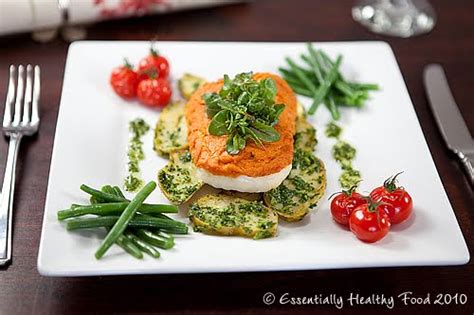
Finally, consider the vessel itself. The plate or bowl you choose can significantly influence how your food is perceived. White or neutral-colored plates often allow the colors of your seasonal produce to pop most effectively. Ensure your plates are clean and warm (if appropriate for the dish) before serving. The overall presentation, from the first glance, sets the stage for a delightful culinary experience, celebrating the best of what each season has to offer.