How to make Visual Bites genuinely *taste* appealing without sound for foodies?

The Challenge: A Silent Symphony of Flavor
In a world saturated with sensory input, a “Visual Bite” asks us to do something remarkable: convey the full, mouth-watering experience of food purely through sight. For foodies, who often engage with their meals on a multi-sensory level – the sizzle, the crunch, the clinking of cutlery – removing sound presents a unique challenge. How do we make an image or a silent video not just look good, but genuinely *taste* appealing, triggering a powerful imaginative response that anticipates flavor, aroma, and texture?
It’s about more than just a pretty picture; it’s about translating the promise of a delightful culinary experience into a compelling visual narrative. This requires a masterful interplay of elements that speak directly to our primal desires for sustenance and pleasure.
Mastering Color Psychology and Vibrancy
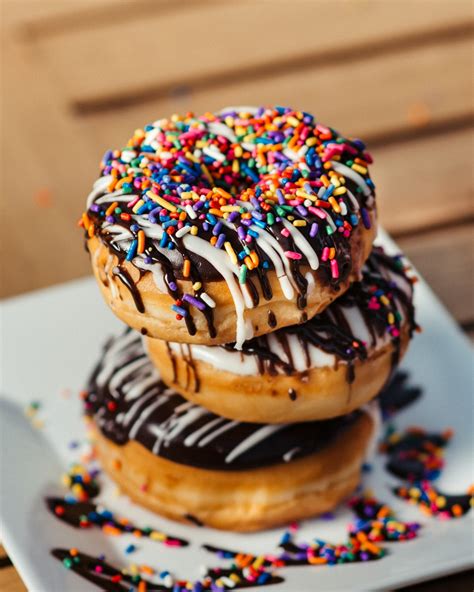
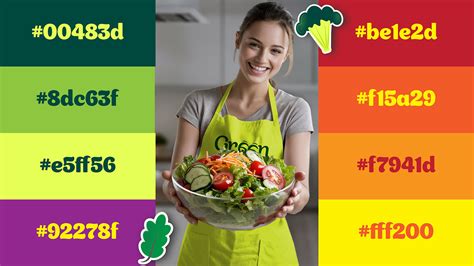
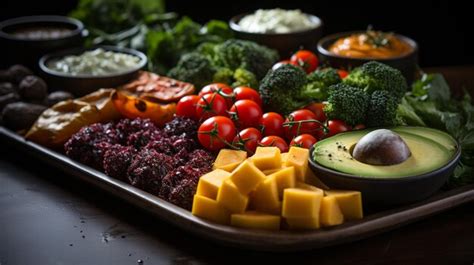
Color is perhaps the most immediate visual cue for flavor perception. Bright, vibrant colors often signify freshness, ripeness, and intense flavor. Think of the deep red of a ripe tomato, the rich green of fresh basil, or the golden-brown crust of a perfectly baked pie. Over-processed or muted colors can inadvertently signal dullness or lack of flavor.
Understanding color theory in food photography means using natural, appealing hues, and ensuring proper white balance to represent colors accurately. Contrasting colors can make individual ingredients pop, enhancing the perceived complexity and freshness of a dish.
Textural Triumphs: Communicating Mouthfeel
Without sound, communicating texture is paramount. How do you show the satisfying crunch of a crisp apple, the delicate flakiness of a croissant, the creamy richness of a sauce, or the juicy tenderness of roasted meat? This is where visual cues become critical.
Close-up shots can emphasize intricate textures, highlighting glistening surfaces, visible layers, or the subtle imperfections that speak of authenticity. Dynamic shots, such as a fork piercing a flaky crust or a drizzle of sauce, can imply movement and interaction, further hinting at the dish’s mouthfeel.
Dynamic Composition and Appetizing Angles
Composition guides the viewer’s eye and helps tell the dish’s story. Using the rule of thirds, leading lines, and negative space can create visually engaging scenes that draw attention to key ingredients or the dish’s overall appeal. An elevated angle might showcase the full breadth of a beautifully plated dish, while a low, intimate angle can emphasize its height, layers, and volume.
Consider how the arrangement of elements on the plate and in the frame can suggest a narrative – from the fresh produce waiting to be devoured to the satisfying aftermath of a delicious meal.
The Magic of Lighting and Styling
Lighting is the sculptor of food photography, defining shape, depth, and mood. Natural light often yields the most appetizing results, creating soft shadows and highlights that make food look fresh and inviting. Strategic lighting can emphasize a glossy glaze, the steam rising from a hot dish, or the delicate details of a garnish.
Food styling, on the other hand, is the art of presentation. It involves thoughtful plating, selecting appropriate props and backdrops, and adding subtle elements like condensation on a glass or a strategically placed crumb to evoke a sense of realness and immediate deliciousness.
Garnish, Glaze, and the Irresistible Detail
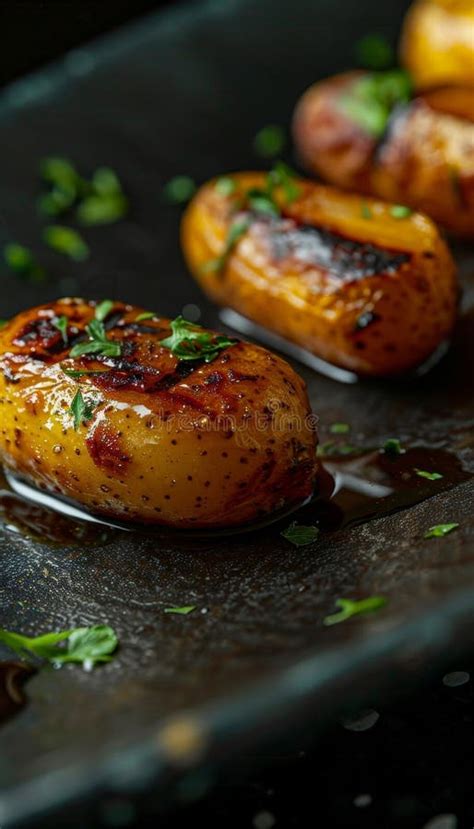
It’s often the small, meticulous details that elevate a visual bite from good to irresistible. A sprinkle of flaky sea salt, a vibrant herb garnish, a perfectly placed dollop of cream, or a glistening glaze can signal care, quality, and an explosion of flavor. These details act as visual exclamation points, promising an enhanced sensory experience.
Consider the power of condensation on a cold drink or the subtle shimmer of oil on roasted vegetables; these tiny elements whisper promises of refreshing coolness or savory richness.

Evoking Human Experience (Subtly)
While sound is absent, implying human interaction can significantly enhance the appeal. A hand reaching for a piece of bread, a spoon poised to scoop, or even the subtle impression of a bite taken can add a dynamic, relatable dimension. These elements subtly invite the viewer to imagine themselves participating in the experience, making the ‘taste’ more immediate and personal.
Focus on the ‘aftermath’ as well – crumbs on a plate, a half-eaten portion – to convey that the food was so delicious, it couldn’t be resisted.
Conclusion: A Feast for the Eyes, A Promise for the Palate
Making visual bites genuinely taste appealing without sound is an art form that taps into our most fundamental sensory associations. By meticulously controlling color, texture, composition, lighting, and detail, creators can craft images and silent videos that don’t just depict food, but powerfully evoke its flavor, aroma, and mouthfeel. It’s about igniting the imagination, promising a delightful culinary journey, and making the viewer’s mouth water purely through the power of sight.
The goal is to transcend the visual, transforming a still image or silent clip into a full-bodied sensory experience that resonates deeply with the foodie’s desire for genuine taste.