How to make “Visual Bites” instantly craveable for real foodies?
The Art and Science of Instant Food Desire
In the world of real foodies, the journey of culinary appreciation often begins long before the first bite. It starts with the eyes. “Visual Bites” aren’t just pretty pictures of food; they are meticulously crafted sensory experiences designed to trigger an immediate, undeniable craving. For food enthusiasts, these visuals are the appetizers to the actual meal, setting expectations and building anticipation. But how do you elevate a simple food photo into an instantly craveable masterpiece that truly speaks to a discerning palate?
It’s a delicate balance of understanding visual psychology, mastering technical skills, and infusing genuine passion into every frame. Forget generic stock photos; real foodies are looking for authenticity, artistry, and an almost palpable deliciousness.
Mastering Composition and Storytelling
A truly craveable Visual Bite goes beyond just showing food; it tells a story. Think about your shot’s composition as the narrative framework. Utilize the rule of thirds to create dynamic interest, employ leading lines to guide the viewer’s eye, and embrace negative space to give your subject room to breathe. The arrangement of elements on the plate and in the frame can evoke feelings of comfort, sophistication, or rustic charm. Consider the context: Is it a bustling brunch scene, a quiet morning coffee, or an elaborate dinner spread? Each setting has its own visual language.
Props should be minimal, relevant, and supportive, never distracting. A worn wooden board, a linen napkin, or a sprinkle of fresh herbs can add character and texture, hinting at the food’s origin or preparation. The goal is to create an immersive scene that makes the viewer feel like they could reach out and experience the moment.

The Psychology of Color and Texture
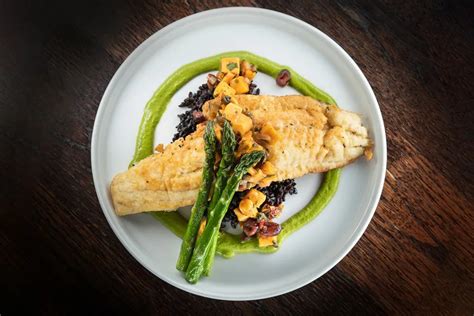
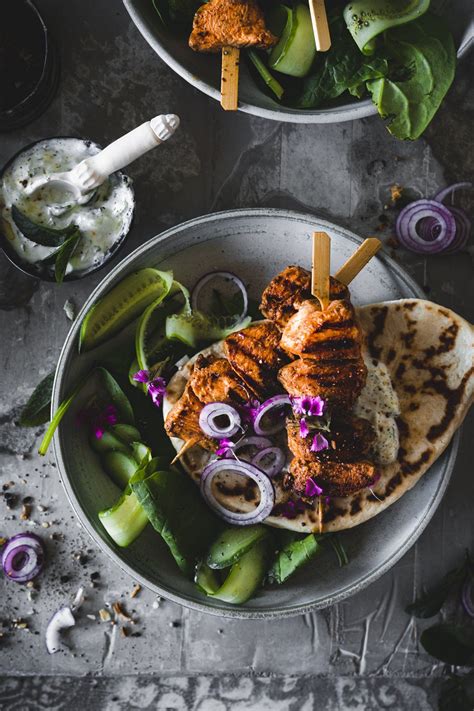
Color is perhaps the most powerful trigger for food cravings. Vibrant, natural hues immediately signal freshness, ripeness, and flavor. Think of the deep red of a perfectly ripe tomato, the golden crust of baked bread, or the brilliant green of fresh pesto. Avoid over-saturating or artificial filters that make food look unnatural; authenticity is key. A foodie’s eye is trained to spot genuine color.
Texture is equally vital. A Visual Bite should hint at the tactile experience of eating. Show the glistening juices of a seared steak, the crispy edges of a fried egg, the flaky layers of a croissant, or the creamy swirl of a sauce. Highlighting these textural details makes the food almost irresistible. Use strategic lighting and sharp focus to bring these elements to the forefront, allowing the viewer to almost feel the crunch, the smoothness, or the tender give of the food.
Illumination: The Key to Appetizing Appeal
Light is the single most critical ingredient in food photography. It can make or break a Visual Bite. Natural, diffused light is almost always preferred, as it creates soft shadows and highlights that give food depth and dimension without harshness. Positioning your food near a window, slightly angled to the light source, often yields the best results. Overcast days or using sheer curtains can help diffuse harsh sunlight.
Consider the direction of your light. Backlighting can create a beautiful halo effect, highlighting steam or the translucent qualities of certain foods. Sidelighting can emphasize texture and add a sense of drama. Avoid direct overhead flash, which flattens food and creates unattractive reflections. The right light should make your food look fresh, inviting, and utterly delicious, enhancing its natural beauty rather than masking it.
Strategic Editing for Enhanced Craveability
While the initial shot is paramount, smart post-processing can take a Visual Bite from good to unforgettable. The goal of editing should be enhancement, not invention. Subtle adjustments to white balance can correct color casts, making your food appear more natural and appealing. Boosting contrast can add depth, making textures pop, while a touch of clarity or sharpness can define details without looking artificial.
Resist the urge to heavily filter or over-edit. Foodies appreciate visuals that look authentic and approachable. Focus on making the colors truer, the textures clearer, and the overall image more vibrant and inviting. Cropping can also play a huge role in refining your composition, removing distractions, and guiding the eye precisely where you want it – to the most craveable part of the dish.
Beyond the Plate: The Human Element and Sensory Immersion
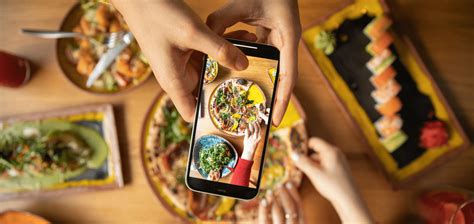
Sometimes, the most craveable Visual Bites aren’t just about the food itself, but the experience surrounding it. Including a human element – a hand reaching for a piece of bread, a gentle pour of sauce, or a shared moment at a table – can add warmth, scale, and a sense of relatability. These touches invite the viewer into the scene, making the food feel more accessible and desirable.
Think about how to evoke other senses through your visual. Can you almost hear the sizzle, smell the aroma, or feel the warmth? Steam rising from a hot dish, condensation on a cold glass, or crumbs scattered around a pastry all contribute to this multi-sensory illusion. It’s about creating an image that resonates on a deeper, more evocative level, making the viewer not just see the food, but truly feel it.
Conclusion: Cultivating Consistent Craveability
Making Visual Bites instantly craveable for real foodies is an ongoing journey of observation, practice, and passion. It requires attention to detail, a keen understanding of light and composition, and an unwavering commitment to authenticity. By mastering these elements – from artful plating and strategic lighting to thoughtful editing and sensory storytelling – you can transform your food photography into powerful invitations that spark desire and celebrate the true artistry of culinary creation. Consistent application of these principles will not only capture attention but also forge a lasting, delicious connection with your audience.