How to make Visual Bites instantly craveable for real foodies, beyond just pretty?

The Art of Culinary Seduction: Beyond Just Pretty
In the bustling world of food media, a “visual bite” must do more than just catch the eye; it needs to awaken the senses, evoke memory, and spark an undeniable craving. For true foodies, who understand and appreciate the nuances of gastronomy, a merely beautiful image isn’t enough. They seek authenticity, depth, and a promise of flavor that transcends the screen. The challenge, then, is to transform a static image into a dynamic invitation to taste.

Highlighting the Heroes: Ingredients and Texture
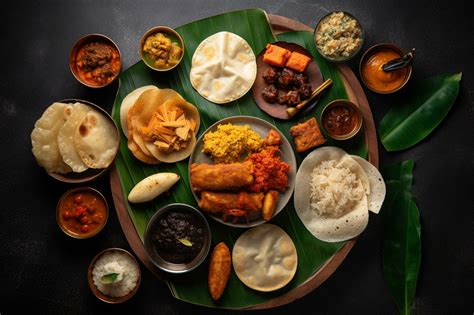
To make food truly craveable, your visuals must celebrate its fundamental components. Focus on showcasing the freshness and quality of your ingredients. A vibrant splash of color from ripe tomatoes, the glistening fat on a perfectly seared steak, or the rustic charm of artisanal bread – these details speak volumes. Don’t be afraid to get up close and personal. Macro shots can highlight the intricate textures: the crisp edges of a fried chicken, the gooey center of a molten chocolate cake, or the delicate flakiness of a pastry. Texture is a language foodies understand inherently; learn to speak it visually.
Consider the interplay of different textures within a single dish. A salad isn’t just green; it’s crunchy lettuce, creamy avocado, crisp cucumber, and a scattering of toasted nuts. Capture these elements in a way that viewers can almost feel the bite in their mouth.
The Power of Light and Shadow: Sculpting Desire
Light is your most potent tool. Natural light, especially soft, diffused light, is often best for food photography as it creates gentle shadows that add depth and dimension. Harsh direct light can flatten the image and make food look artificial. Use shadows to your advantage, sculpting the contours of the dish and drawing attention to key elements. A well-placed shadow can hint at volume, texture, and even warmth, transforming a flat image into a three-dimensional experience. Experiment with backlighting to create a captivating glow around your subject, making liquids shimmer and ingredients appear almost ethereal.

Composition That Tells a Story, Not Just Displays
Moving beyond a sterile, perfectly centered shot is crucial. Foodies appreciate context and a sense of realism. Use composition to tell a mini-story about the dish. This might involve:
- The “Imperfect” Plating: A little mess, a crumb out of place, a drizzle that’s not perfectly uniform can make the dish look more approachable and real.
- Negative Space: Don’t feel the need to fill every inch of the frame. Strategic negative space can draw attention to the main subject and create a sense of elegance.
- Depth of Field: Use a shallow depth of field to keep the focus sharply on the most appetizing part of the dish, blurring the background into a pleasing bokeh that enhances the hero element.
Think about the journey from kitchen to table, or the act of eating itself. These elements add relatability.
Capturing Movement and The Human Element
Static images can be beautiful, but dynamic shots are craveable. Incorporate movement to suggest freshness, action, and anticipation. Think about shots like:
- A sprinkle of fresh herbs falling onto a dish.
- A fork lifting a perfect bite.
- Steam rising from a hot bowl of soup.
- Molten cheese stretching as a slice is pulled.
These “action shots” infuse life into your visuals. Similarly, including human elements – hands reaching for a dish, a blurry figure in the background enjoying the meal, or even just the subtle hint of human interaction – can create a sense of warmth and relatability. It reminds the viewer that this food is meant to be enjoyed, shared, and experienced.
Authenticity Over Artificial Perfection
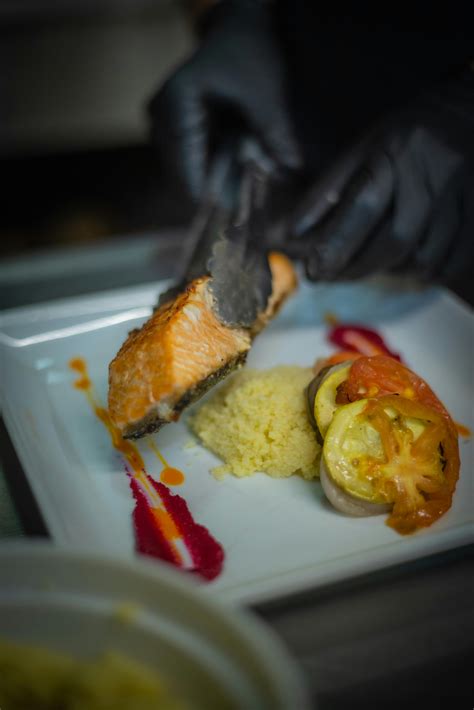
In an age of hyper-curated content, authenticity resonates deeply with real foodies. Avoid excessive filters, unnatural colors, or props that distract rather than enhance. The goal isn’t to make food look like a plastic replica, but to capture its delicious essence. Embrace the natural imperfections: the char on roasted vegetables, the natural cracks in a crusty bread, the slight blur of steam. These are the markers of real, delicious food. Let your passion for food shine through your lens, and it will be inherently more craveable than any artificially sweetened image.

Conclusion: The Invitation to Indulge
Creating craveable visual bites is an art that goes beyond simple aesthetics. It’s about understanding the psychology of desire, mastering the technical aspects of photography, and, most importantly, conveying the true essence of food. By focusing on quality ingredients, evocative textures, strategic lighting, compelling composition, and a touch of human authenticity, you can transform your visual bites into irresistible invitations that real foodies simply cannot refuse.