How to make ‘Visual Bites’ photos truly mouth-watering for real foodies?
Beyond Just Good-Looking: Capturing the Culinary Soul
For true foodies, a mere aesthetically pleasing food photo isn’t enough. They crave a ‘Visual Bite’ that transcends the screen, invoking senses of aroma, texture, and taste. To truly make a dish mouth-watering, your photography must tell a story, evoke emotion, and celebrate the food’s inherent deliciousness. It’s about capturing not just what it looks like, but what it feels like to eat it.
This guide dives into advanced techniques to elevate your food photography from merely attractive to undeniably irresistible, ensuring your ‘Visual Bites’ resonate deeply with the most discerning palates.

Embrace Authenticity and Freshness
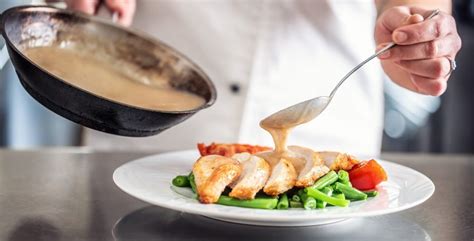
The biggest turn-off for a foodie is food that looks plastic or manipulated. Focus on genuine freshness. Use ingredients at their peak – vibrant greens, ripe fruits, perfectly seared meats. Highlight natural textures, condensation, and the slight imperfections that signify real food. A glistening sauce or a perfectly golden crust will always trump an overly airbrushed, unnatural sheen. Prepare food as if you’re about to serve it to a guest, not just for the camera; this authenticity translates directly into mouth-watering appeal.
Master the Art of Composition and Storytelling
A great food photo isn’t just about the main dish; it’s about the narrative around it. Consider the context: a rustic cutting board, a crumpled napkin, a subtle reflection, or even a hand reaching for a piece. Use the rule of thirds, leading lines, and negative space to guide the viewer’s eye. Tell the story of the dish’s preparation, its origin, or the experience of enjoying it. This human element adds warmth and relatability, making the ‘Visual Bite’ more engaging.
The Indispensable Role of Lighting
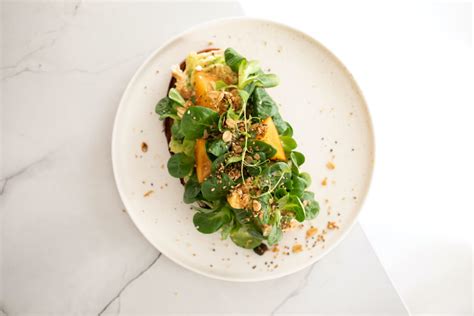
Lighting is the single most critical factor in making food look appetizing. Soft, diffused natural light is often best, illuminating textures without harsh shadows or blown-out highlights. Position your food near a window, using diffusers and reflectors to control the light. Backlighting can create a beautiful halo effect, enhancing steam or liquid gleam, while side lighting emphasizes texture and depth. Avoid direct flash at all costs, as it flattens the image and creates an unappetizing glare that strips away the food’s natural charm.

Highlight Texture and Detail
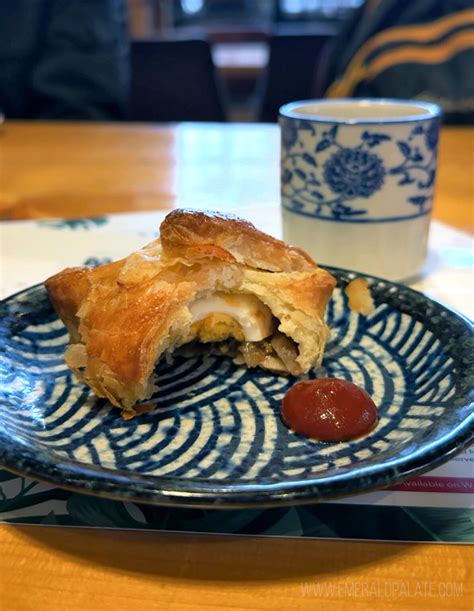
Foodies eat with their eyes, and texture communicates so much about how food will feel in the mouth. Zoom in to capture the crispiness of fried chicken, the flakiness of a pastry, the velvety smoothness of a soup, or the delicate bubbles in a carbonated drink. Sharp focus on key textures allows the viewer to almost “feel” the food. Don’t be afraid of close-ups that reveal the intricate details of ingredients.
Sometimes, a slight drip or a sprinkle of crumbs can add to the authenticity, suggesting a moment caught in time rather than a sterile setup, enhancing the desire to taste.
Thoughtful Garnishes and Props
While the focus should always remain on the food, judicious use of garnishes and props can elevate the ‘Visual Bite’. A sprig of fresh herbs, a sprinkle of sea salt, a drizzle of olive oil, or a scattering of toasted nuts can add color, contrast, and implied flavor. Choose props – cutlery, plates, tablecloths – that complement the food and the desired mood without overwhelming the scene. Simplicity and relevance are key; avoid anything that distracts from the star of the show.
Strategic Perspective and Angles
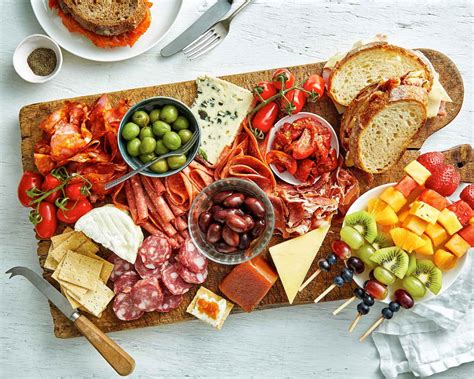
Experiment with different camera angles. A straight-on shot works well for burgers or layered cakes, emphasizing their height and layers. An overhead (flat lay) shot is fantastic for intricate patterns, bowls, or spreads, showcasing the entire arrangement. A 45-degree angle mimics how we typically view our food at the table, creating a sense of intimacy and readiness to eat. Each angle tells a different story and emphasizes different aspects of the dish. Find the angle that best showcases the food’s most appealing features, making it irresistible to the viewer.
Subtle Post-Processing: Enhance, Don’t Fabricate
Post-processing is your final touch, not a magic wand to fix poor initial shots. Use it to subtly enhance what’s already there: adjust white balance for accurate colors, fine-tune contrast to make textures pop, sharpen details, and correct exposure. Avoid heavy filters or oversaturation that can make food look artificial. The goal is to bring out the food’s natural beauty, making it look even more appetizing than it did in person, without crossing into the realm of the unreal or unpalatable.
Conclusion: A Feast for the Eyes and the Palate
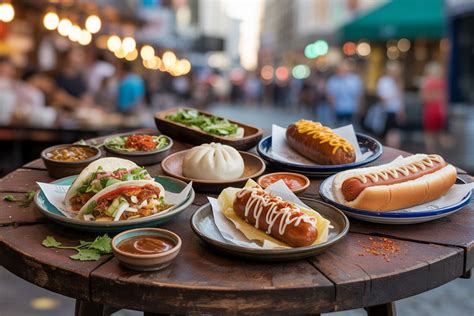
Making ‘Visual Bites’ truly mouth-watering for real foodies is an art that blends technical skill with a deep understanding of culinary appeal. It’s about respecting the food, understanding the viewer’s desire for authenticity, and meticulously crafting an image that speaks to all senses. By focusing on freshness, thoughtful composition, masterful lighting, and subtle enhancements, you can transform your food photography into a truly irresistible culinary invitation. Practice, experiment, and always ask yourself: “Does this make me want to eat it right now?”