How to make “Visual Bites” visually irresistible, prompting foodies to click recipes?
The Art of Seduction: Making Food Photography Click-Worthy
In the bustling digital landscape, where feeds are flooded with culinary creations, merely presenting a dish isn’t enough. To stand out and convert curious scrollers into enthusiastic recipe followers, your ‘Visual Bites’ must be more than just pretty; they need to be visually irresistible. This guide delves into the essential elements that transform a good food photo into a compelling call to action, prompting foodies to click your recipes time and again.
Mastering the Light: Your First Ingredient for Irresistibility
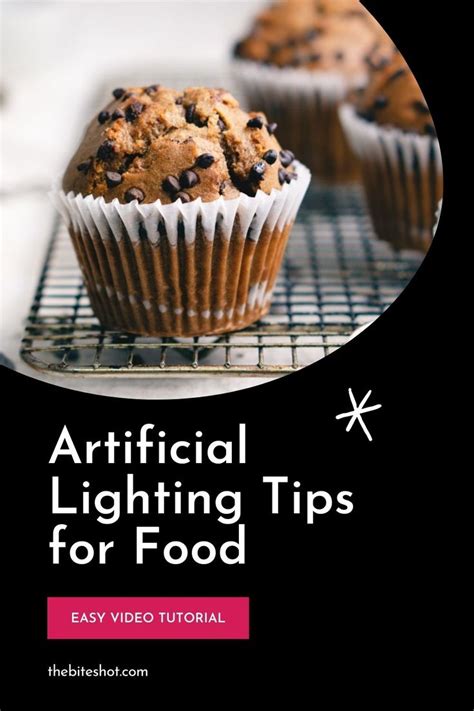
Light is the single most crucial element in food photography. It dictates mood, texture, and the overall appeal of your dish. Natural light is almost always preferred – think soft, diffused light from a window, avoiding direct sunlight which can create harsh shadows and blown-out highlights.
- Soft & Diffused: Use sheer curtains or a diffuser between your light source and the food.
- Golden Hour Glow: If shooting outdoors or near a window, the hour before sunset or after sunrise offers warm, flattering light.
- Backlighting & Sidelighting: Experiment with light coming from behind or the side of your dish to emphasize texture and create a beautiful glow. Avoid front-on flash at all costs!
Composition and Styling: The Blueprint for Visual Desire
Beyond light, how you arrange your food and its surroundings plays a pivotal role. Thoughtful composition guides the viewer’s eye, while strategic styling tells a story.
Plating with Purpose: More Than Just Food on a Plate
- Color Contrast: Ensure your food stands out against its plate and background. Use complementary colors to make ingredients pop.
- Texture & Layers: Showcase the different textures within your dish. A sprinkle of fresh herbs, a drizzle of sauce, or a crunchy garnish adds depth.
- Height & Volume: Don’t flatten your food. Create visual interest by building height and arranging elements to give a sense of abundance.
- Cleanliness is Key: Wipe plate edges clean. No drips or smudges!
Styling with Story: Props and Backgrounds
Props should enhance, not distract. Choose items that are relevant to the dish or its ingredients, and maintain a consistent aesthetic. A worn wooden board for rustic bread, or elegant cutlery for a gourmet meal, can elevate the entire scene.
- Rule of Thirds: Position your main subject off-center for a more dynamic composition.
- Negative Space: Don’t crowd the frame. Empty space can draw attention to your subject and create a sense of calm.
- Depth of Field: Use a shallow depth of field to keep your food sharply in focus while blurring the background, making your dish truly pop.
The Power of Color and Edibility Cues
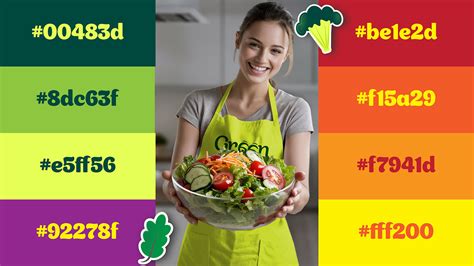
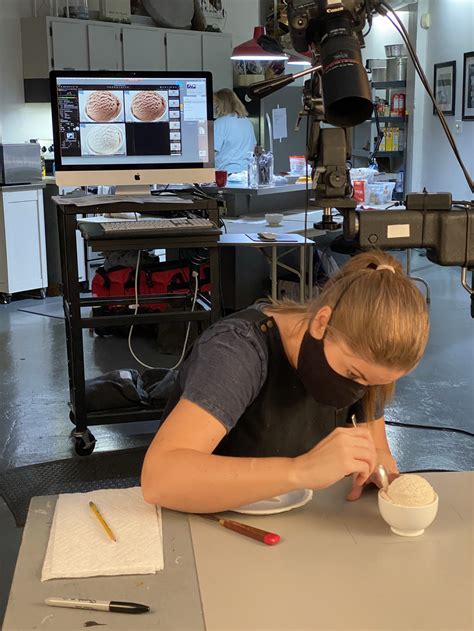
Colors are powerful mood setters. Bright, vibrant colors signal freshness and flavor, while muted tones can evoke warmth and comfort. Ensure your food looks its best – perfectly cooked, not over or underdone. Think about glistening sauces, crispy edges, and fresh garnishes that scream ‘eat me now!’
Post-Processing Magic: Refining Your Visual Story
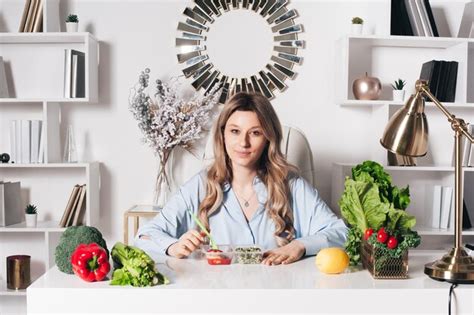
Editing is where you refine your image to perfection. Even the best raw photo can benefit from a little polish.
- Brightness & Contrast: Adjust these to make your food pop.
- Color Correction: Enhance natural colors without over-saturating.
- Sharpening: Add a touch of sharpness to highlight details.
- Consistency: Maintain a consistent editing style across your ‘Visual Bites’ for a cohesive brand identity.
Crafting an Irresistible Call to Action
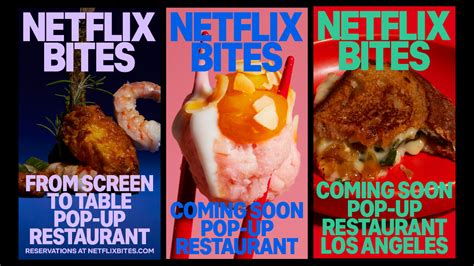
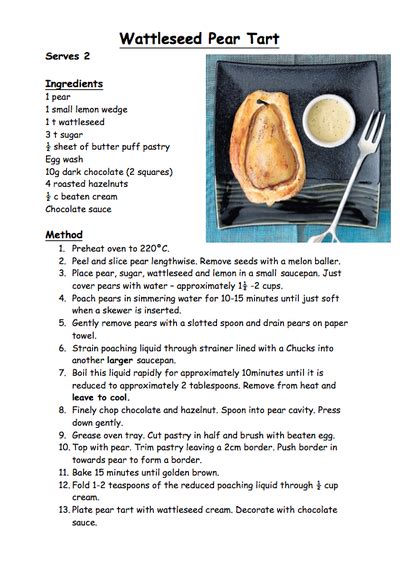
Your stunning visual is just the first step. To prompt a click, you need a clear and compelling call to action. Pair your enticing photo with a concise, curiosity-inducing caption that makes viewers eager for the full recipe. Highlight a unique ingredient, a surprising technique, or the ease of preparation. Make the link prominent and easy to find.
Conclusion: Beyond the Lens, Into the Kitchen
Creating irresistible ‘Visual Bites’ is an art that blends technical skill with creative vision. By mastering light, composition, styling, and post-processing, and pairing them with a compelling call to action, you transform simple food photos into powerful tools that not only capture attention but also inspire action. Each click represents a step from visual appreciation to culinary exploration, proving that in the world of food, we first eat with our eyes.