How to make weekly healthy meal prep visually exciting & reduce food waste?
Weekly meal prep is a cornerstone of healthy living, saving time, money, and supporting nutritional goals. However, it often falls into a rut of repetitive, uninspired meals, leading to culinary boredom and, ironically, increased food waste when those less-than-thrilling prepped dishes go uneaten. But what if your meal prep could be both a feast for the eyes and a champion against waste? It’s entirely possible with a few strategic shifts in planning, preparation, and presentation.
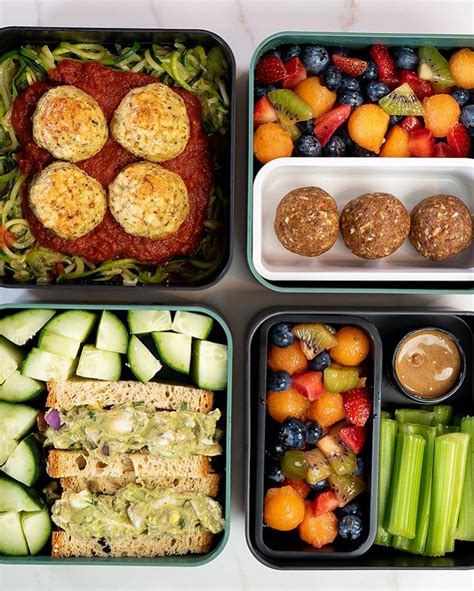
Elevate Your Meal Prep’s Visual Appeal
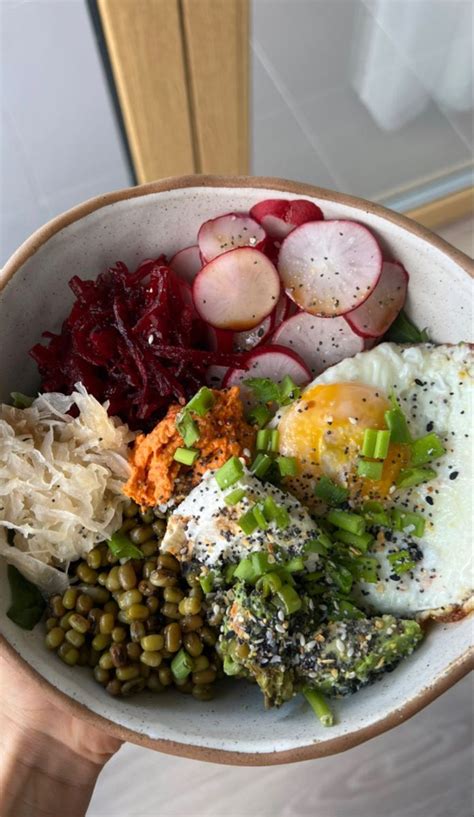
Eating is a multi-sensory experience, and visual appeal plays a crucial role in satisfaction. Bland, monochromatic meals are simply less appealing. Here’s how to make your prepped meals pop:
1. Embrace the Rainbow: Color and Variety
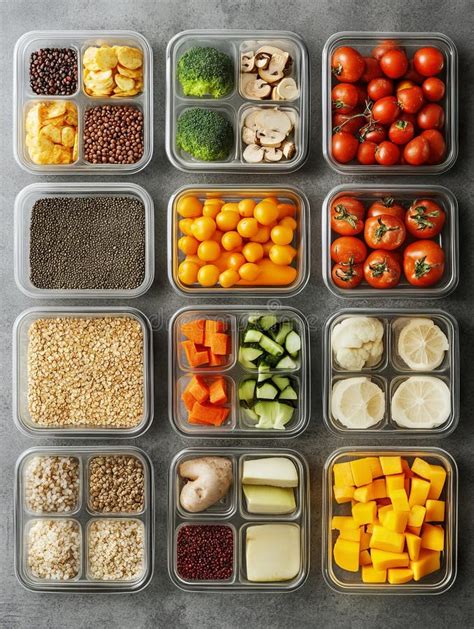
- Diverse Vegetables: Incorporate a wide array of vegetables with different colors – think vibrant bell peppers, deep green spinach, purple cabbage, orange carrots, and red tomatoes.
- Protein Power: Vary your protein sources not just for nutrition but also for visual texture. Grill chicken, bake salmon, roast chickpeas, or scramble tofu.
- Grains and Bases: Don’t stick to plain rice. Explore quinoa, farro, couscous, or even sweet potato cubes as bases to add color and texture.
2. Thoughtful Presentation and Layering
How you arrange your food in containers makes a big difference. Think about creating layers and keeping components separate until serving time to maintain texture and freshness.
- Separate Components: Keep wet ingredients (like dressings or sauces) separate from dry ones (greens, croutons) until you’re ready to eat. This prevents sogginess.
- Strategic Layering: For salads, put dressing at the bottom, then hardier vegetables, followed by grains/protein, and finally delicate greens on top.
- Garnish Power: A sprinkle of fresh herbs (cilantro, parsley), a handful of toasted seeds, or a wedge of lime can dramatically enhance visual appeal just before serving.
Smart Strategies to Slash Food Waste
Reducing food waste isn’t just good for the planet; it’s good for your wallet. A visually appealing meal is also less likely to be discarded. Combine that with smart planning, and you’re golden.
1. Plan with Precision and Inventory
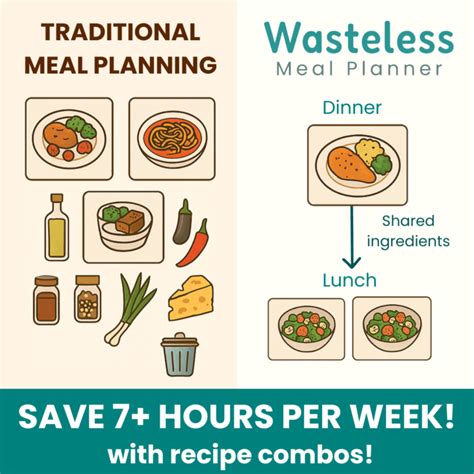
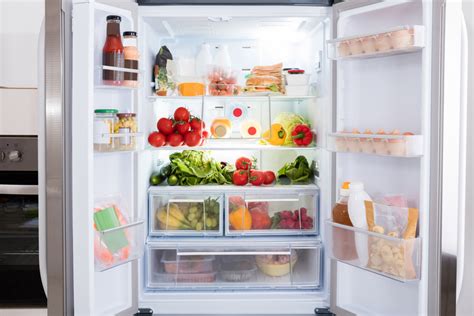
- Shop Your Fridge First: Before grocery shopping, check what ingredients you already have. Build your meal plan around using up existing produce, grains, and proteins.
- Detailed Shopping List: Stick to a list based on your meal plan to avoid impulse buys that might spoil.
- Portion Control: Prep only the amount you know you and your family will consume for the week. Over-prepping often leads to waste.
2. Smart Storage Solutions
Proper storage is crucial for extending the life of your prepped meals and individual ingredients.
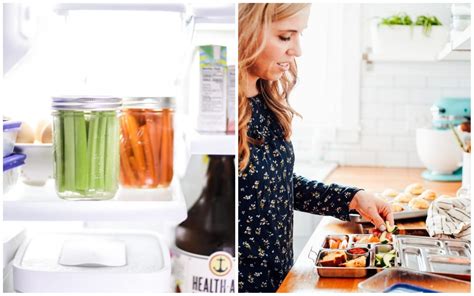
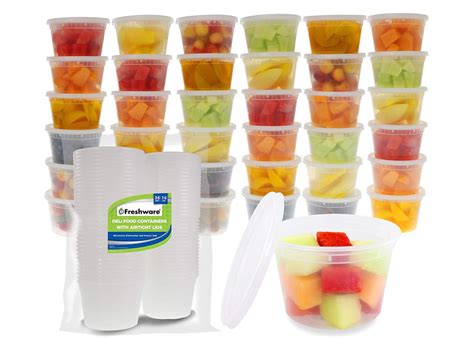
- Airtight Containers: Invest in high-quality, airtight containers (glass is often preferred for visibility and durability) to keep food fresh longer.
- Proper Refrigeration: Store foods at appropriate temperatures. Raw meats should be on the bottom shelf, cooked foods above.
- Label and Date: Clearly label containers with the meal and prep date to ensure you eat them within their optimal freshness window.
3. Repurpose and Reinvent Leftovers
Don’t let unused ingredients or meal components go to waste. Get creative!
- Broth from Scraps: Vegetable scraps (onion peels, carrot ends, herb stems) can be simmered to make flavorful vegetable broth.
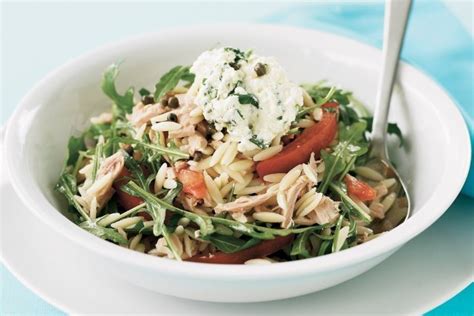
- Reinvented Components: Leftover roasted chicken can become a salad topping, soup ingredient, or part of a sandwich. Extra roasted vegetables can be blended into a sauce or soup.
- Freezing: Many prepped meals or individual components (cooked grains, sauces, some vegetables) can be frozen for later use, extending their shelf life considerably.
4. Batch Cook Components, Not Just Full Meals
Sometimes, it’s easier and more flexible to prep individual components that can be mixed and matched throughout the week. This reduces the monotony and allows for variety without extra effort.
- Cook Grains: Prepare a large batch of quinoa or brown rice.
- Roast Vegetables: Roast a medley of seasonal vegetables.
- Prep Proteins: Cook chicken breast, hard-boiled eggs, or lentils.
- Make Dressings: Whisk up a few versatile dressings or sauces.
These components can then be combined in different ways each day, keeping meals fresh and exciting while still leveraging the efficiency of batch cooking.
The Synergy of Style and Sustainability
When your meal prep looks good, you’re more likely to look forward to eating it. This inherent desire to consume what you’ve prepared directly combats food waste. By combining aesthetic appeal with meticulous planning and smart storage, you create a harmonious cycle where delicious, appealing food is consumed, not discarded.
Transforming your weekly healthy meal prep into an exciting and waste-free endeavor is a journey of mindful cooking. It requires a bit of creativity, organization, and a willingness to see food as a valuable resource. Embrace these strategies, and you’ll not only enjoy a healthier diet but also contribute to a more sustainable lifestyle, one beautiful, waste-free meal at a time.