How to make your finished recipes look as stunningly vibrant as the photos?

Unlock the Secrets to Visually Stunning Meals
Ever gazed at a food magazine or a culinary blog, admiring the impossibly vibrant and perfectly arranged dishes, only to find your own creations, while delicious, lack that same visual ‘oomph’? You’re not alone. The gap between a dish’s taste and its appearance can be frustrating, but bridging it is easier than you think. It’s not magic; it’s a combination of mindful ingredient selection, smart cooking techniques, and thoughtful presentation. This guide will walk you through the steps to elevate your home-cooked meals from tasty to truly stunning.
Start with the Freshest, Brightest Ingredients
The foundation of a vibrant dish begins long before it hits the plate. High-quality, fresh ingredients naturally possess a more intense color and better texture, which translates directly into a more appealing final product. Opt for seasonal produce, firm vegetables, and herbs that are free from wilting or blemishes. Think about the color palette you’re building – a mix of reds, greens, yellows, and oranges will inherently be more eye-catching than a monochrome plate.
Master Cooking Techniques for Color Preservation
Overcooking is the enemy of vibrancy, especially for vegetables. Here are a few techniques to keep colors bright:
- Blanching: For green vegetables like broccoli, asparagus, or green beans, a quick blanch in salted boiling water followed by an immediate plunge into ice water (shocking) stops the cooking process and locks in that vivid green hue.
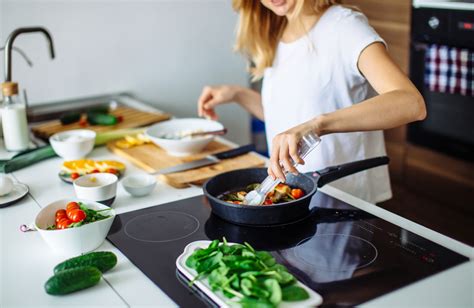
- Sautéing Quickly: Don’t crowd the pan when sautéing. Cook vegetables in smaller batches over high heat to achieve a slight caramelization without losing their natural color and crispness.
- Gentle Roasting: While roasting can deepen flavors, be careful not to over-brown colorful vegetables. A lighter roast can maintain more of their original vibrancy.
The Art of Thoughtful Plating
Plating is where your dish truly comes alive visually. Think of your plate as a canvas. Here are some principles to guide you:
- Create Height: Don’t flatten your food. Stack ingredients slightly to add dimension and make the dish more intriguing. For example, lean protein against a vegetable mound.
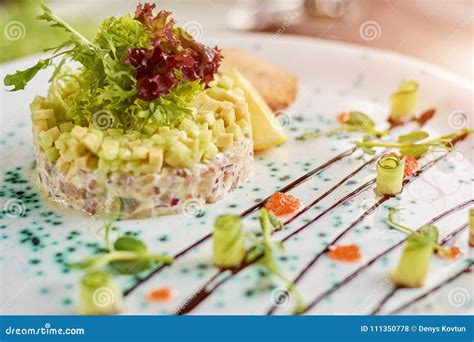
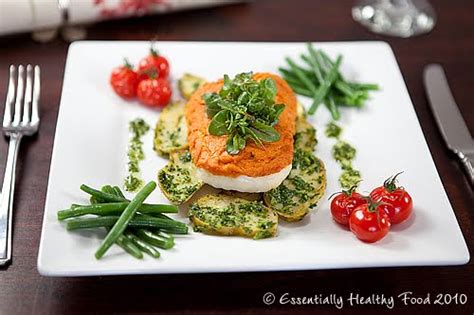
- Use Negative Space: Don’t overcrowd the plate. Leaving some white space around the food helps it stand out and gives a sense of elegance.
- Focal Point: Decide what the star of your dish is and build around it. Place it in a prominent position, often slightly off-center for a more dynamic look.
- Clean Edges: Use a damp cloth or paper towel to wipe any drips or smudges from the rim of the plate before serving. A clean plate signals professionalism and care.
Garnish with Purpose and Precision
Garnishes aren’t just for show; they can add texture, flavor, and a final burst of color. But choose wisely and apply sparingly:
- Fresh Herbs: A sprinkle of finely chopped fresh parsley, cilantro, chives, or a sprig of rosemary can add a pop of green and aromatic freshness.
- Citrus Zest: A grating of lemon or lime zest can brighten a dish both visually and aromatically.
- Spices: A light dusting of paprika, chili powder, or freshly ground black pepper can add subtle color contrast.
- Seeds & Nuts: Toasted sesame seeds, chopped pistachios, or almonds add texture and visual interest.
- Edible Flowers: For special occasions, a few strategically placed edible flowers can elevate elegance.
Ensure your garnishes are relevant to the dish’s flavor profile and enhance, rather than detract from, the main ingredients.

Add Contrasting Textures and Sauces
Visual appeal isn’t just about color; texture plays a huge role. Incorporate elements with different textures – something creamy, something crunchy, something smooth. For example, a purée with crispy fried onions, or a soft fish with a vibrant salsa.
Sauces can be a powerful tool for visual impact. Drizzle them artfully, rather than simply spooning them over. Use a squeeze bottle for precise lines, or make a ‘swoosh’ with the back of a spoon. A contrasting colored sauce, like a red pepper coulis on a white fish, can be incredibly striking.
Final Touches and Practice
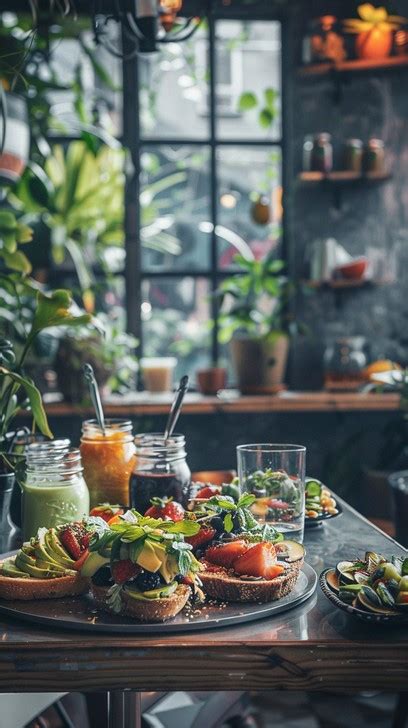
Remember that good lighting also makes a huge difference in how your food looks, even if you’re not photographing it. Natural daylight is often best. Lastly, practice makes perfect. The more you experiment with plating and garnishing, the more intuitive it will become. Don’t be afraid to try new arrangements or color combinations.
By focusing on fresh ingredients, smart cooking, careful plating, and purposeful garnishing, you can consistently create meals that not only taste incredible but also look as stunningly vibrant as any professional food photograph. Get ready to impress your family and friends with your culinary artistry!