How to meal prep vibrant, plant-based meals that stay fresh & photogenic all week?

Embrace the Power of Plant-Based Prep
Meal prepping is a game-changer for anyone seeking convenience, health, and savings. For plant-based eaters, it’s an opportunity to ensure a week full of nutrient-dense, delicious, and aesthetically pleasing meals. But how do you keep those vibrant veggies from wilting and flavors from fading? The secret lies in strategic planning, smart cooking techniques, and careful storage. Let’s dive into making your plant-based meal prep not just practical, but picture-perfect for every day of the week.

1. Strategic Ingredient Selection for Longevity
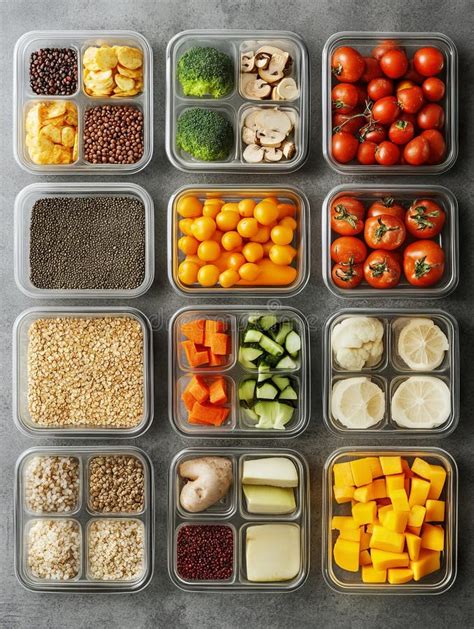
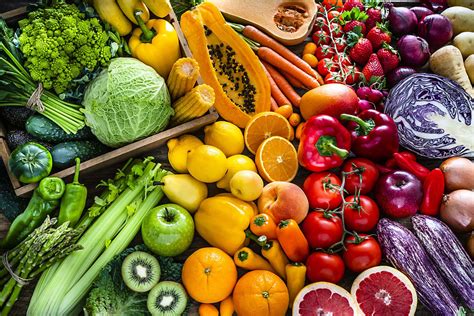
The freshness of your prepped meals begins with your grocery cart. Opt for produce that naturally holds up well over several days. Hearty vegetables like bell peppers, carrots, broccoli, cauliflower, cabbage, and root vegetables (sweet potatoes, parsnips) are excellent choices. Leafy greens can be tricky; opt for sturdier varieties like kale, collard greens, or romaine hearts, and store them separately. When it comes to grains, quinoa, farro, and brown rice are fantastic foundations, while sturdy proteins like baked tofu, tempeh, lentils, and chickpeas will maintain their texture and flavor.
- Hardy Vegetables: Bell peppers, carrots, broccoli, sweet potatoes, cabbage.
- Sturdy Greens: Kale, collards, romaine (store dry and separate).
- Reliable Grains: Quinoa, brown rice, farro.
- Durable Proteins: Tofu, tempeh, lentils, chickpeas.
2. Master Cooking & Cooling Techniques
How you cook your ingredients significantly impacts their shelf life and texture. For vegetables, aim for slightly al dente rather than overcooked mush. Roasting, grilling, or steaming lightly can preserve their crunch and vibrant color. Allow all cooked components to cool completely before portioning and storing. Storing warm food traps condensation, creating a breeding ground for bacteria and leading to soggy results. Use a cooling rack or spread items out on a baking sheet to speed up the process.
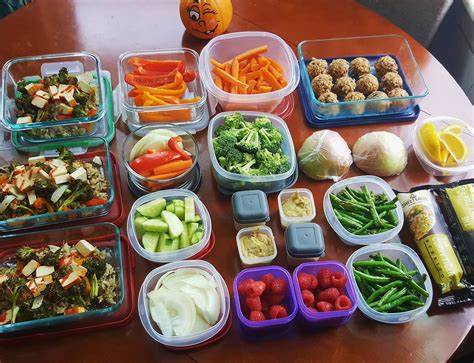
Consider preparing different elements separately. For instance, keep cooked grains, roasted vegetables, and protein components in individual containers. This modular approach allows for endless mix-and-match possibilities throughout the week and prevents flavors from melding prematurely or textures from deteriorating.
3. The Art of Airtight Storage & Layering
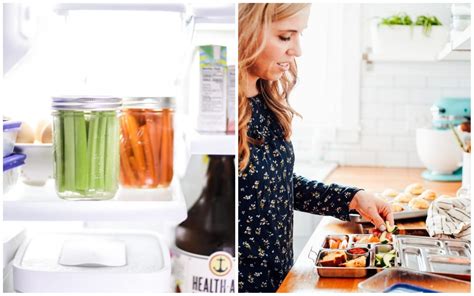
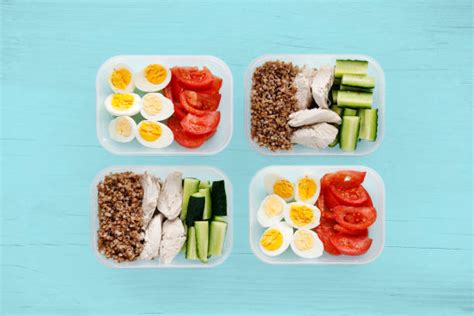
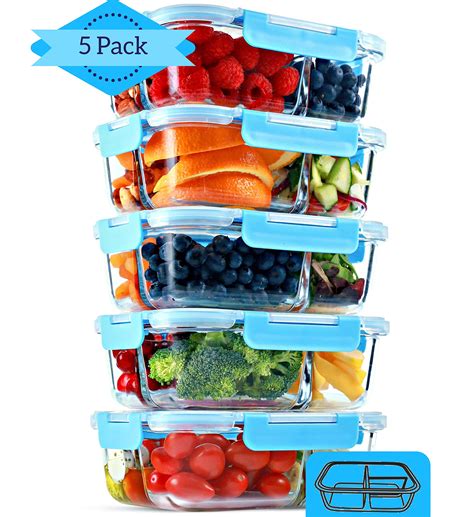
Proper storage is paramount for maintaining freshness and preventing spoilage. Invest in high-quality, airtight containers – glass containers are excellent as they don’t stain, retain odors, or react with food, and are microwave-safe. When packing meals, think in layers:
- Bottom Layer: Hearty grains or dense proteins.
- Middle Layer: Cooked vegetables or beans.
- Top Layer: More delicate greens, fresh herbs, or garnishes (add these closer to mealtime if possible).
Always keep dressings, sauces, and fresh garnishes (like avocado, nuts, or seeds) separate until you’re ready to eat. This prevents greens from becoming soggy and textures from softening.
4. Elevate Aesthetics: Keep it Photogenic
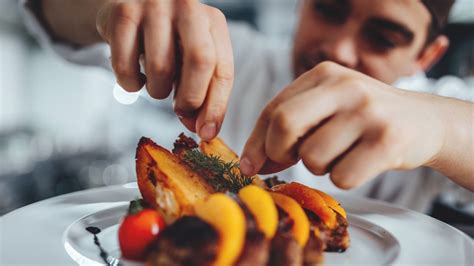
A feast for the eyes is a feast for the soul! To keep your plant-based meals looking vibrant and inviting, even on day five, focus on color and texture. Utilize fresh herbs like cilantro, parsley, or basil as a last-minute garnish – they add a burst of color and freshness. A sprinkle of sesame seeds, a squeeze of lemon, or a dash of chili flakes can also elevate the visual appeal just before serving. Think about contrasting colors when assembling your plate or bowl; a mix of red bell peppers, green spinach, and orange sweet potatoes always looks appealing.
When prepping, consider cutting vegetables into appealing shapes and sizes. Uniform cuts not only cook more evenly but also look more professional and appetizing. Reserve a few fresh elements to add daily, such as a handful of sprouts, cherry tomatoes, or a slice of lime, to give your meal a “just-made” look.
5. Reheating and Revitalization Tips
Reheating can sometimes diminish texture and flavor. For best results, use a microwave sparingly. Often, a quick sauté in a pan with a splash of water or vegetable broth can bring life back to grains and veggies without overcooking. Salads and raw components are best enjoyed at room temperature or slightly chilled. If your meal includes separate dressing, add it just before eating.
Don’t be afraid to experiment with adding a fresh element at the point of eating. A handful of fresh spinach stirred into warm quinoa, a dollop of fresh salsa, or a drizzle of a vibrant dressing can transform a prepped meal into a culinary delight that tastes and looks freshly prepared.
Conclusion
Plant-based meal prepping doesn’t have to be a dull routine of bland, soggy food. By focusing on smart ingredient choices, careful cooking, proper storage, and a keen eye for aesthetics, you can create a week’s worth of vibrant, fresh, and truly photogenic meals. Embrace the process, get creative with your combinations, and enjoy the convenience of healthy, delicious plant-based food at your fingertips, any day of the week.