How to optimize Visual Bites for maximum foodie engagement and recipe conversions?
The Irresistible Power of Visual Bites in the Digital Age
In today’s visually saturated digital landscape, a beautifully presented dish isn’t just an appetizer for the stomach; it’s a ‘visual bite’ that can instantly captivate a foodie’s imagination. For creators, bloggers, and brands, mastering the art of optimizing these visual bites is paramount for driving engagement, building community, and ultimately, converting curious viewers into eager recipe followers. It’s about more than just taking a pretty picture; it’s about crafting a narrative, evoking emotion, and inspiring action.
Understanding Your Foodie Audience: What Resonates?
Before you even pick up your camera, understand who you’re talking to. Foodies are drawn to authenticity, innovation, and deliciousness. They want to see food that looks attainable yet aspirational. Research current trends, observe what types of visuals perform best on your chosen platforms, and listen to feedback from your community. Do they prefer rustic charm or polished elegance? Bright and airy or dark and moody? Knowing your audience’s visual palate is the first step toward creating content they’ll crave.
Mastering the Art of Food Photography & Styling
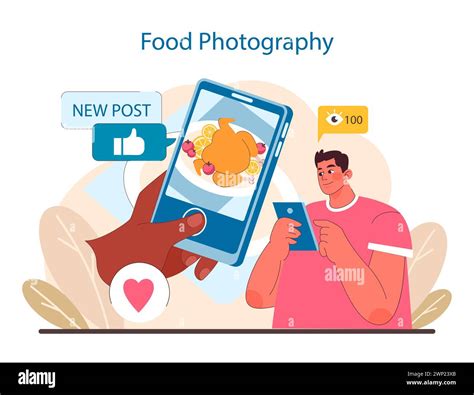
High-quality visuals are non-negotiable. Invest time in learning fundamental photography skills and food styling techniques. Even smartphone cameras can produce stunning results with the right approach.
Lighting is Everything
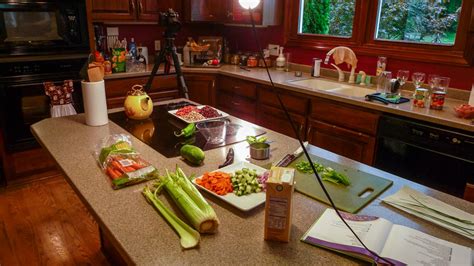
Natural light is often your best friend. Position your food near a window, using diffusers (like a sheer curtain) to soften harsh light and reflectors (like a white board) to bounce light back into the shadows. Avoid direct overhead lighting, which can create unflattering shadows and dull colors.
Composition and Angles
Experiment with different angles. Overhead (flat lay) shots work well for showcasing ingredients or the overall spread. Eye-level shots are great for showing texture and dimension, while 45-degree angles mimic how one would view a plate at the table. Use the rule of thirds, leading lines, and negative space to create visually appealing compositions.
Props and Backgrounds
Choose props that complement, rather than distract from, the food. Simple, understated plates, cutlery, and linens often work best. Backgrounds should be clean and relevant—think rustic wood, clean marble, or a simple solid color. Ensure colors in your props don’t clash with or overwhelm the dish itself.
![Free Food 4k Wallpaper Downloads, [100+] Food 4k Wallpapers for FREE ...](/images/aHR0cHM6Ly90czMubW0uYmluZy5uZXQvdGg/aWQ9T0lQLnBhWm9rUnI2SEZkWFpRb0lBS21EamdIYUVLJnBpZD0xNS4x.webp)
Crafting Engaging Visual Stories
A single beautiful shot is powerful, but a series of visuals telling a story is even more so. Think about the entire journey from raw ingredients to the finished plate.
Show the Process (Teasers & Reels)
Short video clips or carousel posts showing key steps of a recipe can be highly engaging. A quick pour, a sprinkle of herbs, or a sizzle shot adds dynamic appeal and gives viewers a glimpse into the making of the dish, building anticipation.
Before & After/Transformations
Highlighting the transformation of ingredients into a delicious meal can be incredibly satisfying for viewers. This illustrates the effort and reward, making the recipe seem more approachable and exciting.
Strategic Distribution and Call to Action for Conversions
Even the most stunning visual bite won’t convert if it’s not seen by the right people and doesn’t lead them somewhere.
Platform-Specific Optimization
Tailor your visuals and captions to each platform. Instagram thrives on high-quality photos and short videos, often with strong calls to action in the caption or bio link. Pinterest is a discovery engine, so vertical pins with clear recipe titles and appealing visuals are key. TikTok and YouTube prioritize dynamic video content.
Clear Conversion Paths
Every visual bite should have a purpose. Do you want them to visit your blog for the full recipe? Subscribe to your newsletter? Follow your profile? Make your call to action (CTA) explicit and easy to follow. Use link-in-bio tools, swipe-up links (if applicable), or direct links in blog posts to guide users seamlessly to the recipe.

Measuring and Adapting for Continuous Growth
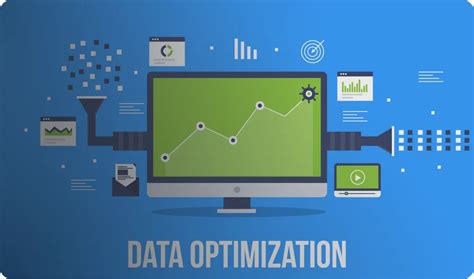
The work doesn’t stop once you’ve posted. Analyze your performance metrics: engagement rates (likes, comments, shares, saves), reach, and most importantly, conversion rates to your recipes. Which types of visuals, topics, and CTAs lead to the most clicks and recipe views? Use these insights to refine your strategy and continuously improve your visual bites.
Conclusion
Optimizing visual bites for maximum foodie engagement and recipe conversions is an ongoing process that combines artistry, strategy, and analytical thinking. By understanding your audience, perfecting your visual presentation, telling compelling stories, and strategically guiding viewers to your recipes, you can transform your food content into an irresistible force that not only delights but also delivers tangible results.