How to optimize Visual Bites for maximum foodie engagement, focusing on lighting and plating?
The Irresistible Allure of Visual Bites
In today’s visually-driven digital landscape, especially within the culinary world, a dish isn’t truly appreciated until it’s seen. Visual Bites – compelling food imagery – are the cornerstone of foodie engagement, dictating whether a scroll stops or continues. To truly capture attention and entice appetites, understanding the nuances of how food is presented and photographed is paramount. This article delves into two critical pillars: lighting and plating, offering actionable insights to transform your food photos into irresistible magnets for engagement.
Mastering Lighting: Illuminating Your Culinary Creations
Lighting is the single most powerful tool in food photography. It can make a dish look vibrant and delicious or dull and unappetizing. The goal is to highlight textures, colors, and freshness, making the food pop off the screen.
Embrace Natural Light
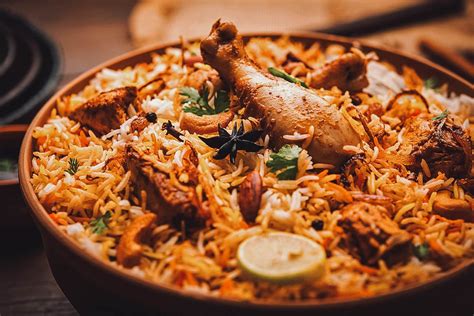
Whenever possible, utilize natural light. Position your setup near a window, but avoid direct sunlight, which can create harsh shadows and overexposed areas. Diffused natural light – often found on cloudy days or by using sheer curtains – is ideal. It provides a soft, even glow that enhances food’s natural beauty without creating distracting glare.
Understanding Artificial Light
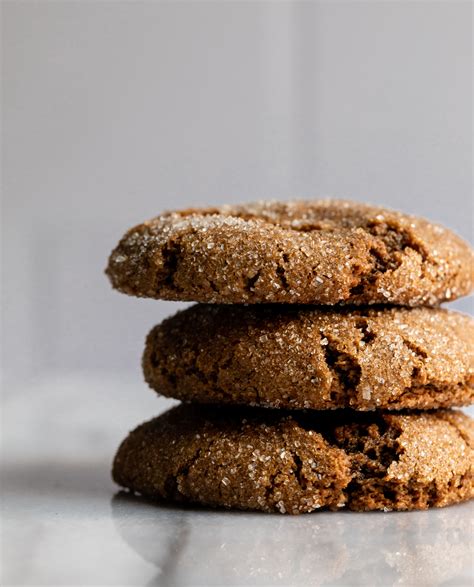
When natural light isn’t an option, artificial light sources like LED panels or studio strobes can be your best friend. The key is to mimic natural light as much as possible. Use softboxes or diffusers to soften the light and avoid harsh shadows. Experiment with light placement: side lighting often works wonders, highlighting textures and adding depth, while backlighting can create beautiful rim light and a sense of drama, especially for drinks or translucent foods.
Reflectors and Fill Lights
Even with good primary lighting, you might encounter shadows that are too dark. This is where reflectors come in. A simple white foam board or a professional reflector can bounce light back into the shadowed areas, softening them and revealing more detail. Conversely, a black card can be used to deepen shadows or absorb unwanted reflections, adding contrast and drama where needed.
The Art of Plating: Making Food a Masterpiece
Long before the camera even comes out, the foundation of a stunning visual bite is laid through thoughtful plating. Plating isn’t just about putting food on a plate; it’s about telling a story, creating balance, and inviting the viewer to indulge.
Color and Contrast
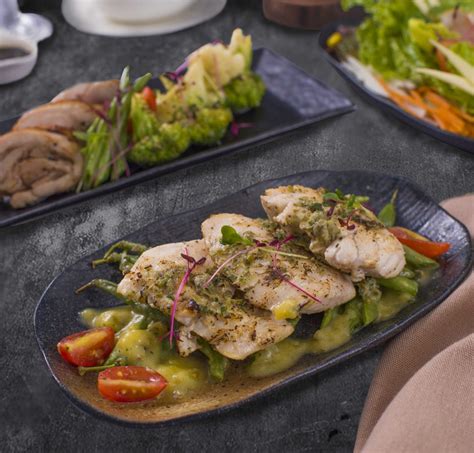
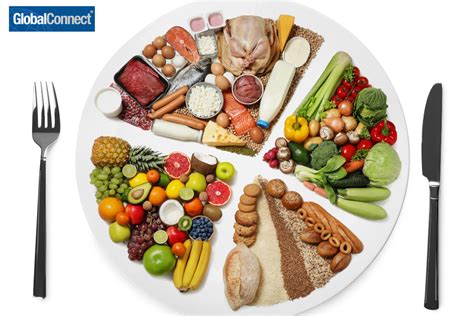
Think about the color palette of your dish. Utilize contrasting colors to make elements stand out – a vibrant green herb against a rich red sauce, or a light cream sauce on a dark background. A variety of colors makes the dish more visually appealing and appetizing. Don’t be afraid to add a small pop of contrasting color through a garnish.
Texture and Height
A flat, uniform dish rarely excites. Introduce varying textures to add interest – a crispy element next to something soft, or a smooth sauce alongside a crunchy topping. Height is equally important; stack ingredients thoughtfully to create visual interest and dimension. A well-placed quenelle, a stack of vegetables, or a carefully leaned protein can elevate the dish significantly.
Composition and Negative Space
Apply principles of good composition. The “Rule of Thirds” is a classic for a reason – placing key elements along the intersecting lines or at the points of intersection creates a more dynamic and pleasing image. Don’t overcrowd the plate; negative space (empty areas) allows the eye to rest and helps the main subject stand out. Consider the angle from which the dish will be photographed and plate accordingly.
![Free Food 4k Wallpaper Downloads, [100+] Food 4k Wallpapers for FREE ...](/images/aHR0cHM6Ly90czMubW0uYmluZy5uZXQvdGg/aWQ9T0lQLnBhWm9rUnI2SEZkWFpRb0lBS21EamdIYUVLJnBpZD0xNS4x.webp)
Garnishes and Props
Garnishes should enhance, not overpower, the dish. Use fresh herbs, edible flowers, spices, or a drizzle of sauce to add a final touch of color and sophistication. When it comes to props, choose wisely. A rustic wooden board, elegant cutlery, a textured napkin, or a complementary drink can set the mood and provide context without distracting from the food itself. Ensure props are relevant and don’t compete with the main subject.
Conclusion: The Recipe for Engagement
Optimizing your Visual Bites for maximum foodie engagement is a blend of technical skill and artistic vision. By mastering the nuances of lighting – understanding natural versus artificial, and utilizing diffusers and reflectors – you can illuminate your culinary creations in their best light. Simultaneously, by embracing the art of plating – focusing on color, texture, height, and thoughtful composition – you transform food into an edible work of art. Combine these elements, and your visual bites will not only stop the scroll but also ignite appetites and foster genuine connection with your foodie audience, turning casual viewers into loyal followers.