How to optimize Visual Bites visuals for maximum foodie recipe clicks?
The Irresistible Pull of a Great Food Photo
In the vibrant, fast-paced world of Visual Bites, where culinary creations compete for attention, a stunning visual isn’t just an accessory—it’s the primary driver for engagement. Foodies scroll quickly, making split-second decisions based purely on visual appeal. To maximize recipe clicks, your visuals must not only be beautiful but strategically optimized to stop the scroll and entice exploration. This guide will walk you through the essential elements to transform your food photos into click-generating machines.
Mastering the Art of Lighting
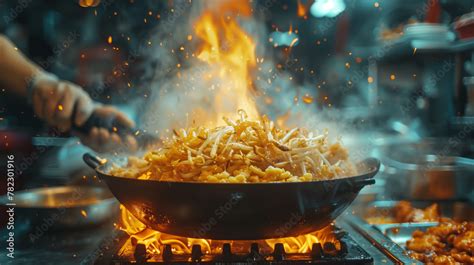
Light is perhaps the single most crucial ingredient in food photography. Natural light is your best friend; it’s soft, flattering, and brings out the true colors and textures of your dish. Position your food near a window, ensuring the light comes from the side or slightly behind your subject. Avoid harsh direct sunlight, which creates unflattering shadows and blown-out highlights. If natural light isn’t an option, invest in a softbox or diffused artificial light to mimic its gentle glow. Proper lighting makes food look fresh, vibrant, and utterly delectable.
Composition and Styling for Visual Impact
Framing Your Feast
Composition dictates how your audience views your dish. Employ the rule of thirds, placing key elements off-center to create a more dynamic and interesting image. Experiment with different angles: overhead shots are fantastic for flat lays and beautifully arranged dishes, while a 45-degree angle often captures the volume and texture of a dish best. Don’t be afraid of close-ups; they can highlight a particular ingredient or texture, making the food feel more intimate and inviting.
Props and Backgrounds that Tell a Story
Thoughtful styling can elevate a simple dish into a captivating scene. Use props sparingly and purposefully—think rustic wooden boards, elegant cutlery, or a subtly textured linen napkin. These elements should complement, not overshadow, the food. Choose neutral or muted backgrounds that won’t distract, allowing your dish to be the undisputed star. A sprinkle of fresh herbs, a drizzle of sauce, or a perfectly placed crumb can add an irresistible touch of authenticity and deliciousness.
Color Psychology and Texture Appeal
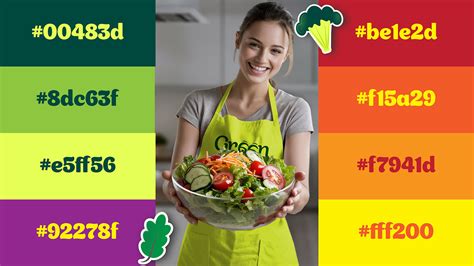
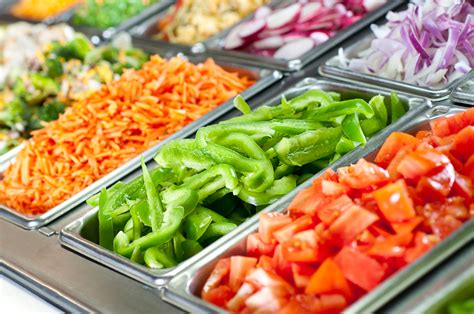
Colors evoke emotions and cravings. Bright, contrasting colors—like the vibrant red of a tomato against the green of basil—are visually exciting and suggest freshness. Pay attention to how different colors interact within your frame. Equally important is showcasing texture. A crispy crust, a creamy sauce, or the flaky layers of a pastry are all visual cues that communicate the sensory experience of eating the dish. Use shallow depth of field to draw attention to specific textures, making them almost tangible through the screen.
The Power of Smart Editing (Not Over-Processing)
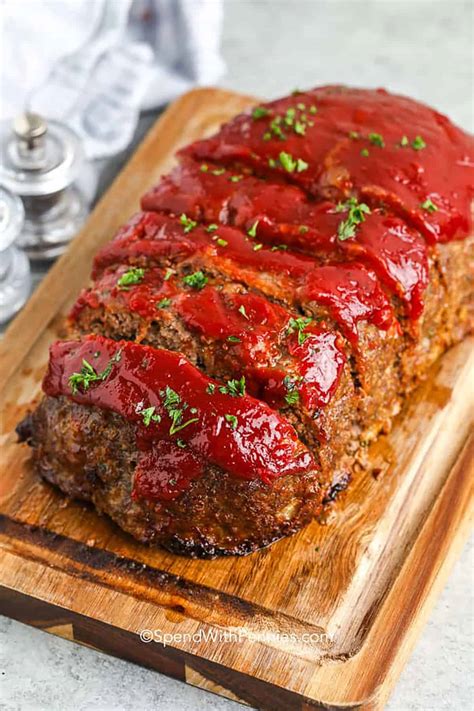
Editing is where you refine your image, not redefine it. Minor adjustments to brightness, contrast, and white balance can significantly enhance your photo’s appeal. Boost saturation slightly to make colors pop, but be careful not to overdo it, as artificial-looking food is a major turn-off. Sharpening can make details crisp, but excessive use can introduce graininess. The goal is to enhance the natural beauty of your food, making it look as good as it would in person, not creating an unrealistic, filtered fantasy.
Crafting Authenticity and Storytelling
Beyond technical perfection, the most successful food visuals tell a story. Show the process, the steam rising from a hot dish, or a hand reaching for a piece. These elements add a human touch and make the food more relatable and desirable. Authenticity resonates deeply; users want to see real food that they can recreate, not an unattainable culinary masterpiece. Let your passion for food shine through your lens.
Understanding Visual Bites Specifics
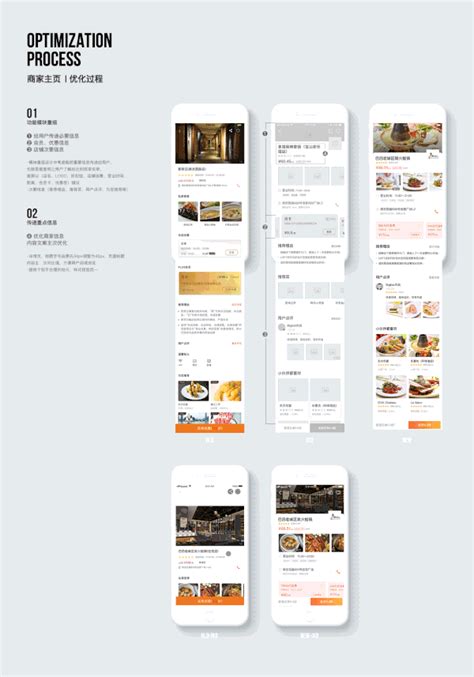
While general photography principles apply, understanding the Visual Bites platform can give you an edge. Pay attention to popular trends within the community: what kinds of dishes and visual styles are currently gaining traction? Optimize for mobile viewing, as most users will be scrolling on their phones. Ensure your thumbnails are clear and enticing. Consistent branding across your visuals, even subtle, can also help build recognition and trust, encouraging repeat clicks.
Conclusion: Visuals as Your Recipe’s First Bite
In the competitive realm of Visual Bites, your photos are the silent ambassadors of your recipes. By meticulously optimizing your lighting, composition, styling, and editing, and by embracing authenticity and storytelling, you transform mere images into powerful calls to action. Every pixel should scream delicious, every detail should whisper invitation. Experiment, analyze what resonates with your audience, and consistently refine your visual approach. The result will be a noticeable surge in recipe clicks, bringing your culinary creations the attention they truly deserve.