How to organize a small foodie kitchen for efficient prep & beautiful plating workflow?

A small kitchen doesn’t have to mean cramped culinary dreams. For the passionate home chef, a compact space presents an exciting challenge: how to maximize every inch for both efficient food preparation and the artistic presentation of dishes. With a thoughtful approach to organization, even the most modest kitchen can become a high-functioning powerhouse where ingredients flow seamlessly and plating becomes a joy, not a juggle.
The Foundation: Declutter & Purge Ruthlessly
Before you can organize, you must first declutter. This is perhaps the most crucial step in any small space transformation. Go through every drawer, cabinet, and shelf with a critical eye. Ask yourself: When was the last time I used this? Is it truly essential for my cooking style? Do I have duplicates? Be honest, and be brave.
Many small kitchens are burdened by rarely used gadgets, outdated pantry items, or excessive dishware. Embrace a ‘less is more’ philosophy, focusing on multi-functional tools and high-quality essentials that you genuinely love and use frequently. Don’t be afraid to part with items that no longer serve your culinary ambitions.
Maximizing Space with Smart Storage Solutions
Verticality is Your Friend
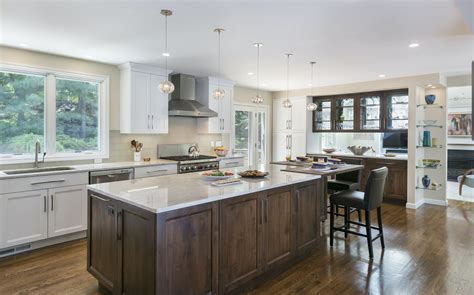
When horizontal counter space is scarce, look up! Wall-mounted shelving, pegboards, and magnetic knife strips are invaluable for utilizing vertical real estate. Hang frequently used pots and pans, store spices on a tiered rack, or keep your most-used utensils within arm’s reach but off the counter. Consider over-the-door organizers for pantry items or cleaning supplies.
Don’t overlook the insides of cabinet doors – they’re perfect for slim spice racks, aluminum foil dispensers, or even small cutting boards. Floating shelves can add both storage and a touch of aesthetic appeal, allowing you to display beautiful dishware or cookbooks.
Smart Drawer & Cabinet Solutions
Inside your cabinets and drawers, internal organization is key. Drawer dividers, stackable bins, and pull-out shelves can dramatically increase usable space and prevent clutter. Group similar items together – all baking supplies in one area, all oils and vinegars in another. Invest in expandable shelves for pantries to create layers of storage.
For corner cabinets, lazy Susans or specialized pull-out units can make otherwise awkward spaces incredibly accessible. Think about storing bulkier, less-used items in the deepest recesses, and everyday essentials closer to the front for easy retrieval. Clear containers are excellent for seeing what you have at a glance.

Crafting an Efficient Workflow Zone
The Prep Triangle (or Line)
Visualize your most common cooking tasks: gathering ingredients, washing, chopping, cooking, and plating. Ideally, these steps should flow naturally from one to the next without excessive movement. In a small kitchen, you might not have a traditional triangle, but you can create an efficient ‘workflow line’ or ‘zones.’
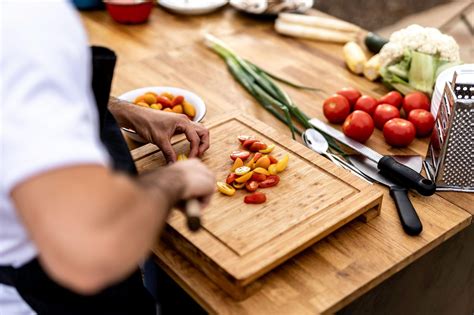
Designate distinct zones: a ‘storage zone’ near the fridge and pantry, a ‘wash zone’ around the sink, a ‘prep zone’ on your primary counter space (ideally between the sink and stove), and a ‘cooking zone’ around the stovetop and oven. Keep the tools needed for each step within easy reach of that zone to minimize steps and maintain momentum.
Dedicated Plating Station
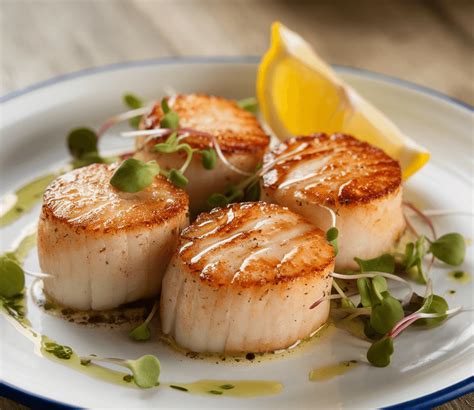
For the foodie who values presentation, a dedicated (even if small) plating station is a game-changer. This could be a clear section of your counter, a small movable cart, or even a designated corner of a dining table used solely for the final touches. Ensure this area is well-lit and free from clutter.
Keep your most-used plating tools here: squeeze bottles for sauces, plating tweezers, small spatulas, and a clean towel for wiping plate edges. Access to your favorite serving dishes and garnishes should be swift. A tidy plating station means less stress and more creative freedom when it’s time to make your culinary creations shine.

Tools of the Trade: Streamlining Utensils & Gadgets
Even if you’re a serious cook, not every kitchen needs a specialty tool for every single task. Prioritize multi-functional tools, like a good chef’s knife over a dozen different choppers, or a sturdy immersion blender that can also whisk. When space is limited, every item must earn its place.
Store frequently used utensils in a crock next to your stove, or hang them on a rail. Less frequently used gadgets can be stored in deeper cabinets or high shelves. Invest in quality over quantity, and ensure your tools are well-maintained and sharpened to make prep work faster and safer.

Aesthetics & Inspiration for Plating
Even the most functional kitchen benefits from a touch of beauty. Organize your plateware not just for efficiency, but also for aesthetic appeal. Stack matching plates neatly, and have your favorite serving bowls easily accessible. Small details like fresh herbs growing on a windowsill or a beautiful cookbook on display can inspire creativity.
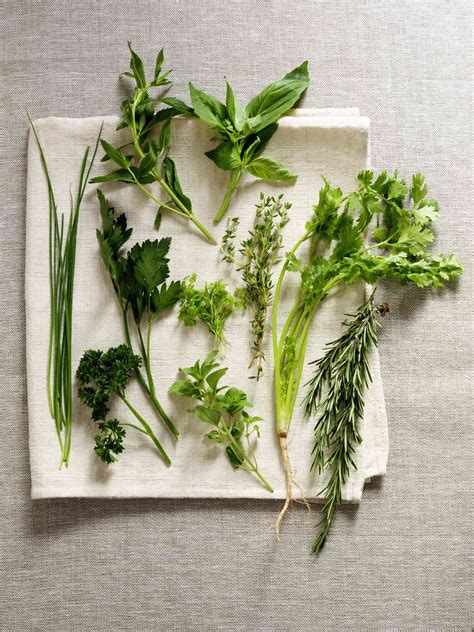
For plating specifically, ensure your garnishes (fresh herbs, edible flowers, spices) are easily accessible and organized. Consider a small tray or bin for all your plating-specific items, making it easy to pull out and put away. A clean, uncluttered workspace not only boosts efficiency but also your mood, making the entire cooking and plating process more enjoyable.

Conclusion: Your Small Kitchen, Big Flavors
Organizing a small foodie kitchen is an ongoing process of refinement and adaptation. By systematically decluttering, implementing smart storage solutions, designing an efficient workflow, and thoughtfully curating your tools, you can transform a compact space into a culinary haven. A well-organized kitchen empowers you to focus on the art of cooking and the joy of creating beautifully plated dishes, proving that big flavors can indeed come from the smallest of kitchens.
Embrace the challenge, find creative solutions, and let your small kitchen be a testament to efficient design and delicious possibilities!