How to perfectly adapt recipes for seasonal, local produce?
Embrace the Bounty: Why Adapt Recipes?
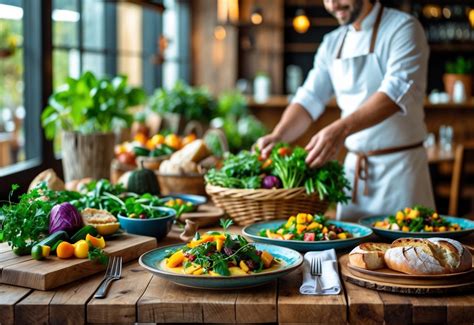
Cooking with seasonal and local produce isn’t just a trend; it’s a way to enhance flavor, support local economies, and reduce your environmental footprint. Supermarket shelves offer a year-round kaleidoscope of ingredients, but the true magic happens when you connect with what nature provides in your immediate vicinity. Adapting recipes allows you to capitalize on peak freshness, vibrant taste, and often, better nutritional value. It transforms a fixed set of instructions into a flexible framework, encouraging creativity and a deeper connection to your food.
This guide will equip you with the knowledge and confidence to seamlessly swap ingredients in your favorite dishes, ensuring your meals are always bursting with the best that the season has to offer.

Understanding Your Local & Seasonal Landscape
The first step to perfect adaptation is knowing what’s available. Research what grows best in your region during specific times of the year. This information is readily available through local agricultural extension offices, farmers’ market websites, or even a quick online search for “[Your State/Region] seasonal produce guide.”
- Farmers’ Markets: These are your best friends. Talk to farmers; they’re a wealth of knowledge about their produce, how it’s grown, and often, how best to prepare it.
- Community Supported Agriculture (CSAs): Subscribing to a CSA means you get a weekly box of whatever is harvested, forcing you to get creative with varying ingredients.
- Backyard Gardens: If you have one, you know exactly what’s freshest!
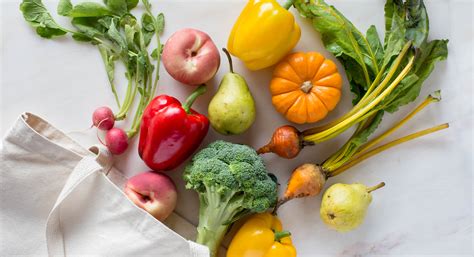
Familiarize yourself with the typical harvest times for fruits, vegetables, and even herbs. For instance, in many temperate climates, spring brings asparagus and strawberries, summer explodes with tomatoes and corn, autumn offers squash and apples, and winter features hardy greens and root vegetables.
The Art of Substitution: Core Principles
Successful substitution isn’t about random swapping; it’s about understanding the role an ingredient plays in a dish. Consider these key aspects:
- Texture: Is it crunchy, soft, fibrous, starchy, watery? Replace like with like where possible. For example, firm zucchini can replace cucumber in a salad, or sweet potatoes can substitute regular potatoes in a roast.
- Flavor Profile: Is it sweet, savory, acidic, bitter, earthy, pungent? While you might want to introduce new flavors, try to maintain a similar balance. If a recipe calls for a sweet element, replace it with another sweet seasonal item (e.g., peaches for mangoes).
- Color: Sometimes, color is important for visual appeal. Red bell peppers for roasted red tomatoes, or green beans for asparagus.
- Cooking Method: Does the original ingredient need to be roasted, sautéed, boiled, or eaten raw? Choose a substitute that can withstand or thrive in the same cooking environment.
Practical Substitution Examples
Vegetables
- Leafy Greens: If a recipe calls for spinach, but kale is abundant, swap them! Remember kale might need a longer cooking time or a good massage if eaten raw. Arugula can replace watercress or vice versa.
- Root Vegetables: Carrots, parsnips, turnips, and potatoes are often interchangeable in stews, roasts, or mashes. Adjust cooking times based on density.
- Cruciferous Vegetables: Broccoli, cauliflower, Brussels sprouts, and cabbage can often stand in for each other, especially when roasted or sautéed.
- Squash: Summer squashes (zucchini, yellow squash) are soft and quick-cooking. Winter squashes (butternut, acorn, pumpkin) are denser and sweeter, requiring longer cooking. Don’t swap these indiscriminately!
Fruits
- Berries: Most berries (strawberries, blueberries, raspberries) are excellent substitutes for each other in pies, muffins, or smoothies.
- Stone Fruits: Peaches, plums, nectarines, and apricots can often be swapped in desserts, salads, or savory dishes with pork or chicken.
Embracing Flexibility and Experimentation
Don’t be afraid to deviate slightly from the original recipe. Think of the recipe as a guide, not a rigid law. Start with small substitutions and taste as you go. For example, if a pasta dish calls for sun-dried tomatoes, but fresh, ripe local tomatoes are in season, use those and perhaps roast them lightly to concentrate their flavor. Instead of frozen peas, add fresh snap peas or fava beans.
Consider how different seasonings and herbs can complement your chosen substitutes. A dash of lemon zest can brighten a dish, while fresh rosemary can add an earthy depth. The beauty of seasonal cooking is that the ingredients themselves often need less embellishment because their flavor is at its peak.

Conclusion: A Culinary Journey
Adapting recipes for seasonal, local produce is more than just cooking; it’s a culinary journey that connects you to your environment, supports your community, and elevates your meals. By understanding seasonality, applying basic substitution principles, and embracing a spirit of experimentation, you’ll discover a world of vibrant flavors and fresh possibilities. Each season brings new ingredients, new challenges, and new opportunities to create delicious, wholesome dishes that truly reflect the bounty around you. So, head to your local market, pick out what looks best, and let your creativity flourish in the kitchen!