How to perfectly slice and dice vegetables like a pro for stunning visuals?
In the world of culinary arts, the visual appeal of a dish is often as crucial as its taste. Perfectly sliced and diced vegetables not only enhance presentation, making your meals look professionally prepared, but also contribute to uniform cooking and improved texture. Moving beyond haphazard chopping to precise cuts is a skill that elevates home cooking to a gourmet experience. This guide will walk you through the fundamental techniques, essential tools, and pro tips to achieve stunning vegetable preparations every time.
The Foundation: Tools and Safety
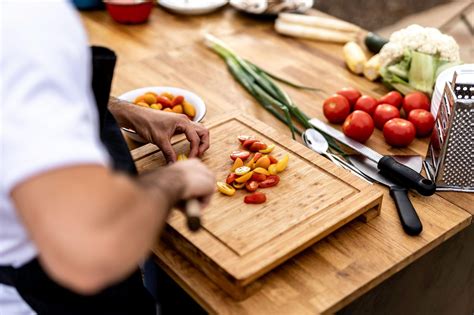
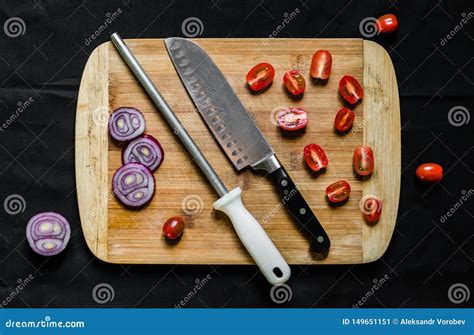
Before you even begin cutting, ensure you have the right equipment. A sharp chef’s knife (8-10 inches) is paramount; a dull knife is far more dangerous and inefficient. Invest in a good quality knife and a sharpening steel or stone to maintain its edge. Equally important is a stable cutting board, preferably made of wood or composite material, placed on a damp cloth to prevent slipping.
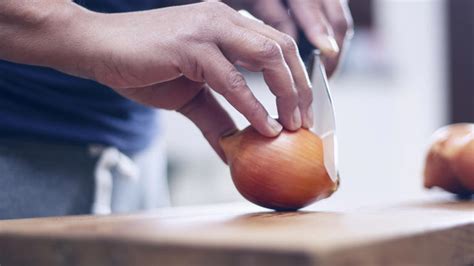
Safety is non-negotiable. Always maintain a firm, stable grip on your knife. Your non-dominant hand should form a “claw” shape, tucking your fingertips in and using your knuckles as a guide for the blade. This protects your fingers from accidental cuts and allows for consistent slicing thickness.
Mastering the Slice
Slicing techniques vary depending on the desired outcome and the vegetable. Precision in slicing is the first step towards perfect dicing.
Basic Rounds and Discs
For vegetables like carrots, cucumbers, or zucchini, basic rounds are common. Ensure your vegetable is stable on the cutting board. Use a rocking motion with your knife, pressing down through the vegetable, maintaining consistent thickness for even cooking.
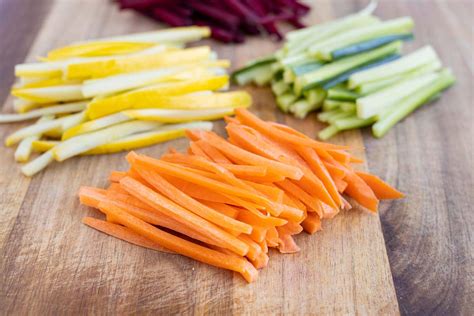
Julienne (Matchsticks)
This classic cut produces thin, uniform matchsticks, typically 1/8 inch by 1/8 inch by 2 inches long. Start by squaring off your vegetable to create flat sides, then slice it into thin planks. Stack these planks and cut them into strips. Carrots, celery, and potatoes are excellent candidates for julienne, perfect for stir-fries, garnishes, or spring rolls.
Chiffonade (Ribbons)
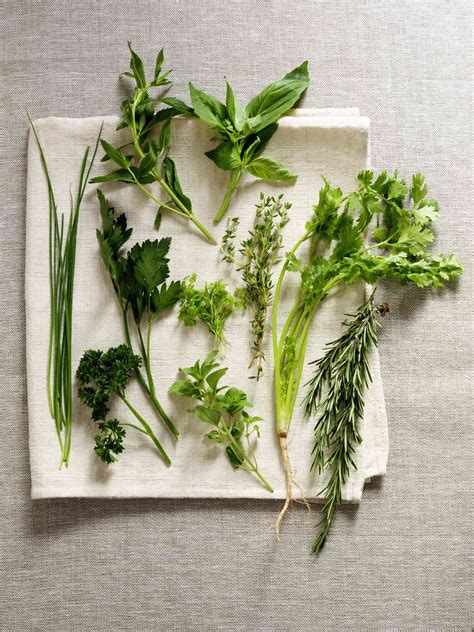
Primarily used for leafy greens and fresh herbs like basil, mint, or spinach. Stack several leaves, roll them tightly into a cigar shape, and then slice thinly across the roll. This produces beautiful, delicate ribbons without bruising the herbs, ideal for garnishes or adding to salads and pasta dishes.
The Art of the Dice
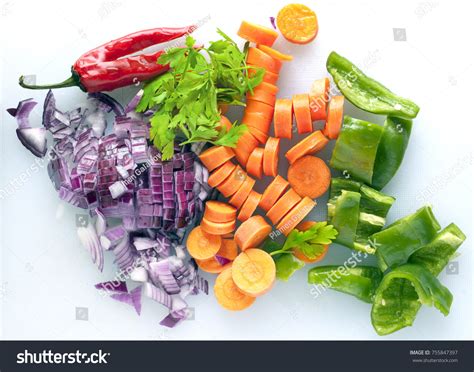
Dicing builds upon slicing, transforming uniform strips into cubes. The goal is consistency in size for even cooking and a professional appearance.
Small, Medium, and Large Dice
These are standard cuts varying in size:
- Small Dice (1/4 inch / 6mm): Ideal for soups, stews, or finely diced ingredients.
- Medium Dice (1/2 inch / 12mm): A versatile all-purpose cut for roasts, sautés, and curries.
- Large Dice (3/4 inch / 18mm): Best for heartier dishes where vegetables are meant to hold their shape, like pot roasts.
The method involves first creating uniform planks, then cutting those planks into uniform sticks (like a thick julienne), and finally cutting across the sticks to form cubes. Precision at each step is key.
Brunoise (Very Fine Dice)
The brunoise is the smallest dice, typically 1/8 inch (3mm) cubes. It’s often used for garnishes, fine mirepoix, or when a very delicate texture is desired. It begins with a very fine julienne, which is then meticulously diced into tiny cubes.

Putting It Into Practice: Common Vegetables
Onions
The trickiest for many due to their layers and tear-inducing properties. Cut the onion in half through the root end. Peel, leaving the root intact (this holds the onion together). Make horizontal cuts parallel to the cutting board, but not all the way through the root. Then make vertical cuts, again not through the root. Finally, slice across the onion from the top, creating perfect dice. For rings, simply slice horizontally from the top.
Bell Peppers
Wash and remove the stem and seeds. For slices, cut into quarters, flatten, and slice. For dice, start by creating flat panels from the pepper’s walls. Then julienne these panels and dice across them.
Carrots and Potatoes
Peel and square off the vegetables for stability. For julienne and dice, follow the plank-to-stick-to-cube method. For rounds, simply slice consistently.
Practice Makes Perfect
Achieving professional-level cuts takes time and consistent practice. Don’t be discouraged if your first attempts aren’t perfect. Focus on safety, technique, and consistency. Start with softer vegetables like zucchini or bell peppers before moving on to tougher ones. Remember, presentation begins long before the plate is served; it starts with how you prepare your ingredients.
Beyond aesthetics, precise cuts ensure that all pieces of a vegetable cook at the same rate, preventing some from being overcooked while others remain raw. This significantly improves the overall quality and enjoyment of your dishes.
Elevate Your Culinary Creations
By mastering the techniques of perfect slicing and dicing, you unlock a new level of culinary artistry. Your meals will not only taste better due to even cooking but will also boast a visual appeal that rivals professional kitchens. So, grab your sharpest knife, embrace the process, and transform your everyday cooking into a feast for the eyes and the palate.