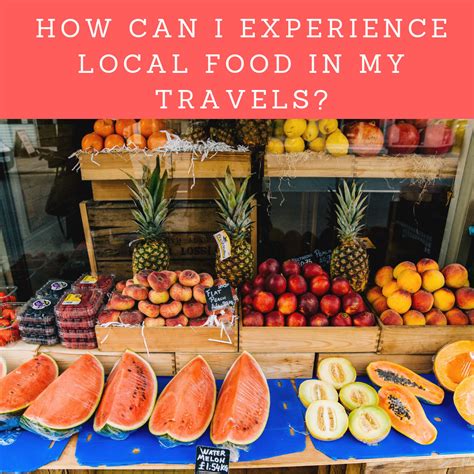
How to photograph street food for “Visual Feeds” without looking touristy?

Mastering Authentic Street Food Photography for “Visual Feeds”
In the vibrant world of social media, particularly on platforms dedicated to visual storytelling like “Visual Feeds,” capturing street food is an art form. It’s about more than just a delicious dish; it’s about conveying culture, atmosphere, and the human element. The challenge, however, is to do so without falling into the trap of looking like a mere tourist snapping a holiday photo. This guide will equip you with the insights and techniques to achieve stunning, authentic street food photography that truly resonates.
Understanding Your Subject: Beyond the Plate
To avoid a touristy feel, you must move beyond simply documenting your meal. Think like a storyteller. What is the history behind this dish? Who is preparing it? What is the environment like? Your subject isn’t just the food; it’s the entire experience. Observe the vendors, their tools, the steam, the bustling surroundings, and the eager customers. These elements contribute layers of authenticity that elevate your photos.
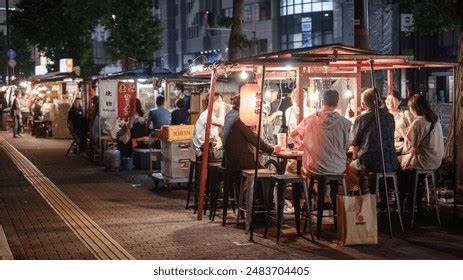
Discreet Gear & Settings for Candid Shots
You don’t need bulky, professional gear to get great shots. In fact, a smaller, more discreet camera (like a mirrorless camera or even a high-end smartphone) is often preferable. It allows you to blend in and capture more candid moments without drawing undue attention. For settings, prioritize natural light. Use a wide aperture (f/1.8-f/4) for beautiful depth of field, blurring out distracting backgrounds and focusing on the food. Keep your ISO as low as possible to maintain image quality, but don’t be afraid to bump it up in low-light conditions if it means getting the shot.
Composition & Framing: Professional Polish
Composition is key to making your photos visually appealing. Employ classic techniques like the rule of thirds, leading lines, and natural frames (doorways, windows, other market stalls). Get close to your subject to highlight textures and details, but also don’t shy away from wider environmental shots that set the scene. Experiment with different angles – overhead shots work wonderfully for bowls and platters, while eye-level shots connect the viewer directly to the food.

Embracing Natural Light & Mindful Editing
Natural light is your best friend. Shoot during the golden hour (shortly after sunrise or before sunset) for warm, soft light, or on overcast days for diffused, even lighting. Avoid direct, harsh midday sun if possible, as it creates strong shadows. If artificial light is your only option, look for interesting neon signs or atmospheric lanterns. When editing, aim for enhancement, not invention. Adjust exposure, contrast, and white balance to make your food look its best, but resist over-saturating colors or applying heavy filters that detract from the natural beauty and authenticity.
Engaging Respectfully with Locals
This is perhaps the most crucial aspect of avoiding a touristy look. Always ask permission before photographing people, especially vendors. A simple smile and a gesture often suffice. Better yet, buy their food! This creates a natural interaction and shows respect. When you engage with locals, you often gain access to more intimate moments and unique perspectives that a hurried, unengaged photographer might miss. These interactions can transform a simple food photo into a compelling story.

Storytelling Through Details and Context
Beyond the finished dish, capture the narrative. Show the ingredients being chopped, the spices being mixed, the skilled hands at work, or the steam rising from a sizzling pan. These details add depth and context, allowing your audience to imagine the sounds, smells, and tastes. A shot of a local enjoying the food, or the unique setting of a street stall nestled amongst historic buildings, can elevate your imagery from a simple food snap to a rich cultural vignette.

The Essence of Authenticity
Ultimately, photographing street food for “Visual Feeds” without looking touristy comes down to a blend of technical skill, cultural sensitivity, and a genuine desire to tell a story. Be present, be respectful, and let your passion for food and culture shine through. By focusing on the narrative, engaging with your subjects, and utilizing thoughtful composition and lighting, your images will transcend mere documentation and become powerful, authentic visual feasts.