How to plate a vibrant summer salad for stunning food photography?
In the world of food, we eat first with our eyes. A beautifully plated dish can elevate a simple recipe into a culinary masterpiece, especially when aiming for stunning food photography. Summer salads, with their inherent vibrancy and fresh ingredients, offer an incredible canvas for visual artistry. Mastering the art of plating will not only make your dishes more appealing but also ensure your photographs captivate your audience.
The Foundation: Freshness and Color
The secret to a truly vibrant summer salad lies in the quality and diversity of your ingredients. Opt for seasonal produce bursting with natural colors—think ripe red tomatoes, emerald green cucumbers, sunny yellow bell peppers, and deep purple berries. A mix of textures, from crisp lettuce to creamy avocado and crunchy nuts, adds visual depth and photographic appeal. Always ensure your ingredients are fresh, clean, and perfectly ripe to shine on camera.

Choosing Your Canvas: The Right Plate
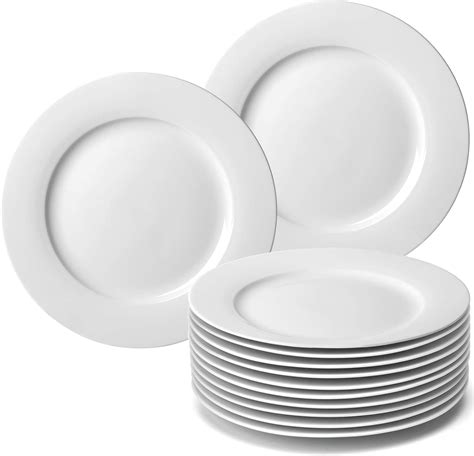
The vessel you choose for your salad is just as important as the ingredients themselves. A simple, neutral-colored plate or bowl (white, light grey, or natural wood) will allow the vibrant colors of your salad to pop without distraction. Consider the size and shape; a wider, flatter plate often provides more surface area for artistic arrangement, while a shallow bowl can create a more rustic or comforting feel. Avoid overly patterned plates that compete with your food.
Building Layers: Texture and Height
Flat salads rarely make for exciting photographs. Introduce height and dimension by building your salad in layers. Start with a base of leafy greens, then strategically add your heavier, more substantial ingredients. Think about:
- Vertical Stacking: Lean cucumber ribbons, stack tomato slices, or create small mounds of grains.
- Varying Textures: Combine soft elements with crunchy ones for dynamic contrast.
- Negative Space: Don’t overcrowd the plate. Leave some breathing room around your ingredients to highlight their shapes and colors.
The Art of Arrangement: Focal Points and Composition
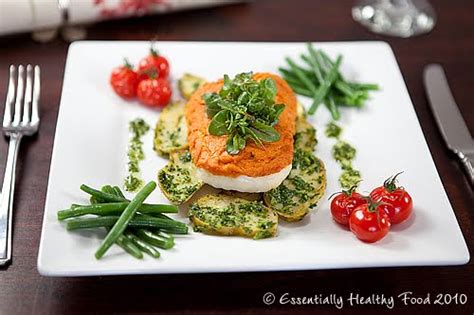
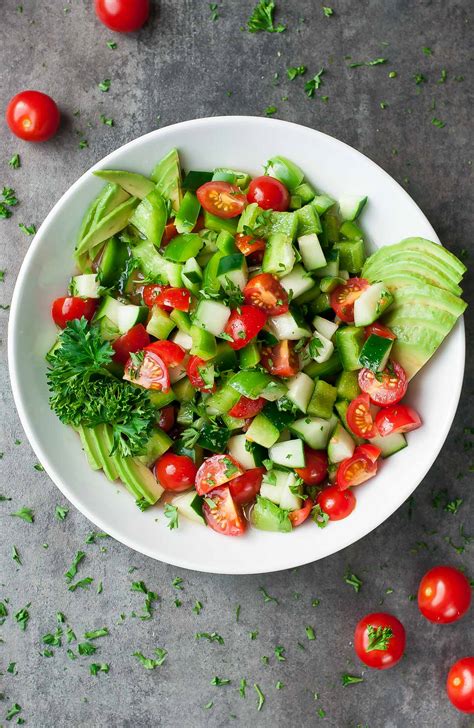
Every great photograph has a focal point, and your salad should be no exception. Choose one or two key ingredients—perhaps a perfectly grilled piece of chicken, a vibrant fruit, or a sprinkle of edible flowers—to draw the eye. Arrange your other ingredients around this point, paying attention to the “rule of thirds” to create a balanced yet dynamic composition. Group similar ingredients sparingly to avoid a jumbled look, and scatter a few elements artfully to suggest abundance.
Garnish & Gloss: The Finishing Touches
Garnishes are the jewelry of your salad, adding that extra sparkle for the camera. A sprinkle of fresh herbs (dill, parsley, mint), a drizzle of high-quality olive oil or balsamic glaze, a scattering of toasted nuts or seeds, or a few edible flower petals can transform your plating. A light mist of water can also add a dewy, fresh look to greens right before shooting. Remember, less is often more; aim for enhancement, not overwhelming decoration.

Photography Tips for Your Masterpiece
Lighting is Key
Natural light is your best friend. Position your plated salad near a window, ideally with soft, diffused light. Avoid direct harsh sunlight, which can create strong shadows. If natural light isn’t available, use a softbox or diffused artificial light source.
Angles and Perspectives
Experiment with different angles. An overhead shot (flat lay) works wonderfully for showing the overall composition and variety of ingredients. A 45-degree angle can highlight height and texture, while a close-up can emphasize specific elements and their freshness. Don’t be afraid to get low or high to find the most flattering view.
Background and Props
Keep your background simple and uncluttered. A wooden board, a plain linen napkin, or a neutral-colored tabletop can serve as excellent backdrops. Subtle props like a fork, a small bowl of dressing, or a glass of water can add context without distracting from the main subject. Ensure props complement, rather than compete with, your salad.

Plating a vibrant summer salad for photography is a creative process that combines culinary skill with an artist’s eye. By focusing on fresh, colorful ingredients, thoughtful arrangement, and smart photography techniques, you can transform your everyday salads into captivating visual stories. Practice, experiment, and have fun making your food as beautiful as it is delicious.