How to plate and garnish homemade dishes for stunning visual appeal?
Why Presentation Matters: The First Bite Is With The Eye
While the taste of a dish is paramount, its visual appeal plays an equally crucial role in the dining experience. A beautifully plated meal doesn’t just look good; it enhances anticipation, stimulates appetite, and communicates care and craftsmanship. Elevating your home-cooked meals with professional-looking presentation is simpler than you might think, requiring just a few thoughtful techniques and creative touches.
Understanding the Core Principles of Plating
Successful plating is an art form rooted in a few fundamental principles. Adhering to these guidelines will instantly elevate your dishes from everyday to extraordinary.
- Balance: Aim for a harmonious arrangement of colors, textures, and shapes. Avoid overcrowding the plate.
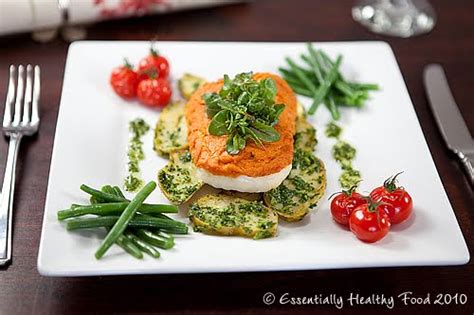
- Focal Point: Every plate should have a star. Typically, this is your main protein or vegetable. Arrange other elements to support and highlight this focal point.
- Color & Contrast: Use contrasting colors to make your food pop. Think bright green herbs against a creamy sauce, or vibrant red berries on a neutral dessert.
- Texture: Incorporate various textures – crunchy, creamy, smooth, crisp – to add interest both visually and orally.
- Height: Adding vertical elements, such as neatly stacked components or a carefully placed garnish, can create dynamism and elegance.
- Negative Space: Don’t fill every inch of the plate. Strategic empty space allows the food to breathe and draws attention to the arranged elements.
Essential Plating Techniques for Home Cooks
With the principles in mind, let’s dive into practical techniques you can implement in your kitchen today.
Choose the Right Plate
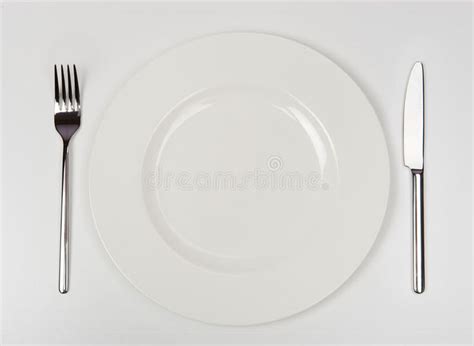
The plate itself is your canvas. Often, simple white or neutral-colored plates allow the food’s colors to stand out. Consider the shape – round plates are classic, while square or rectangular plates can add a modern touch. Ensure the plate size is appropriate; too large, and the food looks sparse; too small, and it looks cramped.
Create a Focal Point and Structure
Start with your main ingredient and place it slightly off-center (following the rule of thirds can be very effective). Build around it, adding complementary components like starches or vegetables. Think about creating layers or a slight stack rather than spreading everything flat. For example, stack roasted vegetables neatly beside a main protein, or gently spoon a purée underneath.
Saucing with Precision
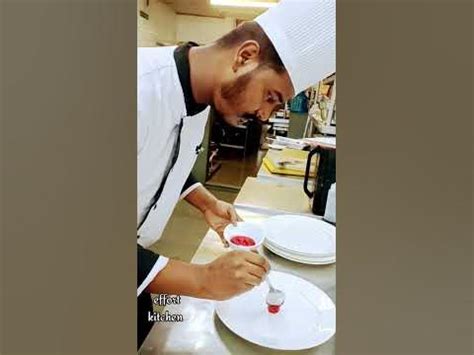
Sauces are an integral part of both flavor and presentation. Instead of drowning your food, consider these techniques:
- Underneath: A small pool of sauce under a main component.
- Drizzling: A controlled drizzle over the top, using a spoon or a squeeze bottle.
- Swiping: A sophisticated smear of sauce across the plate using the back of a spoon.
Mastering the Art of Garnishing
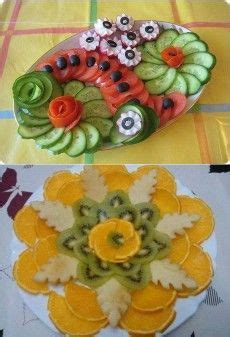
Garnishes are the final touch that can transform a good dish into a stunning one. They should always be edible, enhance the dish’s flavor profile, and contribute to its visual appeal.
Fresh Herbs
A sprig of fresh parsley, cilantro, dill, or thyme can add a burst of color and aroma. Fine chiffonade of basil or mint can be sprinkled over, while whole leaves can be strategically placed. Choose herbs that complement the dish’s flavors.
Citrus Zest & Wedges
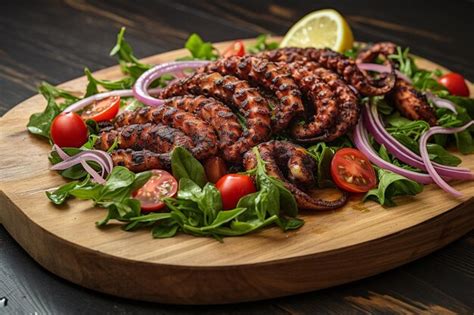
A sprinkle of lemon or lime zest adds bright color and a fresh aroma, particularly to seafood, chicken, or desserts. A neatly cut citrus wedge on the side is both functional and decorative.
Edible Flowers & Microgreens
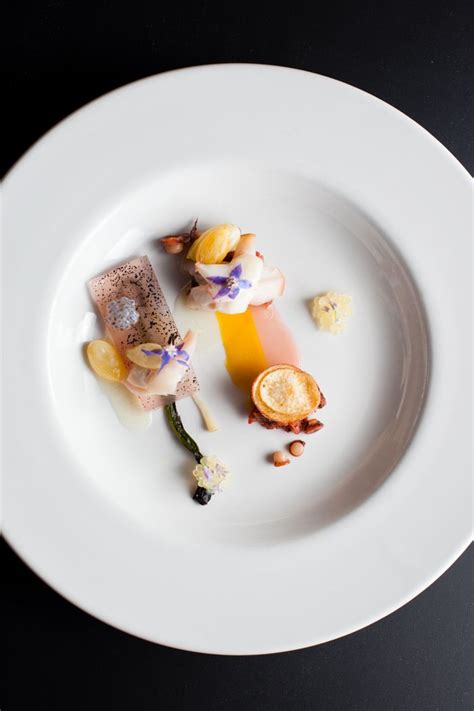
For a touch of elegance, consider edible flowers like violas, pansies, or nasturtiums. Microgreens (e.g., radish, arugula, basil) offer delicate texture and intense flavor, perfect for salads or as a bed for other components.
Toasted Nuts & Seeds
These add a lovely crunch and visual texture to salads, main courses, or desserts. Think toasted almonds, sesame seeds, or crushed pistachios.
Drizzles & Dustings
A swirl of balsamic glaze, a drizzle of high-quality olive oil, or a dusting of cocoa powder or powdered sugar can create patterns and visual interest.
Practical Tips for Stunning Home Presentation
- Keep it Clean: Always wipe the edges of your plate clean before serving. A pristine plate elevates the entire presentation.
- Simplicity is Key: Don’t over-garnish or overcrowd. Sometimes, less is more.
- Practice Makes Perfect: Experiment with different arrangements. Take photos of your work to see what looks best.
- Consider the Occasion: Everyday meals can benefit from simple garnishes, while special occasions might warrant more elaborate plating.
- Serve Hot Food Hot, Cold Food Cold: Temperature contrast is also part of the dining experience.

Conclusion
Plating and garnishing are the final steps in the cooking process, transforming your delicious homemade creations into visually stunning experiences. By applying these principles and techniques, you’ll not only impress your family and friends but also deepen your own appreciation for the art of cooking. Remember, the goal is to make your food as appealing to the eye as it is to the palate. Happy plating!