How to plate dishes for maximum visual appeal and fresh texture?
Beyond just taste, the presentation of a dish plays a crucial role in the overall dining experience. Plating food thoughtfully can transform a simple meal into a culinary masterpiece, exciting the eyes before it ever reaches the palate. More than just looking good, effective plating can also subtly communicate freshness and quality, making every bite feel more satisfying.
The Foundation: Freshness First
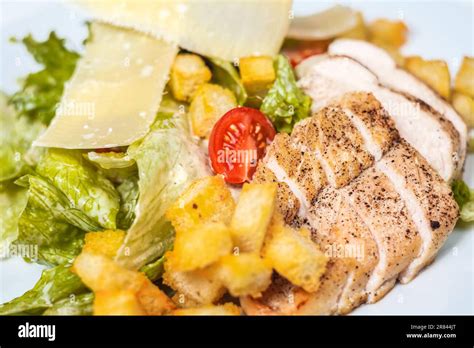
Before you even think about arrangement, the quality and freshness of your ingredients are paramount. No amount of artistic plating can disguise wilted greens or overcooked proteins. Start with high-quality, seasonal produce and meats, and cook them properly to retain their vibrant colors and appealing textures. A perfectly seared piece of fish with crisp skin, bright green blanched vegetables, or a glistening piece of roasted chicken inherently looks more appetizing and suggests freshness.
Consider the natural beauty of your ingredients. How can you highlight their inherent colors, shapes, and textures? A dish built on fresh, well-prepared components is already halfway to being visually appealing.
Principles of Plating for Visual Impact
Rule of Thirds and Asymmetry
Just like in photography, the rule of thirds can guide your plating. Imagine dividing your plate into nine equal sections with two horizontal and two vertical lines. Place your main elements where these lines intersect to create a dynamic, balanced, yet not symmetrical, composition. Asymmetry often feels more natural and interesting.

Color Contrast
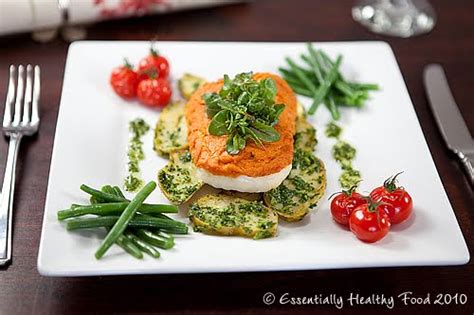
A plate with a monotonous color scheme can be unappealing. Strive for variety. Combine bright reds (tomatoes, bell peppers), vibrant greens (herbs, spinach), earthy browns (meats, mushrooms), and creamy whites (purees, sauces). A pop of color from a garnish can make a world of difference.
Texture Contrast
Texture is not just about mouthfeel; it’s also visual. A dish that features a mix of textures—crispy, creamy, smooth, crunchy—is far more engaging. Think of a smooth potato puree beside a crunchy vegetable slaw, or a delicate fish fillet with a scattering of toasted nuts.
Height and Dimension
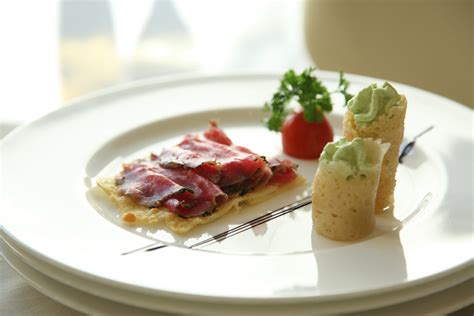
Flat food can look uninspired. Add height to your plate by stacking ingredients (within reason), leaning elements against each other, or building small towers. This creates a more dynamic, three-dimensional look that draws the eye in.
Negative Space
Don’t overcrowd the plate. Allowing some blank space around your food elements gives them room to breathe and makes the dish feel more elegant and deliberate. It allows the diner to focus on the artistry of your arrangement.
Techniques for Preserving Texture and Flavor
Temperature Control
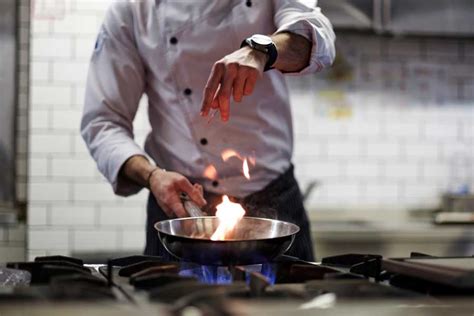
Serve elements at their ideal temperatures. Hot food should be hot, and cold food should be cold. This not only enhances flavor but also maintains desired textures. For example, a crisp salad quickly loses its appeal if placed on a hot plate or next to steaming hot components.
Saucing Smartly
Sauce can enhance both flavor and visual appeal, but too much can drown your dish, making ingredients soggy and muddying the presentation. Apply sauces sparingly and intentionally: drizzle them around or under the main components, create decorative swooshes, or serve them on the side.
Garnishing Strategically
Garnishes are your final flourish, often adding a critical fresh element. Fresh herbs, a sprinkle of sea salt, a zest of citrus, or edible flowers can add vibrancy, aroma, and a final touch of texture. Add these just before serving to ensure they are at their freshest and most visually impactful.
Practical Plating Steps
- Choose Your Plate: Select a plate that complements your food. White plates are often best as they make colors pop. Consider the shape and size – usually, a slightly oversized plate makes the portion look more substantial and allows for negative space.
- Anchor Element: Start with your main protein or vegetable. Place it strategically, perhaps slightly off-center according to the rule of thirds.
- Support Elements: Arrange starches and vegetables around or near your anchor. Think about how their shapes and colors interact. Build some height where appropriate.
- Sauce Application: Apply sauces with precision. A squeeze bottle, spoon, or small brush can help you create intentional lines or pools.
- Garnish Final Touch: Add your garnishes last. A sprig of fresh dill, a dusting of paprika, a few microgreens, or a drizzle of finishing oil can complete the picture.
Conclusion
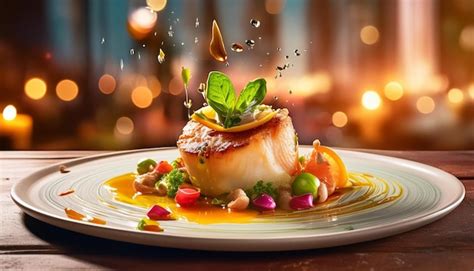
Plating is an art form that elevates the dining experience from mere sustenance to a celebration of the senses. By focusing on fresh, quality ingredients and applying thoughtful design principles—like balance, color, texture, and height—you can create dishes that are not only delicious but also visually stunning. Remember, practice makes perfect, so don’t be afraid to experiment and find your own plating style. Your guests (and your camera!) will thank you.