How to plate everyday recipes to achieve that ‘visual feed’ wow-factor?
Transform Your Daily Dishes into Visual Feasts
In today’s visually driven world, the presentation of food is almost as important as its taste. Whether you’re sharing your culinary creations on social media or simply want to elevate the dining experience at home, mastering a few simple plating techniques can turn an ordinary meal into an extraordinary visual spectacle. Forget complicated fine-dining trickery; we’re talking about practical, everyday tips that will give your home-cooked dishes that ‘wow-factor’ without the fuss.
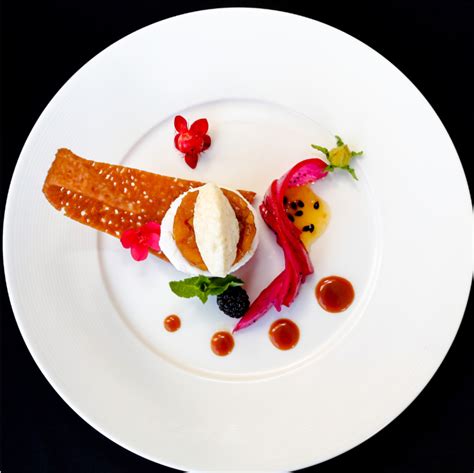
The Foundation: Choose Your Canvas Wisely
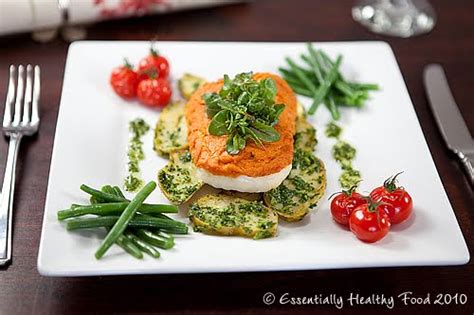
Your plate is the canvas, so choose it carefully. White, plain plates are often preferred by chefs because they allow the food’s colors to pop without distraction. Consider the size and shape too: a larger plate with a generous rim provides ‘negative space,’ making your portion look more elegant and intentional, rather than crammed. Shallow bowls also work wonders for dishes like pasta, stews, or grain bowls, offering depth and visual interest.
Master the Art of Arrangement: The Rule of Odds and Space
Think about composition. The ‘rule of odds’ suggests that arrangements of odd numbers of items (e.g., three asparagus spears, five shrimp) are more visually appealing and natural than even numbers. Also, avoid stacking everything in the center. Utilize the entire plate, leaving some ‘white space’ around your food. This negative space allows the eye to rest and highlights the dish’s main components. Aim for a sense of balance and flow rather than perfect symmetry.
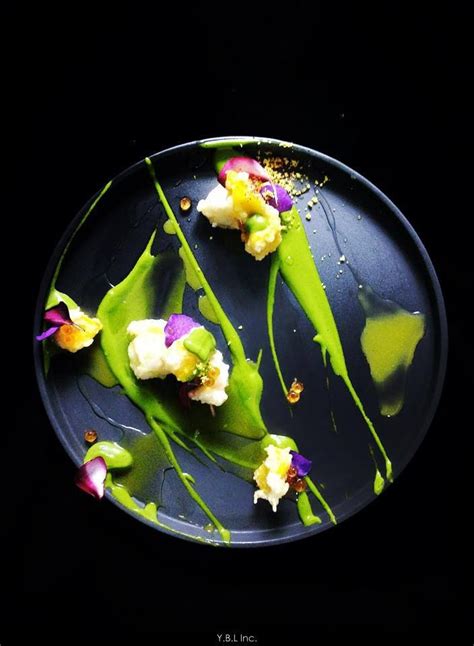
Play with Color, Texture, and Height
These three elements are crucial for a dynamic plate. Introduce contrasting colors – a sprinkle of fresh green herbs on a rich red tomato sauce, or a vibrant purple radish against a creamy white sauce. Varying textures (crispy, creamy, crunchy, smooth) adds interest and depth. Don’t be afraid to build height; think about stacking components, layering, or leaning elements against each other to create a three-dimensional effect. This makes the dish more inviting and appetizing.
Garnishes: The Finishing Touch
Garnishes are not just for decoration; they add flavor, aroma, and visual appeal. A sprig of fresh parsley, a drizzle of balsamic glaze, a sprinkle of toasted seeds, or a dusting of paprika can transform a dish. Use garnishes sparingly and intentionally – they should complement the dish, not overpower it. Think about a few strategically placed microgreens or a delicate swirl of sauce rather than a haphazard shower.
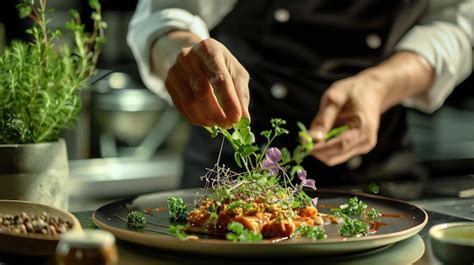
Keep It Clean and Intentional
Even the most beautifully arranged food can lose its appeal if the plate is messy. Before serving, take a moment to wipe the rims of your plate with a clean cloth or paper towel to remove any drips, smudges, or smears. Precision matters; place each component intentionally rather than just dumping it. This small step makes a huge difference in achieving a professional, clean look.
Practical Tips for Everyday Dishes
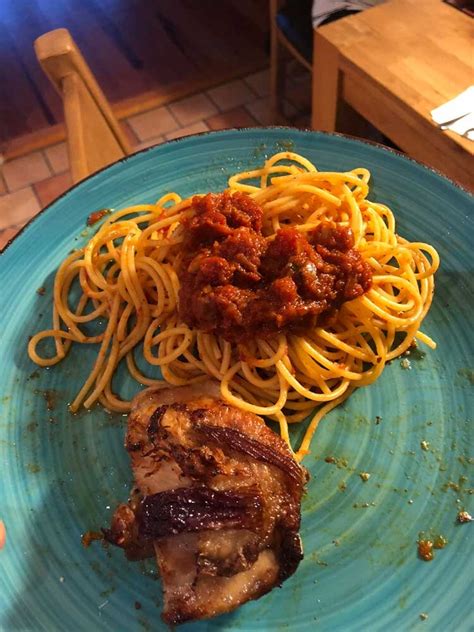
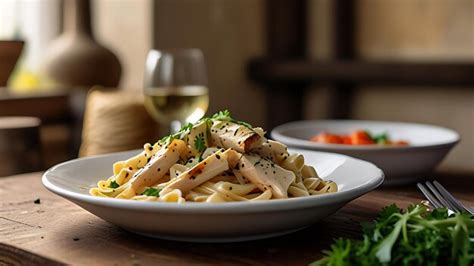
- Pasta: Instead of a mound, use tongs to twirl pasta into a neat nest in the center of the plate. Top with sauce, cheese, and a fresh herb.
- Salads: Layer ingredients rather than just tossing them. Start with greens, add larger components, then smaller ones, and finish with dressing and a sprinkle of nuts or seeds.
- Soups & Stews: Ladle into a bowl, then add a central garnish (a dollop of sour cream, a swirl of pesto, a few croutons) to break up the surface.
- Sandwiches: Cut neatly and arrange with purpose. Consider serving open-faced or layering components to show off fillings.
Mastering the art of plating is a skill that develops with practice. Don’t be intimidated; start with one or two techniques and gradually incorporate more. The goal is to make your food look as delicious as it tastes, enhancing the overall dining experience for yourself and your loved ones. With a little creativity and attention to detail, you can turn every meal into a feast for the eyes.