How to plate home-cooked recipes for vibrant, ‘foodie-feed’ visual appeal?
In today’s visually-driven world, a dish isn’t just about taste – it’s an experience. For home cooks, transforming everyday meals into Instagram-worthy masterpieces might seem daunting, but with a few simple techniques, you can elevate your plating game and make your ‘foodie-feed’ pop. This guide will walk you through the essentials of food presentation, ensuring your delicious creations look as good as they taste.
The Foundation of Stunning Plating
Before you even begin arranging, consider the fundamental principles that make a plate visually appealing. Think of your plate as a canvas and your food as the art.
1. Color, Texture, and Contrast
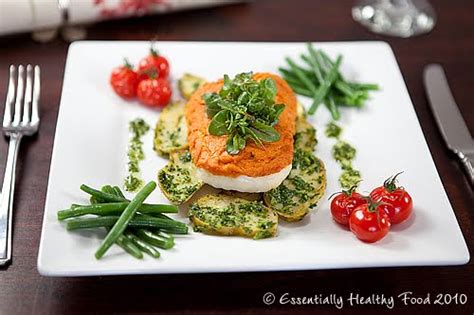
A vibrant plate is a feast for the eyes. Aim for a variety of colors, textures, and shapes. If your main protein is monochromatic, introduce contrasting elements like bright green herbs, colorful vegetables, or a dollop of a vibrant sauce. Textural contrast, like crispy against creamy, adds depth and interest.
2. The Rule of Odds and Threes
Humans naturally find odd numbers more appealing and dynamic. When plating multiple small items, like scallops, shrimp, or small potato portions, arrange them in groups of three or five. This creates visual movement and avoids a static, symmetrical look.
3. Creating a Focal Point
Every great dish has a star. Identify the main component and place it prominently. Other elements should complement and draw the eye towards this focal point, without overpowering it. Often, this is the protein.
Essential Plating Techniques for Home Cooks
1. Choose the Right Canvas
The plate itself plays a crucial role. White plates are often preferred as they provide a neutral background that makes food colors pop. Consider the size – don’t overcrowd a small plate, but also don’t let a tiny portion get lost on a large one. Bowls are excellent for dishes with sauces or liquid components like curries or pasta.
2. Build from the Base Up
Start with your foundational elements – typically your starch or carbohydrate, such as rice, mashed potatoes, or polenta. These can create a stable base for other ingredients. Use a ring mold for perfect circles or simply spoon them artfully.
3. Add Height and Dimension
Flat food is boring food. Stack ingredients to create verticality. Lean elements against each other. For example, stack grilled chicken slices, or create a small mound of roasted vegetables. This adds visual interest and a professional touch.
4. Garnish with Purpose
Garnishes aren’t just for decoration; they should add flavor, texture, or aromatic appeal. Fresh herbs (parsley, cilantro, chives), a drizzle of good olive oil, a sprinkle of toasted seeds, or a swirl of crème fraîche can dramatically elevate a dish. Place garnishes strategically, not just randomly scattered.
5. The Art of the Drizzle and Smear
Sauces and purees are fantastic for adding artistic flair. Use a squeeze bottle or the back of a spoon to create elegant lines, dots, or smears across the plate. Remember that less is often more – a subtle touch can be more impactful than a pool of sauce.
Practical Plating Tips for Common Dishes
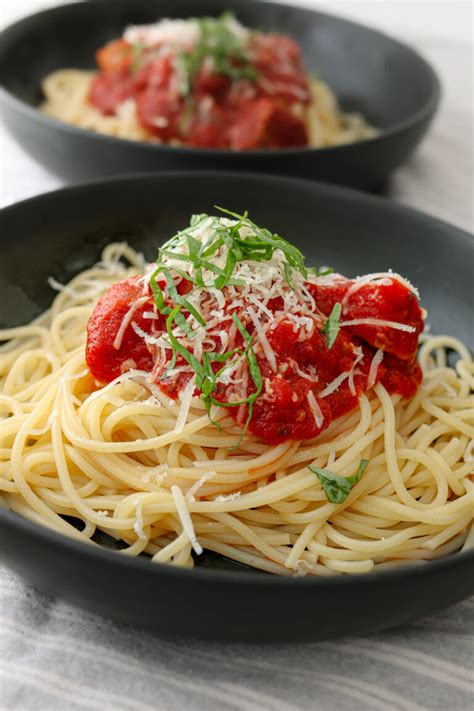
- Pasta: Toss with sauce, then use tongs to twirl into a neat mound in the center of the plate. Garnish with fresh Parmesan and herbs.
- Soups & Stews: Serve in wide, shallow bowls. Garnish the center with a swirl of cream, croutons, or finely chopped herbs.
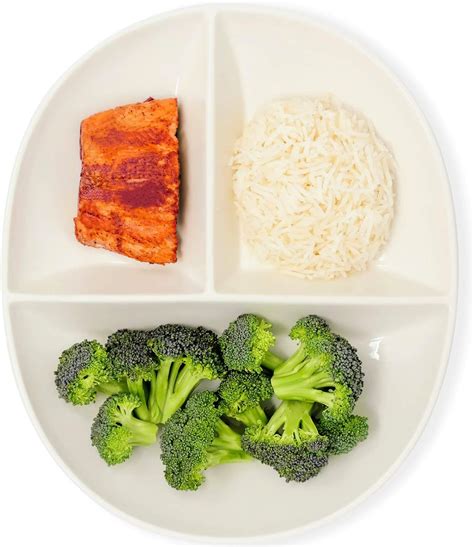
- Proteins & Sides: Place the protein (e.g., steak, fish) as the focal point. Arrange vegetables and starches around it, using height and negative space to your advantage.
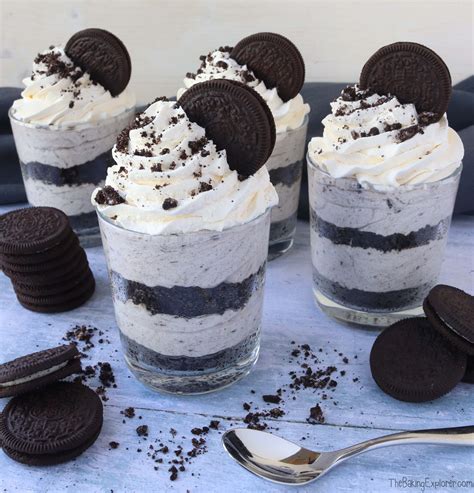
- Desserts: Think about layers and contrasting textures. A scoop of ice cream on a warm brownie with a berry coulis drizzle is classic for a reason.
The Final Touch: Cleanliness
Before serving, always wipe the rim of your plate with a clean cloth or paper towel to remove any drips, smudges, or fingerprints. A clean plate edge signals professionalism and attention to detail.
Conclusion
Plating is a creative process that allows you to express your culinary artistry. Don’t be afraid to experiment, try different arrangements, and learn what works best for your dishes. With a little practice, your home-cooked meals will not only taste incredible but also look spectacular, ready for their close-up on any ‘foodie-feed’!