How to plate quick, colorful meals to look amazing on a visual feed?
Elevate Your Everyday Meals for Social Media Stardom
In today’s visually-driven world, a meal isn’t just about taste; it’s also about presentation. Whether you’re a food blogger, a home cook sharing your creations, or simply someone who loves beautiful food, knowing how to plate quick, colorful meals can significantly boost their appeal on any visual feed. It doesn’t require culinary school training or hours of work – just a few smart techniques.
Embrace the Power of Color
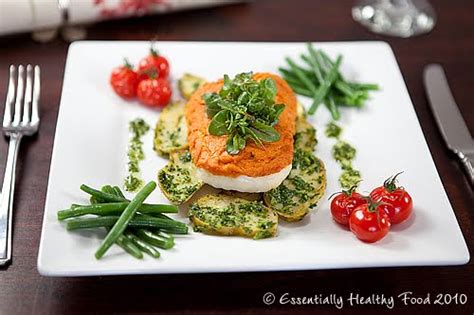
Color is the first thing that catches the eye. A plate bursting with vibrant hues immediately looks more appetizing and exciting. Think beyond just the main ingredient. Incorporate a rainbow of vegetables, fruits, and even herbs to create natural contrast and visual interest. Red bell peppers, green spinach, yellow corn, purple cabbage, and orange carrots can turn a mundane dish into a masterpiece.
Aim for at least three different colors on your plate. This can be achieved by adding a colorful sauce, a sprinkle of fresh herbs, or a side of bright vegetables. The more natural colors, the better it will look and taste!

Focus on Texture and Contrast
A visually appealing dish isn’t just about color; it’s also about varying textures. Smooth purees alongside crunchy croutons, tender proteins with crispy skins, or soft grains topped with toasted nuts all add depth. These textural contrasts not only make the meal more interesting to eat but also create dynamic visual elements that photograph beautifully.
Consider how different components will look together. A monochromatic dish can still be stunning if it plays with various textures – think creamy polenta with grilled mushrooms and crispy fried sage.
Strategic Arrangement and Composition
How you arrange food on the plate is crucial. Instead of just piling everything, think of your plate as a canvas. The ‘rule of thirds’ often applies here: imagine dividing your plate into three sections and placing key elements along these lines or at their intersections.
- The Rule of Odds: Arrange components in odd numbers (e.g., 3 scallops, 5 asparagus spears) as this tends to be more aesthetically pleasing than even numbers.
- Build Up, Not Out: Create height with your food. Stacking ingredients carefully can make a dish look more elegant and substantial.
- Negative Space: Don’t overcrowd the plate. Leaving some white space allows the food to breathe and makes the presentation feel more refined.

Garnish with Flair
Garnishes are your finishing touch, adding that professional polish. They should always be edible and complement the dish’s flavors. Fresh herbs like parsley, cilantro, or dill instantly brighten a plate. A drizzle of olive oil, a swirl of balsamic glaze, or a sprinkle of sesame seeds can add visual interest and flavor. Edible flowers are also a fantastic way to introduce a pop of delicate color.
Remember, less is often more with garnishes. A few well-placed elements are more effective than an overwhelming amount.
Mastering the Plate (and Bowl) Choice
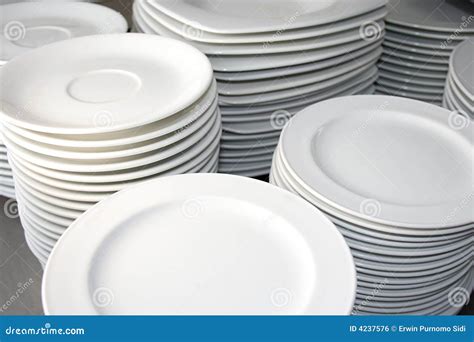
The vessel itself plays a significant role. Simple, plain white plates are often preferred by chefs because they allow the food’s colors to truly pop without distraction. However, textured ceramics or dark plates can also create dramatic contrast. Choose a plate size appropriate for the portion – you want enough space for arrangement without making the portion look tiny or excessive.
For dishes with sauces or liquids, bowls are excellent. Their curved edges provide a natural boundary and help keep all elements contained while still allowing for beautiful layering.
Lighting and Angle for the Win
Once your meal is perfectly plated, good photography makes all the difference for a visual feed. Natural light is your best friend – avoid harsh overhead lights or direct sunlight. Position your plate near a window. Experiment with angles: a direct overhead shot works well for bowls and flat dishes, while a 45-degree angle can highlight the height and layers of stacked food.
A clean, uncluttered background will keep the focus on your vibrant creation. Quick snaps with your phone can look professional with the right lighting and minimal fuss.

Keep it Quick and Simple
The beauty of quick, colorful meals is that they are inherently vibrant. Maximize efficiency by choosing ingredients that don’t require extensive prep, like pre-chopped vegetables, canned beans, or quick-cooking grains. Focus on one or two star components and build around them. A simple stir-fry, a colorful salad, or a grain bowl can be plated beautifully in minutes with these tips.

Conclusion
Plating quick, colorful meals to look amazing on a visual feed is an accessible skill that enhances your cooking and sharing experience. By paying attention to color, texture, arrangement, garnishes, and presentation, you can transform everyday dishes into share-worthy works of art without adding significant time to your cooking routine. So go ahead, get creative, and make your next meal a feast for the eyes!