How to plate real food recipes for vibrant, irresistible visual appeal?
Unlock the Secret to Stunning Dishes: The Art of Food Plating
Food isn’t just about taste; it’s a feast for all the senses, and visual appeal plays a crucial role in enhancing the dining experience. Mastering the art of food plating can transform even the simplest home-cooked meal into a restaurant-worthy masterpiece, making every bite feel more special and irresistible. This guide will help you understand the core principles and practical techniques to plate your real food recipes with vibrant, irresistible visual appeal.
Why Plating Matters: More Than Just Pretty Food
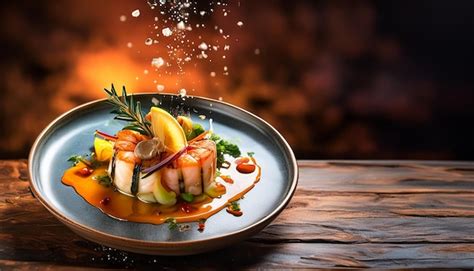
The first impression of a dish is visual. Before your guests even take a bite, their eyes have already started to form an opinion. A beautifully plated dish signals care, quality, and attention to detail, setting expectations high and making the meal more enjoyable. Visual appeal can actually enhance perceived flavor and satisfaction, turning a good meal into a great one.
Foundational Principles for Irresistible Plating
To create visually appealing plates, consider these fundamental principles:
-
Balance and Harmony:
Distribute elements thoughtfully. Avoid crowding the plate; allow components to breathe. Aim for a sense of equilibrium, where no single element overpowers the others in terms of size, color, or texture.
-
Contrast:
Play with contrasts in color, texture, and shape. Bright colors pop against muted tones, smooth textures complement crunchy ones, and varied shapes add dynamic interest.
-
Height and Dimension:
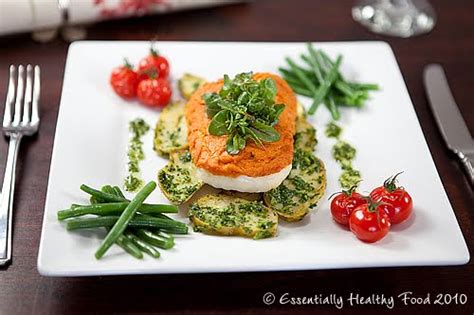
Flat plates can look uninspired. Add verticality to your dishes by layering ingredients, stacking components (like a piece of protein on a bed of vegetables), or using a garnish to build upwards.
-
Focus Point:
Guide the diner’s eye to a main element on the plate, often the protein or star of the dish. Arrange other components to complement and highlight this focal point.
-
Negative Space:
Don’t feel the need to fill every inch of the plate. Leaving some empty space, often referred to as “negative space,” allows the elements to stand out, creating an elegant and uncluttered presentation.
Practical Techniques for Home Chefs
1. Choose the Right Plate
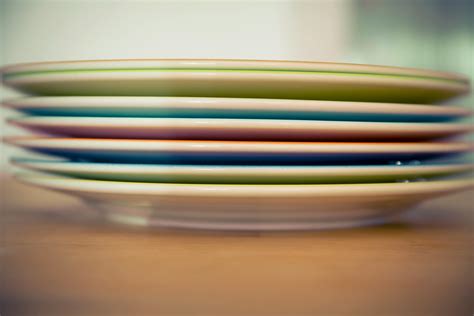
The plate is your canvas. White plates often make colors pop, but don’t shy away from other colors or patterns if they complement your dish. Consider the size and shape: large plates are great for delicate arrangements, while smaller, deeper bowls work well for stews or pasta. Make sure the plate is clean and free of smudges.
2. Arrange Your Components Thoughtfully
- The Rule of Odds: When arranging small items (like scallops or cherry tomatoes), group them in odd numbers (3, 5, 7) for a more visually pleasing and natural look.
- Clockwise Placement: A classic approach places protein at 6 o’clock, starch at 10 o’clock, and vegetables at 2 o’clock, but feel free to experiment with creative arrangements.
- Layering: Build up your dish in layers rather than spreading everything out flat. A base of purée, topped with protein, then garnished with fresh herbs, adds both height and visual interest.
3. Garnish with Purpose
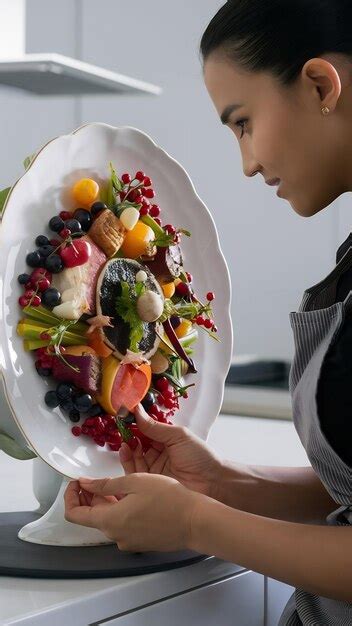
Garnishes aren’t just for decoration; they should add flavor, texture, and aroma. Fresh herbs (parsley, cilantro, chives), microgreens, toasted nuts, edible flowers, or a sprinkle of spices can add a final flourish. Place garnishes strategically, often near the focal point, to enhance rather than overwhelm the dish.
4. Sauce and Drizzle with Precision
Sauces can be a powerful plating tool. Instead of pouring a pool of sauce, consider:
- Swipes: Use the back of a spoon to create an elegant swipe of sauce across the plate before adding other elements.
- Dots: Place small, artful dots of sauce around the main components using a squeeze bottle or a spoon.
- Drizzles: A fine drizzle over the entire dish can tie all the elements together.
Ensure sauces are consistently thick enough to hold their shape and don’t bleed into other components.

Consider Color, Texture, and Temperature
A vibrant plate is often a delicious plate. Think about combining ingredients with naturally appealing colors – red tomatoes, green herbs, golden proteins. Varying textures (crisp, creamy, tender, crunchy) adds excitement to each bite and visual appeal. Finally, ensure your food is served at the appropriate temperature, as cold food on a warm plate or vice versa can detract from the experience.
Mastering the Details for Irresistible Plates
Beyond the main components, pay attention to the small details. Wipe away any stray drips or smudges from the rim of the plate before serving. A clean plate edge is a sign of professionalism. Ultimately, plating is a skill that improves with practice. Don’t be afraid to experiment with different arrangements, garnishes, and sauces. Take photos of your work, analyze what looks good, and learn from it.
Conclusion
Plating real food recipes for vibrant, irresistible visual appeal is an accessible skill that can profoundly impact your cooking and dining experience. By understanding basic principles like balance, contrast, and focus, and practicing techniques like thoughtful arrangement and precise garnishing, you can transform your everyday meals into memorable culinary showcases. So, grab your ingredients, choose your plate, and start creating edible art that delights the eyes as much as the palate!