How to plate roasted vegetables for visual appeal and maximum flavor?
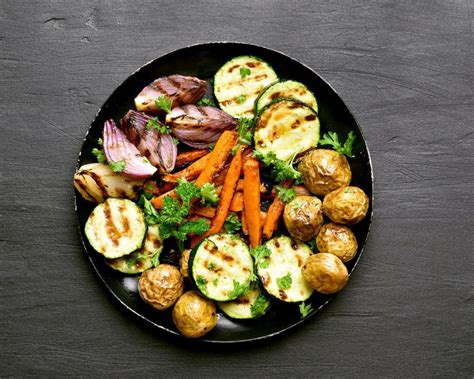
Roasted vegetables are a staple in many kitchens, loved for their caramelized sweetness and tender texture. But beyond simply scooping them onto a plate, thoughtful plating can elevate your dish from everyday side to a culinary masterpiece, engaging both the eyes and the palate. The way you present your vegetables can dramatically influence how they are perceived, making them more enticing and, surprisingly, even more delicious.
Beyond the Roasting Pan: The Art of Presentation
Plating isn’t just for fine dining; it’s a skill that can transform any home-cooked meal. When it comes to roasted vegetables, well-executed plating can highlight their natural colors, textures, and shapes, making them irresistible. A beautifully arranged dish suggests care and intention, enhancing the overall dining experience before the first bite is even taken.
Foundation First: Perfectly Roasted Vegetables
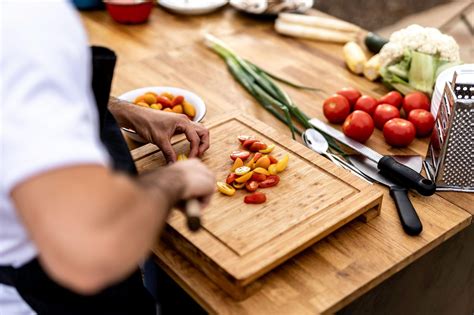
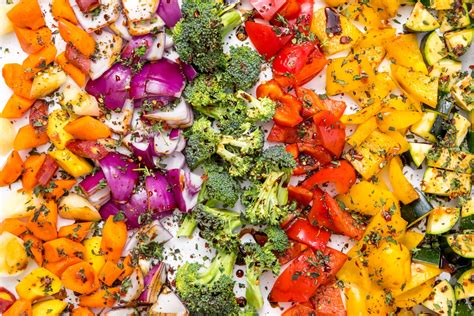
Before you can plate beautifully, you need to roast expertly. Ensure your vegetables are cut into uniform sizes for even cooking and develop a good char without burning. A mix of different vegetables offers a variety of colors and textures that are inherently appealing. Think about contrasting colors like bright orange carrots, deep green broccoli, purple onions, and golden potatoes. Optimal roasting creates vibrant colors and distinct textures, which are crucial for attractive plating.
Strategic Arrangement: Crafting Visual Harmony
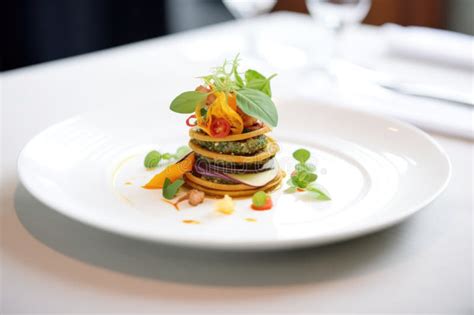
When arranging your roasted vegetables, consider composition. Instead of a flat pile, aim for height and structure. Create a slight mound in the center of the plate, allowing individual pieces to show their unique characteristics. You can layer larger pieces as a base and artfully place smaller, more delicate ones on top. Play with negative space – don’t overcrowd the plate. A little empty space allows the eye to rest and highlights the food you’ve meticulously arranged.
Think about balance and flow. You might arrange them in a gentle curve, a diagonal line, or a deliberate cluster. Contrasting colors should be placed strategically so they pop, rather than blending together. For example, place a few dark roasted brussels sprouts next to bright red bell peppers. Varying the orientation of the vegetables can also add visual interest.
The Finishing Touch: Garnishes and Dressings
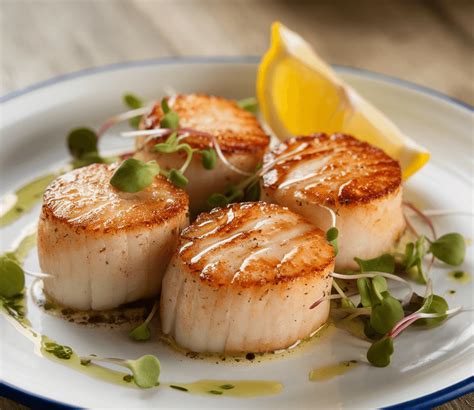
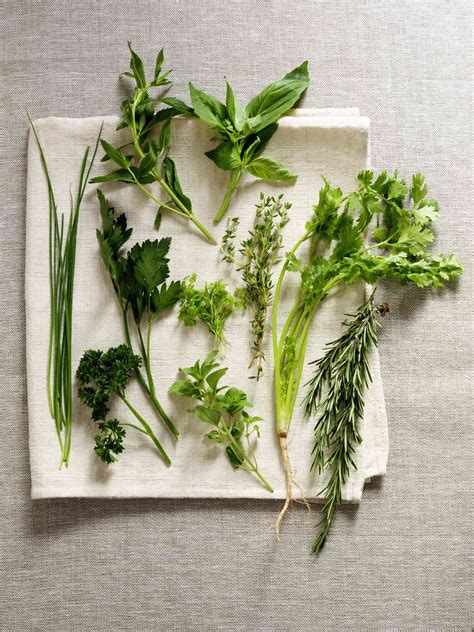
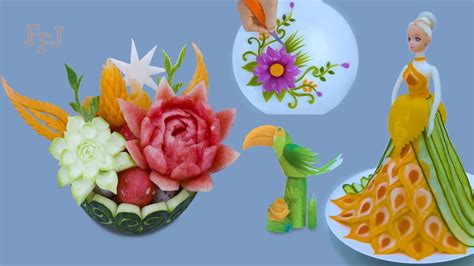
Garnishes are not just for show; they can add crucial flavor and texture. Fresh herbs like parsley, chives, thyme, or rosemary, finely chopped or as small sprigs, introduce a vibrant green and a burst of fresh aroma. A sprinkle of toasted nuts or seeds (like almonds, pine nuts, or sesame seeds) adds a delightful crunch and nutty flavor. A drizzle of high-quality olive oil, a balsamic glaze, a squeeze of fresh lemon juice, or a light vinaigrette can bind the flavors together, add moisture, and create an appetizing sheen.
Enhancing Flavor Through Thoughtful Plating
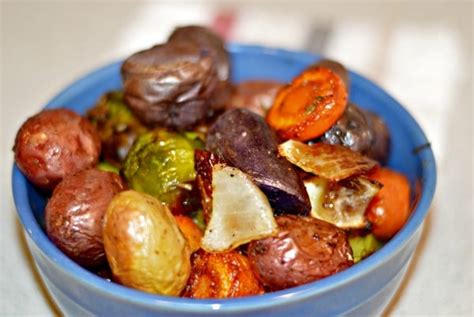
Good plating isn’t just about looks; it can genuinely enhance the eating experience. When different components are thoughtfully arranged, each bite can offer a balanced mix of textures and flavors. A perfectly placed drizzle of sauce ensures it complements every forkful. Garnishes, especially fresh herbs or citrus, brighten the overall flavor profile, cutting through the richness of roasted vegetables and awakening the palate.
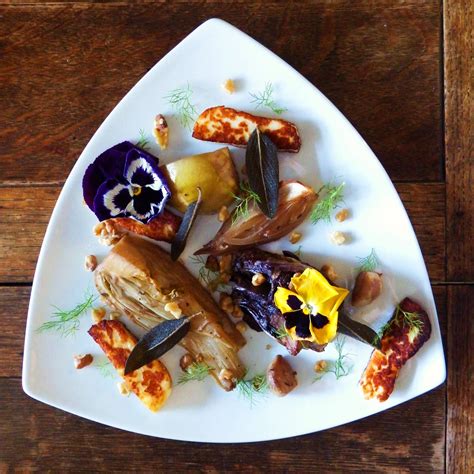
Choosing the Right Canvas: Plates and Bowls
The serving dish itself plays a significant role. A simple white plate often works best as it provides a neutral background that makes the colors of the vegetables stand out. Consider the size of your plate; too large, and the portion can look meager; too small, and it can appear messy and overcrowded. Sometimes, a shallow bowl can be ideal for roasted vegetables, especially if they have a light sauce, as it helps contain the ingredients and prevents them from scattering.
Mastering the art of plating roasted vegetables is a rewarding skill that elevates your culinary creations. By paying attention to arrangement, color, texture, and thoughtful garnishes, you can transform simple ingredients into a dish that delights the senses and maximizes both visual appeal and delicious flavor. Experiment, have fun, and let your creativity shine through!