How to plate simple recipes for stunning, share-worthy visual feeds?
Beyond the Taste: The Art of Visual Food Presentation
Whether you’re a home cook looking to impress dinner guests or a food blogger aiming for that perfect Instagram shot, the visual appeal of your dish is just as important as its taste. Transforming simple recipes into stunning, share-worthy culinary masterpieces doesn’t require gourmet skills; it simply demands an understanding of a few fundamental plating principles. Let’s dive into how you can elevate your everyday meals from delicious to dazzling.
The Foundation of Fabulous Plating
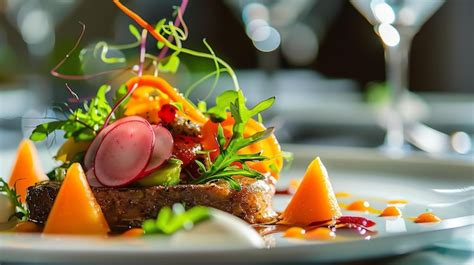
Achieving a striking presentation begins with understanding the core elements: color, texture, and height. Think of your plate as a canvas and your food as the paint. A monochromatic dish can be made vibrant with a splash of contrasting sauce or a fresh herb garnish. Varied textures – crispy, creamy, crunchy, smooth – add interest and complexity. And don’t shy away from building up; creating height can make a dish look more substantial and professional.
Consider the contrast between a smooth purée and crunchy croutons, or the vibrant pop of fresh green herbs against a rich brown stew. These contrasts engage the eye and invite a deeper appreciation of the meal.

Choosing Your Canvas – The Right Plate
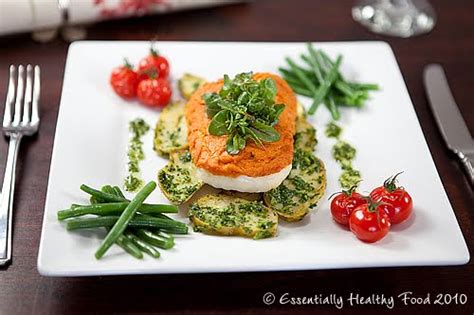
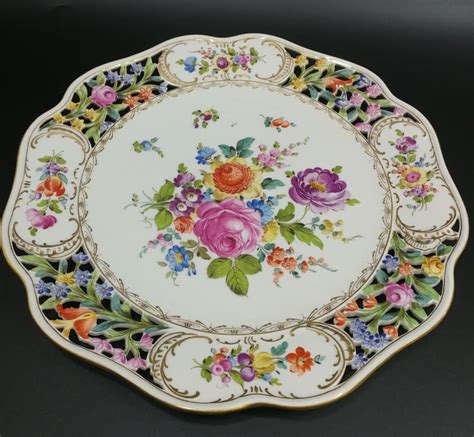
The plate itself plays a crucial role. While white plates are often preferred by chefs for their ability to make colors pop, don’t limit yourself. Darker plates can create dramatic contrasts, especially with lighter-colored foods. Consider the size and shape as well; a larger plate provides more “negative space,” allowing your food to breathe and stand out, rather than appearing crowded. A square plate can offer a modern aesthetic, while a classic round plate always works.
Size Matters
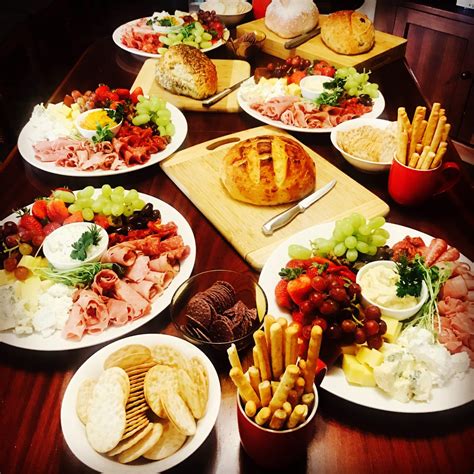
A common mistake is overloading the plate. Remember, less is often more. Leave ample space around your main components; this negative space draws the eye to the food and makes the presentation feel deliberate and elegant.
Strategic Arrangement and the Rule of Odds
Once you have your components and plate, it’s time to arrange. A popular guideline in plating is the “rule of odds,” which suggests that items arranged in odd numbers (e.g., three asparagus spears, five scallops) are more visually appealing and natural than even numbers. Think about creating a focal point – one element that immediately catches the eye, around which other elements are arranged.
You can use classic arrangements like the ‘clock face’ method (protein at 6 o’clock, starch at 9 o’clock, vegetables at 3 o’clock) or opt for more organic, free-flowing designs. The key is balance and intentionality.
The Art of Saucing and Garnishing
Sauces aren’t just for flavor; they’re essential for visual appeal. Instead of simply drenching your food, try swooshing a sauce across the plate with a spoon, creating an artistic streak, or strategically dolloping it around your main components. Squeeze bottles are excellent tools for precise lines and dots.
Garnishes: The Finishing Touch
Garnishes add that final sparkle. Fresh herbs (parsley, cilantro, dill), microgreens, edible flowers, a sprinkle of toasted nuts or seeds, or even a citrus zest can brighten a dish, add texture, and provide a pop of color. Just ensure your garnish is relevant to the dish’s flavor profile and not just there for show.

Lighting and the Camera’s Eye
While technically part of photography, good lighting is paramount if your goal is share-worthy visuals. Natural, indirect light is your best friend. Avoid harsh overhead lights or direct sunlight. Position your plate near a window and use a white board or reflector to bounce light back onto the dish, minimizing shadows and making colors vibrant.
Experiment with different angles. Overhead shots work well for bowls and intricately arranged plates, while a slightly elevated angle can showcase height and texture. A little bit of styling with cutlery or a linen napkin can complete the scene.

Practice Makes Perfect
Plating is a skill that improves with practice. Start with one or two techniques on your next simple meal. Pay attention to how professional chefs plate their dishes in restaurants or online. Soon, you’ll find yourself intuitively creating visually stunning presentations that not only taste incredible but also look amazing enough to share with pride. Happy plating!