How to plate vibrant dishes for drool-worthy food photography?
In the age of social media, a delicious dish is no longer enough; it also needs to be a feast for the eyes. Food photography has elevated the art of cooking, making plating an indispensable skill for home cooks and professional chefs alike. Learning how to plate vibrant dishes is key to creating images that evoke an instant desire to taste, turning casual browsers into drooling admirers. This guide will walk you through the essential techniques to make your food pop on camera.
The Art of Visual Appeal
Plating isn’t just about arranging food; it’s about telling a story, highlighting textures, and showcasing the dish’s best attributes. For photography, this means paying meticulous attention to detail, understanding how colors interact, and creating a sense of balance and flow. A well-plated dish can elevate simple ingredients into a gourmet experience, making it irresistible to both the eye and the palate.
Color is Your Canvas
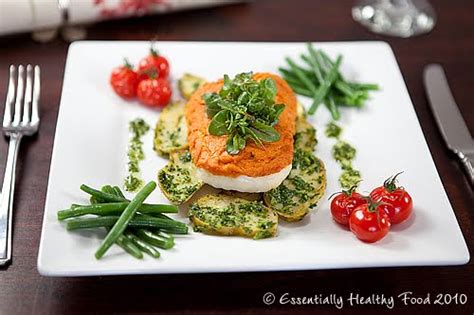
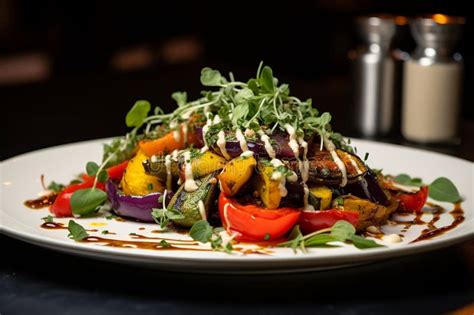
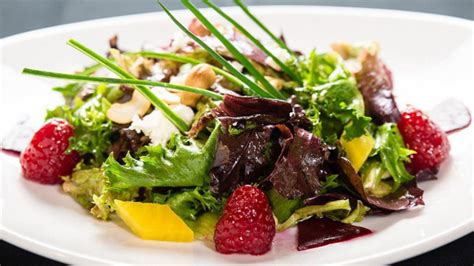
One of the most impactful elements in creating vibrant food photography is color. Think of your plate as a painter’s canvas. Aim for a harmonious blend of contrasting colors that naturally occur in fresh ingredients. Utilize bright, fresh vegetables, colorful sauces, and naturally vibrant proteins to build visual interest. Don’t be afraid to experiment with a spectrum of hues, but ensure they complement each other rather than clash.
Harnessing Natural Vibrancy
- Freshness is Key: Always use the freshest ingredients possible. Bright green herbs, ruby red berries, and crisp vegetables photograph much better than dull, wilted alternatives.
- Contrasting Colors: Pair complementary colors to make them stand out. For example, a bright red tomato sauce against a creamy white pasta, or green herbs atop a rich brown stew.
- Sauce and Puree Swirls: Use colorful sauces or purees to add splashes of color and create interesting patterns on the plate.
Texture and Dimension
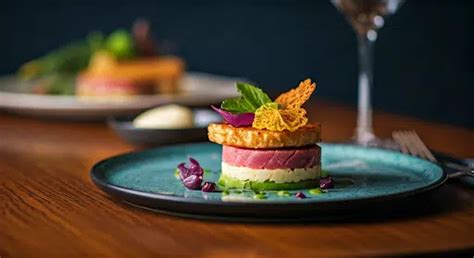
Flat food is boring food, especially in a photograph. Adding varying textures and heights creates depth and dimension, drawing the viewer’s eye across the plate. Think about layers, stacking elements, and incorporating crispy, crunchy, soft, and smooth components. This interplay of textures makes the dish visually dynamic and intriguing.
Mastering Composition and Placement
Composition is critical in food photography. Where you place each element on the plate dictates how the eye perceives the dish. The ‘rule of thirds’ can be a great starting point, placing your main subject off-center for a more engaging photo. Create a clear focal point, and use negative space strategically to allow your main ingredients to breathe and stand out.
Key Composition Tips:
- Focal Point: Decide on the star of your dish and ensure it’s prominently displayed.
- Rule of Odds: Dishes with an odd number of components tend to be more visually appealing.
- Clean Plate Edge: Keep the edges of your plate clean and free of smears for a professional look.
Garnish with Purpose
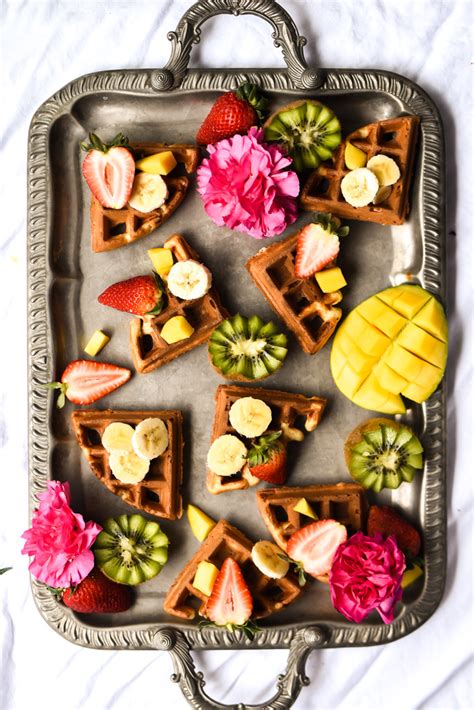
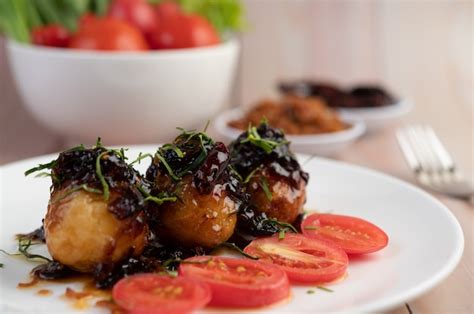
Garnishes are not just an afterthought; they are the jewelry of your dish, providing that final touch of vibrancy and finesse. Fresh herbs, edible flowers, citrus zest, toasted nuts, and microgreens can add bursts of color, texture, and aroma. Always choose garnishes that complement the flavors of the dish, enhancing its appeal rather than detracting from it.
Tools of the Plating Trade
While creativity is paramount, having the right tools can make a significant difference. Squeeze bottles are excellent for precise sauce application, while plating tweezers allow for delicate placement of small garnishes. A clean, white plate often serves as the best backdrop, letting your colorful food truly shine. Other useful tools include ring molds for shaping, small offset spatulas, and oil brushes.
Lighting and Props (Brief Mention)
Even the most perfectly plated dish can fall flat under poor lighting. Natural, soft light is generally the most flattering for food photography. Position your plate near a window and use a diffuser if the light is too harsh. Keep props minimal and complementary; their role is to enhance the dish, not overshadow it.
Practice Makes Perfect
Plating is a skill that improves with practice. Don’t be discouraged if your first attempts aren’t perfect. Experiment with different arrangements, sauces, and garnishes. Take photos from various angles to see what works best. Study food magazines, cookbooks, and social media for inspiration, and gradually develop your unique plating style. The more you practice, the more intuitive the process will become, and the more stunning your food photography will be.
Conclusion
Transforming your culinary creations into drool-worthy visual masterpieces for food photography is an exciting journey that combines cooking with artistic expression. By focusing on color, texture, thoughtful composition, purposeful garnishing, and continuous practice, you’ll master the art of plating vibrant dishes. So grab your ingredients, set the scene, and prepare to capture truly irresistible food photos that will leave everyone craving a bite!