How to prep vibrant, real food meals visually appealing for weekly feeds, minimizing kitchen time?

Eating healthy and delicious real food doesn’t have to mean spending hours in the kitchen every day. With a smart approach to meal prepping, you can enjoy a week of vibrant, visually appealing, and nutritious meals while reclaiming precious time. The secret lies in a combination of strategic planning, efficient cooking techniques, and an understanding of how to make your food look as good as it tastes.
The Power of Visual Appeal: Eating with Your Eyes First
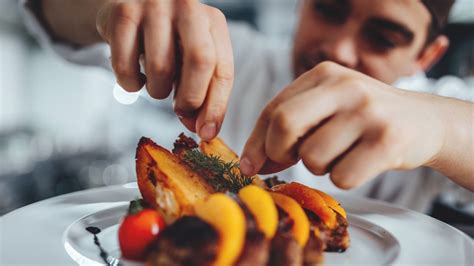
We often underestimate the role aesthetics play in our enjoyment of food. A meal that looks appealing is inherently more satisfying. When meal prepping, think about color, texture, and arrangement to elevate simple ingredients into culinary masterpieces.
- Embrace a Rainbow: Incorporate a wide array of colorful vegetables and fruits. Red bell peppers, green spinach, purple cabbage, orange carrots, and yellow corn not only add nutritional diversity but also make your plate pop.
- Texture Contrast: Combine soft elements with crunchy ones. Think roasted sweet potatoes (soft) with toasted nuts or seeds (crunchy), or creamy avocado with crisp cucumber.
- Strategic Garnishes: A sprinkle of fresh herbs (parsley, cilantro, dill), a dash of sesame seeds, a squeeze of lemon, or a drizzle of olive oil can instantly brighten and finish a dish, making it look professionally prepared.

Time-Saving Tactics for the Busy Cook
Minimizing kitchen time is paramount for sustainable weekly meal prep. This requires a shift from cooking individual meals to a more systematic, batch-oriented approach.
- Batch Cooking Proteins: Cook larger quantities of your chosen protein (chicken breast, ground turkey, lentils, tofu) early in the week. These can then be portioned and used in different meals throughout the week.
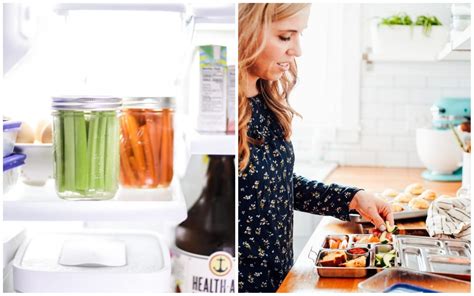
- Strategic Vegetable Prep: Dedicate an hour to chopping, dicing, and slicing all your vegetables for the week. Store them in airtight containers, ready to be added to stir-fries, salads, or roasted dishes.
- One-Pan Wonders and Sheet Pan Meals: Maximize oven space by roasting multiple vegetables and proteins on a single sheet pan. This method requires minimal active cooking time and makes cleanup a breeze.
- Pressure Cookers and Slow Cookers: Utilize these appliances for hands-off cooking of grains, stews, and tough cuts of meat, freeing you up to do other tasks.
Crafting Vibrant Meal Components and Combos
Successful meal prep involves thinking in components rather than full recipes. This allows for flexibility and variety, preventing meal fatigue.
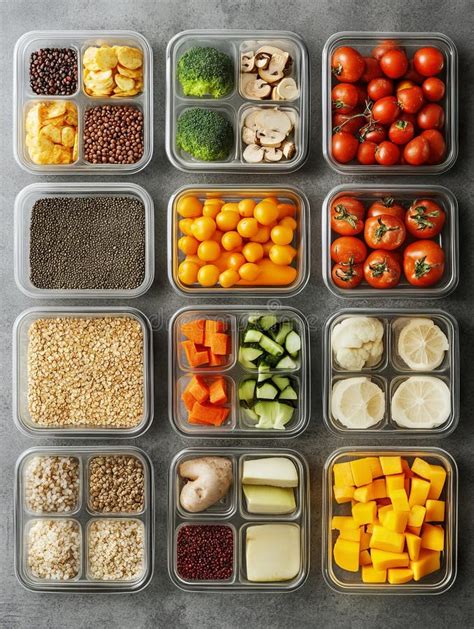
- Base Grains/Carbs: Cook a large batch of quinoa, brown rice, farro, or roasted sweet potatoes. These form the foundation of many meals.
- Versatile Proteins: Prepare seasoned chicken, salmon, chickpeas, or hard-boiled eggs that can be easily repurposed for salads, bowls, or wraps.
- Abundant Vegetables: Roast a medley of broccoli, bell peppers, zucchini, and onions. Keep fresh greens like spinach and mixed lettuce on hand.
- Homemade Dressings and Sauces: Whisk up a batch of vinaigrette or a simple tahini dressing. Store dressings separately to prevent salads from becoming soggy.
Your Weekly Meal Prep Workflow for Visual Appeal
Follow a structured workflow to ensure efficiency and aesthetic excellence:
- Plan Your Menu: Choose 3-4 diverse meals for the week, ensuring a good mix of colors and textures. Write a detailed grocery list.
- Shop Smart: Stick to your list to save time and money. Focus on fresh, seasonal produce.
- Prep & Chop: Wash, chop, and portion all produce. Store raw components efficiently.
- Batch Cook: Cook your grains, proteins, and roasted vegetables.
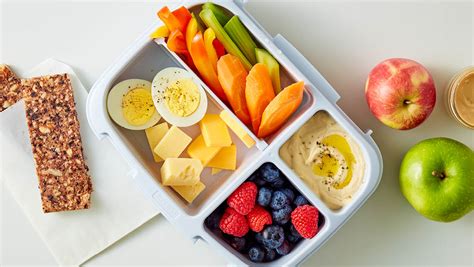
- Assemble & Store: Once components are cooled, assemble your meals directly into individual airtight containers. When assembling, arrange ingredients neatly, thinking about how they’ll look when opened. Place greens on the bottom, then grains, protein, and colorful veggies on top. Keep sauces/dressings in separate small containers.
Storage and Reheating for Optimal Freshness
Proper storage is key to maintaining both the safety and appeal of your prepped meals.
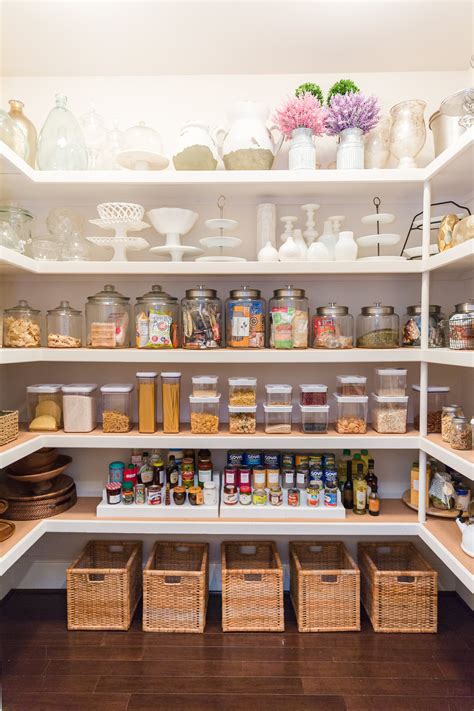
- Airtight Containers: Invest in high-quality glass or BPA-free plastic containers with secure lids. Clear containers allow you to see your beautiful creations.
- Separate Components: For meals like salads, keep wet ingredients (dressing, juicy tomatoes) separate from dry ones (greens, croutons) until serving to prevent wilting and sogginess.
- Cool Completely: Always ensure food is fully cooled before lidding and refrigerating to prevent condensation and bacterial growth.
- Reheating Mindfully: Reheat only the portion you plan to eat. For best results, use an oven or toaster oven for roasted vegetables and proteins to restore texture, rather than just a microwave.
Meal prepping vibrant, visually appealing real food meals for your weekly feeds is a rewarding practice that nourishes both body and mind. By combining smart planning, efficient cooking, and a touch of artistic arrangement, you can enjoy delicious, healthy food all week long without feeling chained to your kitchen. Start small, experiment with colors and textures, and soon you’ll be a meal prep master.