How to prevent sauces from dulling vibrant ingredients in recipe photos?
The Art of Preserving Vibrancy
Recipe photos are all about enticing the viewer, making them almost taste the dish through the screen. A crucial element of this visual allure is the vibrant color and texture of your ingredients. However, sauces, while delicious, often pose a challenge: they can easily obscure and dull the very ingredients you want to highlight. Mastering the art of saucing for photography ensures your dishes look as good as they taste.

Understanding the Sauce Challenge
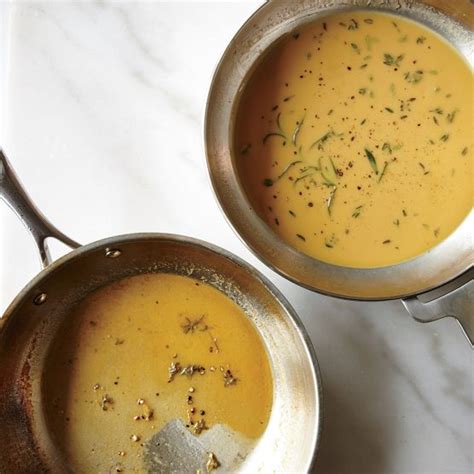
Sauces, by their nature, are designed to coat, meld, and sometimes even obscure. This is fantastic for flavor, but less so for visual clarity. Thick, opaque sauces can hide the crispiness of a vegetable or the sear on a piece of protein. Dark sauces can make a colorful dish appear monochromatic, losing the pop of individual components. The goal in food photography is to find a balance where the sauce enhances, rather than detracts from, the ingredients’ natural beauty.
Strategic Sauce Application for Photography
The key to preventing dullness lies in how you apply the sauce. It’s not about skimping on flavor, but about smart presentation for the camera.
Less is More (Initially)
For the initial shots, consider applying less sauce than you typically would for eating. You can always add more later for subsequent shots or for serving. This allows the primary ingredients to breathe and their colors to show through.
Precision Placement
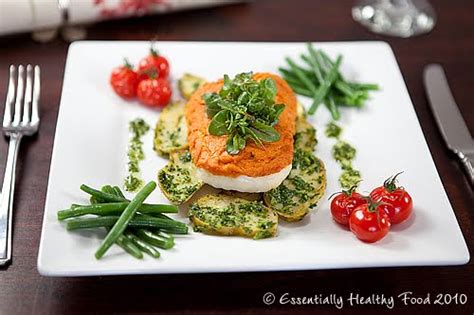
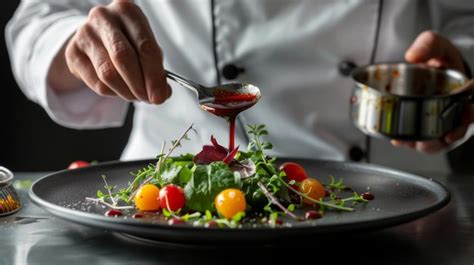
Instead of drowning ingredients, think about precise application. Drizzle sauces artfully, create dollops, or brush a thin layer onto specific areas. A squeeze bottle or a spoon can be your best friend here, giving you control over where the sauce lands.
The ‘Half-Sauced’ Look
A popular technique is to show a dish partially sauced. For example, if you have a pasta dish, plate some pasta neatly, and then gently pour or drizzle sauce over only a portion, leaving some strands or ingredients uncovered to showcase their texture and color.
Sauce as a Garnish Element
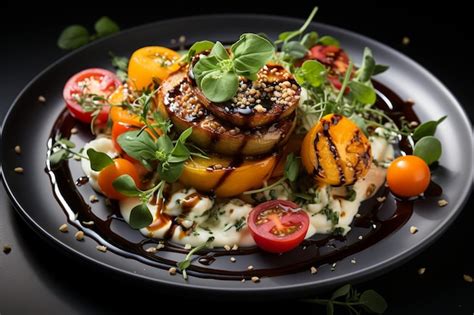
Treat the sauce itself as a garnish. Swirl it on the plate before adding the main ingredients, or create artistic dots and lines around the main dish, letting the vibrancy of the food itself be the star.
Elevating Ingredient Separation and Contrast
Beyond how you apply sauce, consider how you arrange your ingredients to maintain their visual integrity.
Building Layers Thoughtfully
Arrange your ingredients in layers, ensuring that the most vibrant elements are placed on top or peeking out from under other components. For instance, put fresh herbs or thinly sliced colorful vegetables on top of a sauced protein.
Creating Visual Barriers
Sometimes, a physical barrier can help. A bed of vibrant greens, a piece of crisp bread, or even the rim of the plate can act as a natural divider, preventing an overly generous sauce from completely engulfing the star ingredients.
Emphasize Textural Contrast
Even with sauce, you can emphasize texture. Highlight crisp edges, flaky layers, or the smooth sheen of a perfectly cooked item. Texture adds depth and visual interest, preventing the dish from looking like a flat, saucy blob.
Lighting and Post-Processing for Brilliance
Even with perfect saucing, good lighting and thoughtful editing are crucial to making colors pop.
Master Your Lighting
Soft, diffused natural light is often best. It helps reveal the nuances of color and texture without creating harsh shadows that can further obscure details. Position your dish so that the light highlights the vibrancy of the ingredients and the sheen of the sauce, rather than flattening it.

Thoughtful Post-Production
Use editing software to enhance, not create. Adjust white balance to ensure colors are true-to-life. A slight increase in saturation, contrast, or clarity can make a significant difference, but be careful not to overdo it, as this can make the image look unnatural. Selective adjustments can brighten specific areas without affecting the entire image.
Conclusion
Preventing sauces from dulling vibrant ingredients in recipe photos is a blend of careful planning, strategic application, and smart post-production. By treating your sauce as an enhancing element rather than a blanket, and by giving your ingredients the space to shine, you can create food photography that is both appetizing and visually stunning, truly capturing the essence of your culinary creations.