How to prevent soggy salad greens & keep crunch?
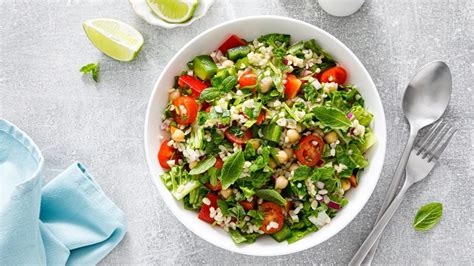
Few things are as disappointing as reaching for a fresh, vibrant salad only to find a sad, soggy mess. The dreaded wilting of salad greens is a common kitchen woe, turning what should be a crisp and refreshing meal into a watery disappointment. But fear not, salad lovers! Preventing soggy greens and keeping that satisfying crunch is entirely achievable with a few simple techniques and a little know-how. Let’s dive into the secrets to a perfectly crisp salad every time.
The Root Cause of Soggy Salads
At its heart, the enemy of crisp salad greens is excess moisture. While washing your greens is crucial for hygiene, lingering water droplets on the leaves are the primary culprit behind sogginess. This moisture breaks down the cell walls of the greens, leading to that limp, unappetizing texture. Understanding this fundamental principle is the first step towards salad perfection.
The Salad Spinner: Your Best Friend
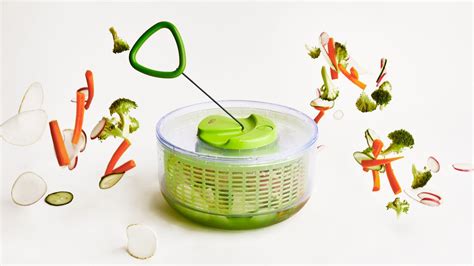
If you don’t already own one, a salad spinner is an indispensable tool in the quest for crisp greens. After rinsing your greens thoroughly under cool water, load them into the spinner. The centrifugal force effectively removes excess water without bruising the delicate leaves. Spin until no more water collects at the bottom of the bowl. For best results, consider spinning in two batches if you have a large quantity of greens.
Mastering the Drying Process
Even after a good spin, a tiny bit of moisture might remain. For truly crisp greens, a final pat-down is often necessary. Gently spread your spun greens over a clean kitchen towel or several layers of paper towels. Roll them up loosely or gently pat them dry. The goal is to remove as much surface moisture as possible without damaging the leaves. This step is critical for long-term crispness, especially if you plan to store your greens.
Smart Storage Solutions for Crispness
Once your greens are impeccably dry, proper storage is key to maintaining their crunch. The best method involves lining an airtight container or a large resealable bag with a dry paper towel. Place your greens on top, then cover them with another dry paper towel before sealing the container or bag. The paper towels will absorb any residual moisture, keeping the greens fresh and crisp for days in the refrigerator. Change the paper towels if they become damp.

Timing is Everything: Dressing Your Salad
Another major cause of soggy salad is dressing it too early. Acidic components in vinaigrettes and creamy dressings begin to break down the delicate structure of salad greens almost immediately. Always dress your salad just before serving. If you’re packing a salad for lunch, carry the dressing in a separate small container and add it right before you eat. This simple habit will transform your salad experience.

Separation is Key: Beyond the Greens
While greens are the main focus, other watery ingredients can also contribute to a soggy salad. Juicy tomatoes, cucumbers, and other high-moisture vegetables should be added to your salad just before serving, or kept separate until ready to combine. The same goes for croutons, nuts, and seeds; add them at the last minute to prevent them from becoming soft and unappetizing.
Choose Your Greens Wisely
While all greens can benefit from these techniques, some varieties are naturally more robust and forgiving than others. Romaine, kale, endive, and sturdy mixed greens tend to hold up better than more delicate varieties like butter lettuce or tender spring mixes. If you’re new to the crisp salad journey, starting with more resilient greens can build your confidence.
Reviving Wilting Greens
Accidentally let your greens go a little limp? Sometimes, you can bring them back to life. Submerge them in a bowl of ice water for about 15-30 minutes. The cold water helps the leaves rehydrate and firm up. Afterward, follow the thorough drying and storage steps outlined above to enjoy your refreshed greens.
With these straightforward tips, the days of soggy salads are officially behind you. Embrace the salad spinner, master the art of drying, store your greens intelligently, and always dress at the last moment. Your taste buds—and your salads—will thank you for the extra effort, rewarding you with a perfectly crisp and satisfying meal every single time.