How to prevent soggy vegetables and keep them vibrant for visually stunning dishes?

The Culinary Quest for Crispness and Color
There’s nothing quite as disappointing as a dish marred by dull, lifeless, and soggy vegetables. Instead of adding a burst of flavor and a pleasing textural contrast, they can diminish the entire dining experience. Yet, keeping vegetables crisp and vibrant isn’t just about aesthetics; it’s about preserving their nutritional value and ensuring every bite is as delicious as it looks. The secret lies in understanding the science behind vegetable preparation and applying a few key techniques.
From a simple weeknight stir-fry to an elaborate holiday roast, the quality of your vegetables can make or break a meal. This guide will walk you through essential strategies, from smart storage to precise cooking methods, to ensure your greens stay gloriously green, your reds brilliantly red, and your textures perfectly firm.
Understanding the Enemy: What Makes Veggies Soggy?
Sogginess in vegetables primarily comes down to two factors: excessive moisture and overcooking. Vegetables are packed with water, and when cooked improperly, this water can be released too quickly, leading to a mushy texture. Overcooking breaks down cell walls, causing vegetables to lose their structural integrity and vibrant color, often turning them drab and soft.
Common culprits include overcrowding the pan, which lowers the cooking temperature and steams rather than sears; adding salt too early, which draws out moisture; and simply cooking for too long at too low a heat. Recognizing these pitfalls is the first step toward culinary success.
Pre-Cooking Prep: The Foundation of Freshness
The journey to vibrant, crisp vegetables begins long before they hit the pan. Proper storage and preparation are critical:
- Smart Storage: Keep vegetables cool and dry. Moisture is the enemy of crispness. Leafy greens should be washed, thoroughly dried, and then stored in airtight containers lined with paper towels to absorb any lingering dampness. Root vegetables prefer cool, dark, and slightly humid environments.
- Thorough Drying: After washing, ensure your vegetables are completely dry. Use a salad spinner for greens or pat them meticulously with a clean kitchen towel. Any residual water will steam the vegetables instead of allowing them to sear or roast, leading to a limp outcome.
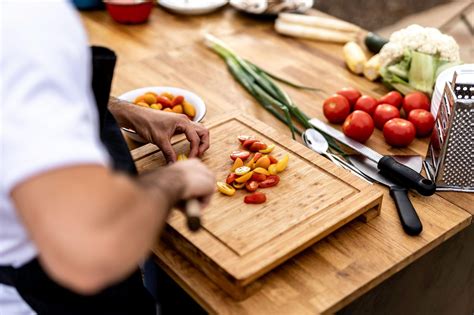
- Uniform Cutting: Cut vegetables into pieces of similar size and thickness. This ensures even cooking, preventing some pieces from becoming overcooked and soggy while others remain undercooked.
Mastering Cooking Techniques for Optimal Texture
The method you choose for cooking can dramatically impact the final texture and appearance of your vegetables:
- High-Heat, Quick Cooking: For most vegetables, short bursts of high heat are ideal. Methods like stir-frying, sautéing, and roasting create a beautiful caramelized exterior while keeping the interior crisp-tender. Ensure your pan or oven is preheated sufficiently.
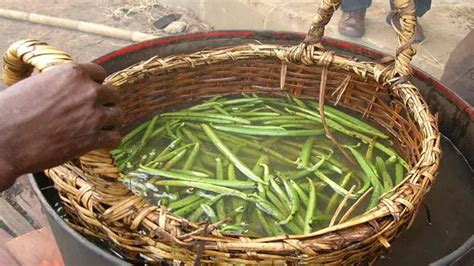
- Blanching and Shocking: For specific vegetables like broccoli, green beans, or asparagus, blanching followed by an immediate ice bath (shocking) is a game-changer. This process halts the cooking, sets the color, and preserves a firm texture.

- Steaming with Care: While steaming is healthy, it’s easy to overdo it. Steam vegetables just until they are tender-crisp, not soft. A quick test with a fork will tell you when they’re ready.
- Don’t Overcrowd the Pan: This is crucial for stir-frying and roasting. Overcrowding lowers the temperature, preventing proper searing and causing vegetables to steam in their own juices. Cook in batches if necessary, allowing vegetables enough space to brown.
- Mind Your Salt: Add salt towards the end of the cooking process, especially for stir-fries and sautés. Salt draws out moisture, and adding it too early can lead to watery, soggy vegetables.
- Add Vegetables at the Right Time: When incorporating vegetables into stews, curries, or casseroles, add them closer to the end of the cooking time to prevent them from becoming mushy after prolonged simmering.
Quick Tips for Common Vegetables
- Broccoli & Cauliflower: Blanch briefly or roast at high heat.
- Green Beans: Blanch and shock, or quick sauté.
- Bell Peppers: Stir-fry quickly for crispness, or roast until tender-crisp.
- Leafy Greens (Spinach, Kale): Sauté very quickly until just wilted. Overcooking will turn them slimy.
- Root Vegetables (Carrots, Potatoes): Roast at higher temperatures for a crispy exterior, or boil/steam until just tender, then finish with a quick sear.

Conclusion: Elevate Your Dishes with Perfect Produce
Preventing soggy vegetables and maintaining their vibrant appeal is a skill that significantly elevates your home cooking. By paying attention to proper storage, ensuring thorough drying, using uniform cuts, and employing smart, high-heat cooking methods, you can consistently achieve vegetables that are not only visually stunning but also bursting with flavor and delightful texture. Embrace these techniques, and transform your meals from good to truly gourmet.