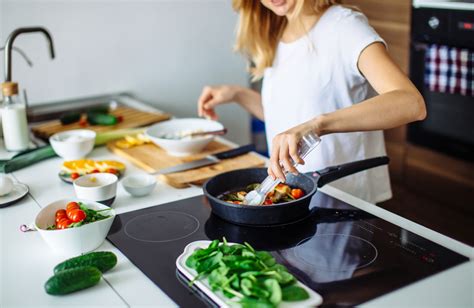
How to prevent soggy vegetables in stir-fries while maintaining vibrant crunch?

There’s nothing quite as disappointing as a stir-fry featuring dull, mushy vegetables when you were aiming for bright, crisp bites. The secret to a perfect stir-fry lies in preventing your vegetables from becoming a steamed, watery mess. It’s a common culinary challenge, but with a few targeted techniques, you can ensure your vegetables retain their vibrant color and delightful crunch every time.
Understanding the Soggy Culprit: Moisture and Heat
Vegetables naturally contain a lot of water. When subjected to moderate heat, this water is released, turning your stir-fry pan into a steamer. Instead of achieving that beautiful sear and slight caramelization, the vegetables boil in their own liquids. The goal of a stir-fry is to cook ingredients quickly and intensely over high heat, allowing them to brown slightly while retaining their texture. Understanding this fundamental process is the first step towards crisp perfection.
The Foundation: Proper Vegetable Preparation
Choosing and Cutting Your Vegetables
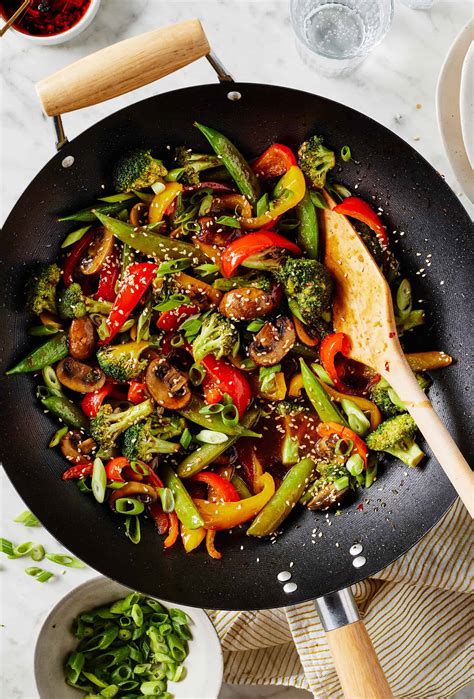
Start with fresh, firm vegetables. Overly ripe or wilting produce will already have compromised texture. Cut all your vegetables into uniform sizes and shapes. This ensures they cook evenly. If some pieces are large and others small, the smaller ones will overcook and become soggy before the larger ones are done. Think about the density of different vegetables; denser ones like carrots or broccoli stems might need smaller cuts or a head start.
Drying is Key to Crispness
Any surface moisture on your vegetables will turn to steam as soon as it hits the hot pan, instantly lowering the temperature and hindering browning. After washing, thoroughly dry your vegetables using a salad spinner or by patting them down with a clean kitchen towel or paper towels. This crucial step is often overlooked but makes a significant difference.
Mastering the Stir-Fry Technique
High Heat, Hot Wok
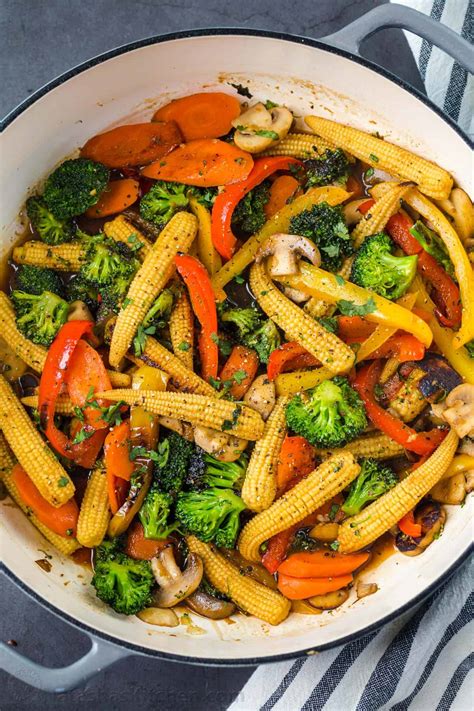
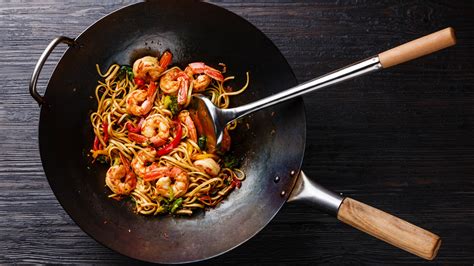
A stir-fry needs intense, sustained heat. Preheat your wok or large, heavy-bottomed skillet over high heat until it’s smoking lightly before adding any oil. This creates a super-hot surface that immediately sears the vegetables, locking in their juices and preventing them from releasing excess moisture too quickly. Using a wok is ideal due to its sloped sides and even heat distribution, but a large cast-iron skillet can also work well.
Oil and Order of Addition
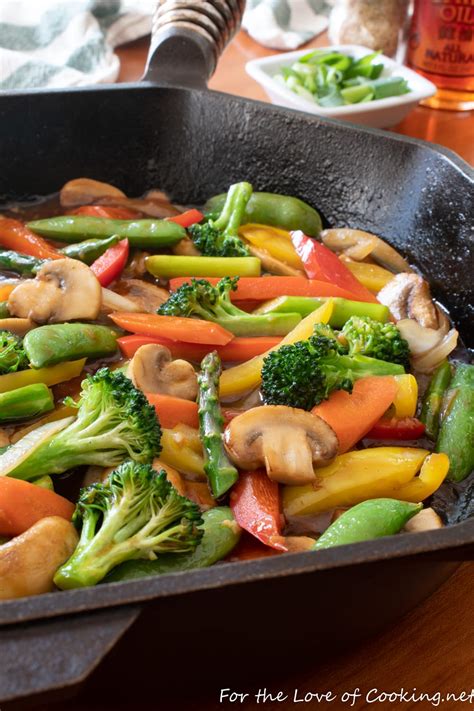
Use an oil with a high smoke point, such as peanut, canola, or grapeseed oil. Add just enough to coat the pan; too much oil will deep-fry rather than stir-fry. Introduce vegetables in stages based on their cooking time. Denser, harder vegetables like carrots, broccoli florets, and bell peppers should go in first. Softer, quicker-cooking ones like snow peas, mushrooms, or leafy greens should be added later, closer to the end of the cooking process.
Don’t Overcrowd the Pan
This is perhaps the most critical rule. Overcrowding the pan instantly lowers the temperature, turning your high-heat stir-fry into a low-heat stew. The vegetables will steam rather than sear. If you’re cooking a large batch, stir-fry in smaller portions. Cook one batch, remove it to a separate bowl, then cook the next. You can combine everything at the very end.
Quick Cooking and Sauce Timing
Stir-frying is a rapid process. Most vegetables should be cooked for only a few minutes until they are tender-crisp. Constant stirring ensures even cooking and prevents burning. Add your stir-fry sauce only during the last minute or two of cooking. Adding it too early will introduce liquid that steams the vegetables and can make them soggy.
Tips for Maintaining Vibrant Color and Crunch
- Blanching (Optional): For very dense vegetables like broccoli or green beans, a quick 30-60 second blanch in boiling water followed by an ice bath can give them a head start and set their vibrant color, but ensure they are thoroughly dried before stir-frying.
- Serving Immediately: Stir-fries are best enjoyed fresh off the wok. The longer they sit, especially with sauce, the more likely the vegetables are to lose their crispness.

Conclusion: Crisp, Flavorful Stir-Fries Await
Preventing soggy vegetables in your stir-fries comes down to a combination of careful preparation, aggressive heat, and smart technique. By thoroughly drying your vegetables, cutting them uniformly, preheating your pan to a screaming hot temperature, cooking in batches, and timing your sauce addition just right, you’ll consistently achieve stir-fries with vegetables that are beautifully vibrant and delightfully crunchy. Embrace these strategies, and elevate your home-cooked stir-fries to a professional level.