How to prevent soggy vegetables when stir-frying for vibrant crunch?

Stir-frying is a beloved cooking method for its speed and the delightful texture it imparts to vegetables. However, many home cooks struggle with turning vibrant, crisp produce into a soggy, watery mess. The good news is that preventing soggy stir-fries is entirely achievable with a few fundamental techniques. Let’s delve into the secrets to maintaining that irresistible crunch.
The Foundation: Proper Preparation is Key
The journey to a crunchy stir-fry begins long before the pan even touches the heat. Proper preparation is paramount. Start by washing all your vegetables thoroughly. Once washed, the most critical step is to ensure they are completely dry. Excess moisture will steam rather than sear when it hits the hot pan, leading to limp vegetables.
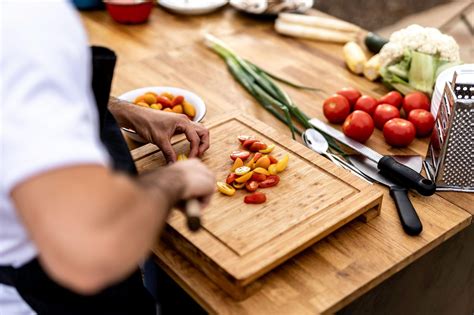
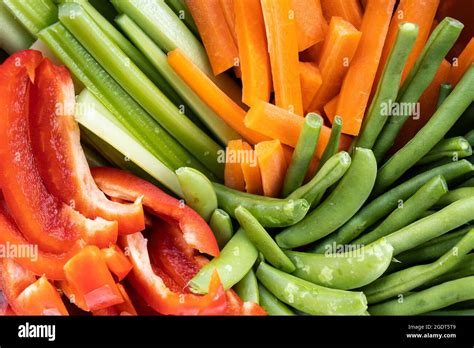
Next, focus on uniform cutting. Different vegetables cook at different rates, so cutting them into similar-sized pieces, or at least grouping them by cooking time (e.g., harder vegetables like carrots and broccoli florets cut smaller than softer ones like bell peppers), ensures even cooking. This prevents some pieces from overcooking while others remain raw.
Master the Heat: High and Consistent
Stir-frying literally means ‘frying with stirring’ over high heat. This high temperature is essential for searing the exterior of the vegetables quickly, locking in their moisture and maintaining their crispness. Always preheat your wok or large skillet over high heat until it’s smoking slightly before adding oil. Then, add a high smoke point oil (like peanut, canola, or grapeseed oil) and let it heat up until shimmering.
Avoid Overcrowding the Pan
This is one of the most common mistakes that leads to soggy stir-fries. When you cram too many vegetables into the pan, the temperature drops drastically, and the moisture released from the vegetables doesn’t have a chance to evaporate. Instead of searing, the vegetables end up steaming in their own juices. The solution? Cook in batches. It might seem like an extra step, but cooking smaller portions ensures consistent high heat and allows the vegetables to brown properly.
The Right Order Matters
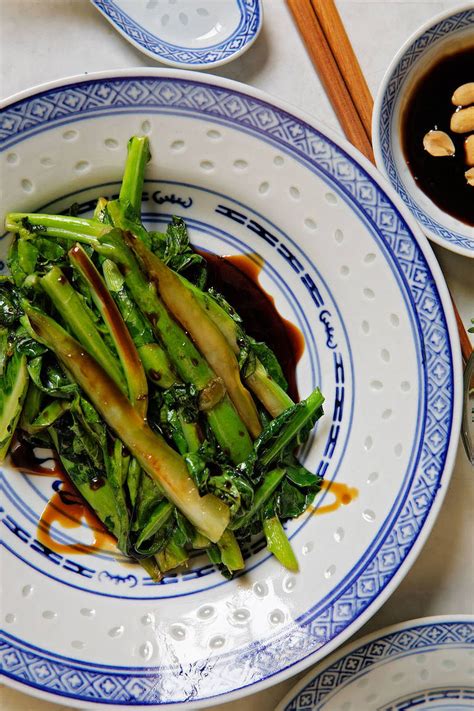
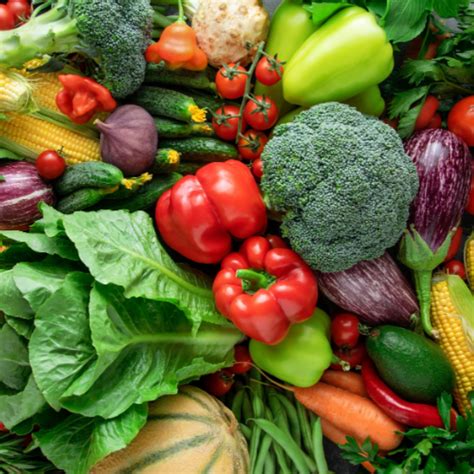
To ensure everything cooks perfectly, add vegetables to the wok based on their density and cooking time. Harder, denser vegetables like carrots, broccoli, and green beans should go in first, as they require more time to soften. Softer, quicker-cooking vegetables such as bell peppers, mushrooms, snow peas, and leafy greens (like spinach or bok choy) should be added later. Delicate items like sprouts should only be tossed in right at the very end.
Dry Your Produce Thoroughly
We touched on this in preparation, but it bears repeating: bone-dry vegetables are paramount. After washing, use a salad spinner to remove as much water as possible, then spread them out on clean kitchen towels or paper towels and pat them until truly dry. Even a little bit of surface moisture can cool down your pan and lead to steaming.
Quick Cooking and Timing is Everything
Stir-frying is a fast process. Vegetables should cook for only a few minutes until they are crisp-tender, meaning they still have a slight bite but are no longer raw. Overcooking will inevitably lead to a mushy texture. Keep the vegetables moving constantly in the wok to ensure even cooking and to prevent burning. The goal is a quick, intense burst of heat.
Don’t Forget the Sauce
When incorporating sauce into your stir-fry, resist the urge to add it too early. Sauces, especially those containing water or broth, can rapidly lower the pan’s temperature and turn your efforts to crispness into a soggy disappointment. Instead, add your pre-mixed sauce towards the very end of the cooking process, after the vegetables have reached their desired crisp-tender state. Toss quickly to coat, allowing the sauce to thicken slightly, then remove from heat immediately.

Conclusion
Achieving consistently vibrant, crunchy stir-fried vegetables is a culinary triumph that’s well within your reach. By paying close attention to drying your produce, cutting uniformly, preheating your pan to a high temperature, avoiding overcrowding, and timing your additions and sauce correctly, you’ll unlock the secret to perfectly textured stir-fries every time. Embrace these techniques, and say goodbye to soggy vegetables forever!