How to properly store fresh herbs to maximize flavor & shelf life?
Fresh herbs are indispensable for elevating any dish, adding vibrant flavors and aromas that dried alternatives simply can’t match. However, their delicate nature means they can wilt and spoil quickly if not stored correctly, leading to waste and diminished culinary experiences. Mastering the art of herb preservation is a game-changer for any home cook, ensuring your ingredients remain potent and ready for use.
Why Proper Herb Storage Matters
The primary goal of proper herb storage is to slow down the natural process of degradation. When herbs are exposed to air, fluctuating temperatures, or insufficient moisture, they lose essential oils, vibrant color, and firm texture. Effective storage methods can help maintain their cellular structure, minimize bacterial growth, and, most importantly, lock in those volatile compounds responsible for their distinctive flavors and aromas, extending their usability for days or even weeks.
General Principles for All Herbs
Before diving into specific storage methods, a few universal rules apply to most fresh herbs:
- Don’t Wash Until Ready to Use: Excess moisture encourages mold and decay. Only wash your herbs right before you’re about to chop and cook with them.
- Remove Any Ties or Rubber Bands: These can bruise delicate stems and restrict air circulation.
- Inspect and Discard: Remove any wilted, bruised, or yellowed leaves to prevent spoilage from spreading to healthier parts of the bunch.
Method 1: The “Bouquet” Method for Tender Herbs
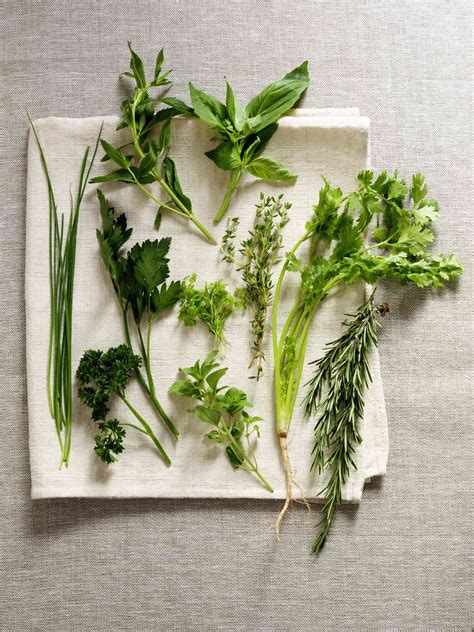
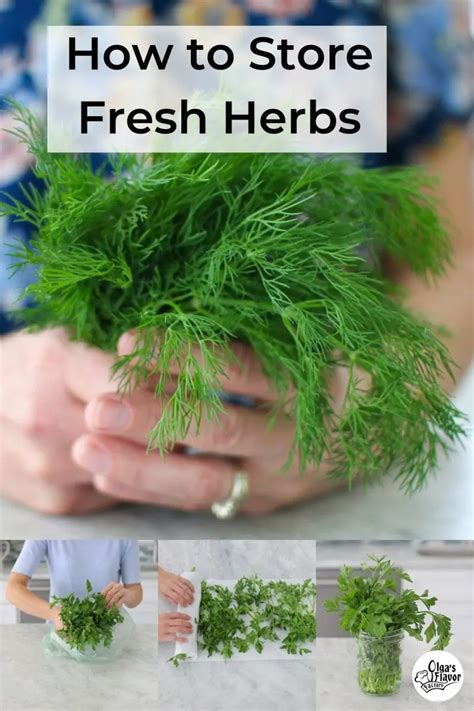
This technique is ideal for soft, leafy herbs like parsley, cilantro, dill, mint, and chives. It mimics storing a bouquet of flowers:
- Trim Stems: Snip about an inch off the bottom of the stems.
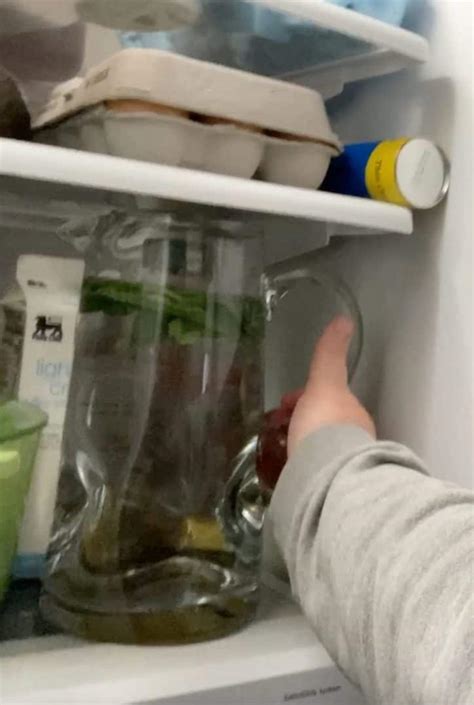
- Place in Water: Stand the herbs upright in a glass or jar with about an inch of fresh water, ensuring only the stems are submerged.
- Cover Loosely: Loosely cover the herbs and jar with a plastic bag (a produce bag works well).
- Refrigerate: Store in the refrigerator. Change the water every couple of days. This method can keep herbs fresh for up to two weeks.
Method 2: The “Burrito” Method for Tender Herbs
An alternative for tender herbs, or if you prefer not to use the bouquet method, is the “burrito” or damp paper towel method:
- Dampen Paper Towels: Lightly dampen two or three paper towels. They should be moist, not soaking wet.
- Wrap Herbs: Lay the herbs flat on the damp paper towels and gently roll them into a loose “burrito.”
- Store in a Bag: Place the wrapped herbs inside a zip-top plastic bag or an airtight container.
- Refrigerate: Store in the crisper drawer of your refrigerator. This can keep herbs fresh for 1-2 weeks.
Method 3: Dry Storage for Hardy Herbs
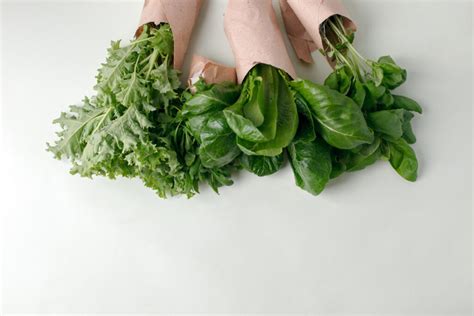
Hardy herbs, such as rosemary, thyme, oregano, and sage, have woody stems and thicker leaves, making them less prone to wilting. They generally prefer a drier environment:
- Wrap in Dry Paper Towel: Wrap the clean, unwashed herbs loosely in a dry paper towel.
- Place in Bag: Place the wrapped herbs into a zip-top plastic bag or an airtight container.
- Refrigerate: Store in the crisper drawer. These herbs can last for 2-3 weeks or even longer with this method.
Special Considerations for Basil
Basil is the prima donna of herbs; it dislikes cold temperatures and can quickly turn black and slimy in the refrigerator. The best way to store basil is:
- At Room Temperature (Bouquet Method): Treat basil like a cut flower. Trim the stems and place the bunch in a jar of water on your kitchen counter, out of direct sunlight. Do not cover it with plastic; basil needs to breathe. Change the water daily.
- Short-Term Refrigeration (Burrito Method): If you must refrigerate basil for a day or two, use the “burrito” method (damp paper towel in an airtight container) and place it in the warmest part of your fridge, such as the door or a crisper drawer.
Long-Term Storage Options: Freezing
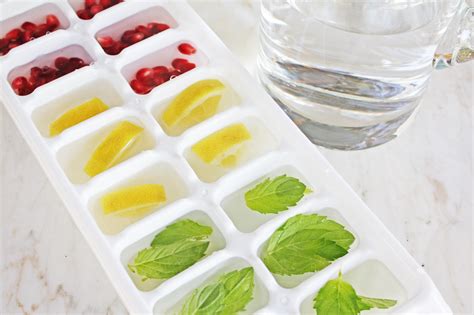
For even longer preservation, freezing is an excellent option for most herbs, especially those you use frequently in larger quantities:
- Herb Cubes: Chop fresh herbs finely and pack them into ice cube trays. Cover with olive oil or water and freeze. Once frozen, pop the cubes out and store them in a freezer-safe bag. These are perfect for adding directly to soups, stews, sauces, or sautéed dishes.
- Blanched and Frozen: For herbs like parsley or cilantro, you can blanch them briefly, purée with a little water or oil, and then freeze the purée in ice cube trays.
Additional Tips for Maximizing Longevity
- Avoid Crushing: Handle herbs gently to prevent bruising, which accelerates spoilage.
- Check Periodically: Even with proper storage, always check your herbs for signs of spoilage before use.
- Consider Herb Keepers: Specialized herb storage containers are available that offer an ideal environment for many types of herbs, combining water reservoir and air circulation features.
By implementing these simple yet effective storage techniques, you can significantly extend the life of your fresh herbs, ensuring you always have vibrant, flavorful ingredients on hand. Say goodbye to wilted greens and hello to a kitchen full of fresh, aromatic possibilities!