How to quick prep vibrant, healthy meals for busy weeknights & reduce food waste?
In the whirlwind of modern life, busy weeknights often leave us craving convenience, sometimes at the expense of our health or the environment. The good news? You can enjoy vibrant, healthy home-cooked meals without hours in the kitchen, and simultaneously slash your food waste. It’s all about smart strategies, efficient techniques, and a little planning. Let’s dive into practical tips that will transform your weeknight routine and your fridge.
The Cornerstone: Strategic Meal Planning
The secret weapon against chaotic weeknights and overflowing trash cans is a well-thought-out meal plan. Dedicate 15-30 minutes once a week to plan your meals, considering your family’s preferences, your schedule, and what ingredients you already have on hand. This prevents impulsive take-out orders and ensures you buy only what you need.
- Theme Nights: Assign themes like “Taco Tuesday,” “Pasta Wednesday,” or “Sheet Pan Saturday” to simplify decision-making.
- Ingredient Overlap: Plan meals that share common ingredients, like a roasted chicken that can become tacos one night and a salad topping the next.
- Grocery List: Create a detailed grocery list based on your plan, sticking to it rigorously at the store.
Smart Shopping & Storage for Longevity
Reducing food waste starts even before you cook. How you shop and store your ingredients significantly impacts their shelf life.
- Buy Smart: Purchase fresh produce in quantities you know you’ll consume. Prioritize seasonal ingredients, which are often fresher and more affordable.
- Proper Storage is Key: Learn the best storage methods for different foods. Herbs might thrive in water like flowers, while leafy greens last longer in airtight containers with a paper towel. Root vegetables prefer cool, dark places.
- First-In, First-Out (FIFO): Organize your fridge and pantry so older items are visible and used first, preventing forgotten foods from expiring.
Batch Prep: Your Weeknight Savior
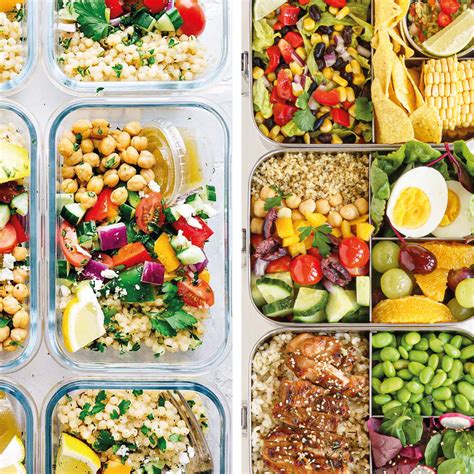
Weekend batch prepping is the ultimate time-saver. Think of it as investing a couple of hours now to save many stressful minutes later.
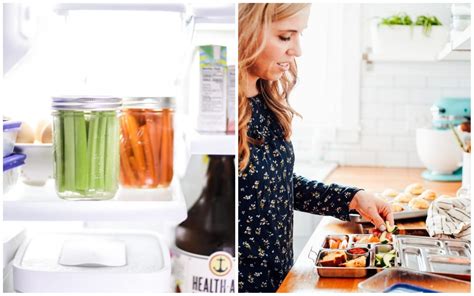
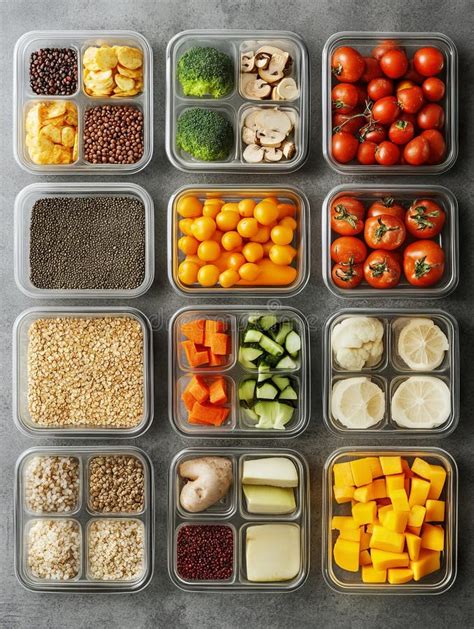
- Chop & Dice: Wash, chop, and store vegetables like onions, bell peppers, carrots, and celery in airtight containers. They’re ready to throw into stir-fries, omelets, or soups.
- Cook Grains & Proteins: Prepare a large batch of quinoa, rice, or roasted chicken/fish. These versatile bases can be used for multiple meals throughout the week.
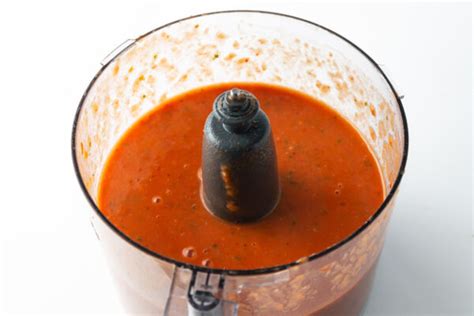
- Make Dressings & Sauces: Whip up homemade vinaigrettes or marinades. Store them in jars; they elevate simple ingredients and are free of unwanted additives.
Versatile Staples & Quick Cooking Techniques
Having a well-stocked pantry and a repertoire of speedy cooking methods are essential for effortless weeknight meals.
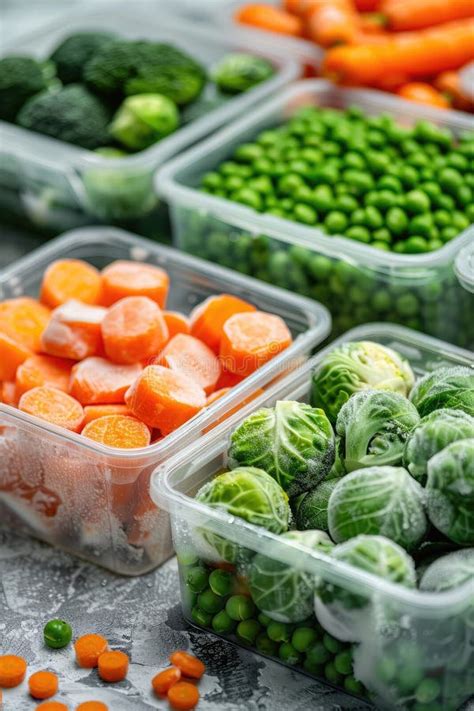
- Pantry Powerhouses: Stock up on canned beans, tomatoes, whole grains, pasta, broths, and frozen vegetables. They are lifesavers when fresh ingredients are low.
- One-Pan & Sheet Pan Meals: These are gold for busy nights. Toss protein and vegetables with seasoning on a single sheet pan or in one skillet, roast or sauté, and dinner is served with minimal cleanup.
- Stir-Fries & Quick Sauté: With pre-chopped veggies and a quick-cooking protein, a stir-fry comes together in minutes.

Zero Waste Kitchen: Creative Leftovers & Smart Use
Minimizing food waste isn’t just about saving money; it’s a powerful environmental act. Embrace the philosophy of using every edible bit.
- Transform Leftovers: Don’t just reheat! Repurpose. Leftover roasted vegetables can become a frittata filling, and cooked grains can be turned into a quick salad.
- Scrappy Cooking: Keep vegetable scraps (onion peels, carrot ends, herb stems) in a bag in the freezer to make homemade vegetable broth later.
- Smart Freezing: Freeze excess portions of soups, stews, sauces, or even ripe fruit for smoothies. Label everything with the date.
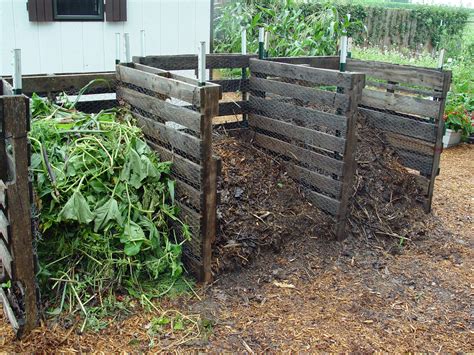
- Compost What You Can’t Eat: For truly inedible scraps, start a compost bin.
Making it a Habit: Consistency is Key
Like any new routine, integrating these habits will take a little effort initially. Start small—try planning just three meals a week, or dedicating one hour to prep. As you experience the benefits of reduced stress, healthier eating, and a lighter trash bin, these practices will become second nature. Empower yourself to reclaim your weeknights and enjoy delicious, wholesome food without the fuss.