How to quickly make Visual Bites look professional and delicious for foodies?
In the vibrant world of culinary content, where every scroll reveals a new gastronomic delight, captivating visual bites are no longer a luxury—they’re a necessity. For foodies, a picture truly is worth a thousand words, and often, a thousand cravings. But how do you achieve that professional, delectable look without spending hours on a full-blown photoshoot? The good news is, with a few clever tricks and quick techniques, you can elevate your food photography from amateur snaps to truly irresistible visual feasts, even on the fly.
Harnessing the Magic of Light
Embrace Natural Light Above All Else
The single most powerful tool in your food photography arsenal is natural light. Forget complicated studio setups; a window is your best friend. Position your dish near a window, ideally with soft, diffused light (avoid direct harsh sunlight, which creates unflattering shadows). Backlighting or side-lighting often works wonders, highlighting textures and giving your food a beautiful, ethereal glow. If the light is too strong, use a sheer curtain or a piece of parchment paper to diffuse it. This simple step alone can dramatically enhance the professionalism and appeal of your visual bites.

Composition for Cravings
Master Simple Angles and Framing
How you frame your food can make all the difference. For most dishes, two angles typically reign supreme: the overhead shot (flat lay) and the 45-degree angle. The overhead shot works beautifully for bowls, plates with distinct patterns, and spreads, showcasing all ingredients equally. The 45-degree angle, mimicking how we naturally view our food, is excellent for dishes with height, like burgers, cakes, or stacked pancakes, adding depth and dimension. Don’t be afraid to get close; fill the frame to emphasize texture and detail, making your food truly pop.
Consider the rule of thirds: mentally divide your frame into nine equal sections and place your subject or key elements along the lines or at their intersections for a more dynamic and engaging composition. A subtle sprinkle of herbs or a single dropped crumb can also add a touch of authentic charm.
![[100+] Food 4k Wallpapers | Wallpapers.com](/images/aHR0cHM6Ly90czEubW0uYmluZy5uZXQvdGg/aWQ9T0lQLk1NdE9GOXdXSmhvd0djVXdiOHI1WWdIYUVLJnBpZD0xNS4x.webp)
Strategic Styling with Minimal Props
Less is More: Enhance, Don’t Distract
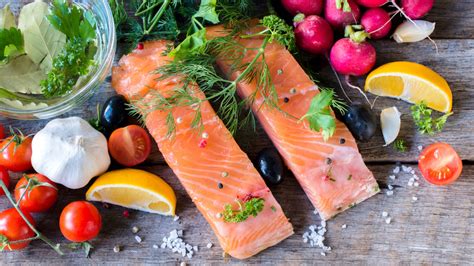
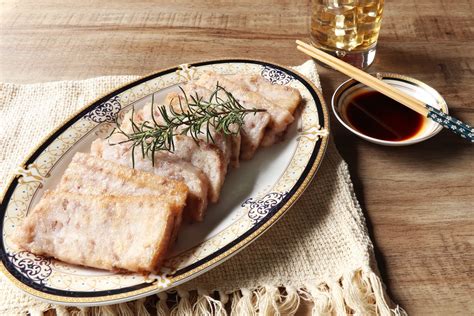
You don’t need an elaborate prop closet. Professional food visuals often rely on simplicity. Choose a clean, neutral background—a wooden table, a simple placemat, or even a white poster board can work wonders. Introduce minimal, relevant props that tell a story without stealing the show. Think about a napkin, a fork, a small sprig of fresh herbs, or a single ingredient used in the dish. These elements add context, scale, and a sense of authenticity. Avoid cluttered backgrounds that distract from the deliciousness of your main subject. Focus on textures and subtle color contrasts to make your food visually appealing.
The Art of Focus and Depth
Highlight What Matters with Shallow Depth of Field
For that professional, high-end look, directing the viewer’s eye is key. If your camera or smartphone allows, use a shallow depth of field (portrait mode on many phones) to blur the background slightly, making your food the undisputed star. Ensure the most appealing part of your dish is razor-sharp. Focus on the glistening sauce, the crisp crust, or the vibrant garnish. This technique instantly elevates your visual bites, making them look more intentional and artistic. Even without advanced camera settings, simply tapping on your phone screen to focus on the key subject can make a huge difference.
Quick Edits for Maximum Impact
Enhance, Don’t Over-Process
Even the best raw photos can benefit from a few quick edits. You don’t need complex software; most smartphones have excellent built-in editing tools, and free apps like Snapseed or Lightroom Mobile are fantastic. Focus on these key adjustments:
- Crop & Straighten: Ensure your image is perfectly aligned and remove any distracting elements.
- Brightness & Contrast: Lift shadows and add pop without blowing out highlights.
- White Balance: Adjust to make sure whites are truly white and colors are accurate (not too yellow or too blue).
- Saturation & Vibrance: Boost colors subtly to make ingredients look fresh and appealing, but avoid over-saturation which can look artificial.
- Sharpening: A touch of sharpening can make details crisp.
The goal is to enhance the natural appeal of your food, making it look as delicious as it tasted, not to create an unrealistic image.

From Snap to Sensation
Transforming your everyday food photos into professional, mouth-watering visual bites doesn’t require a studio or expensive gear. By strategically leveraging natural light, thoughtful composition, minimalist styling, precise focus, and smart, quick edits, you can capture the essence of your culinary creations and share them in a way that truly resonates with fellow foodies. Start experimenting with these simple yet powerful techniques, and watch as your visual bites go from good to absolutely glorious, inspiring cravings with every click.