How to quickly plate healthy, real food meals that look stunning for visual feeds?
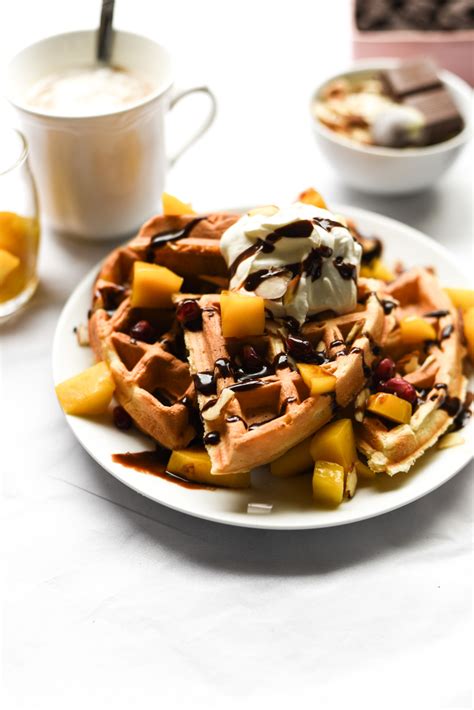
Mastering the Art of Speedy, Stunning Plating
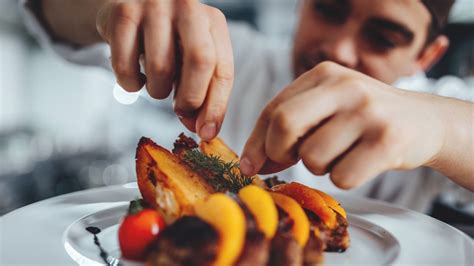
In the age of visual feeds, a meal’s appeal extends beyond its taste and nutritional value; its presentation can be just as crucial. But how do you achieve that Instagram-worthy aesthetic without spending hours fussing over every detail, especially when you’re committed to healthy, real food choices? The secret lies in a few smart techniques that balance speed, health, and undeniable visual allure.
Choose Your Canvas Wisely: The Power of the Plate
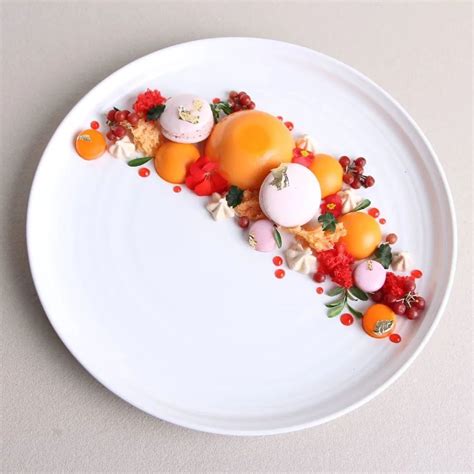
Your plate is the stage for your culinary creation. Opt for neutral-colored plates, typically white, as they make colorful food pop without competing for attention. Consider the size as well; a plate that’s too large can make your portion look sparse, while one that’s too small can appear overcrowded. A well-sized plate provides just enough negative space to let your food breathe and shine.

Color, Texture, and Contrast: The Visual Trio
Healthy, real food naturally comes with a beautiful palette of colors and textures. Leverage this! Arrange your ingredients to maximize visual interest. Think about contrasting colors (e.g., vibrant greens against deep reds) and varying textures (crispy vegetables next to creamy sauces or soft grains). Don’t just dump everything in a pile; strategically place each component to create an inviting visual flow.
For speed, focus on 2-3 main colors and textures that complement each other. This prevents a chaotic look and makes plating quicker. For example, a base of quinoa, topped with roasted sweet potatoes, and a sprinkle of fresh parsley offers a delightful interplay of color and texture.
Build Upward: Height and Layering
Flat food can look uninspired. Introduce height and dimension to your plate by layering ingredients. Think about stacking elements, like placing a protein on a bed of grains or greens, or leaning sliced vegetables against each other. A small metal ring mold can be a quick trick for forming neat bases of grains or salads, giving your dish an instant professional touch. Even a simple lean of a grilled chicken breast against a small pile of colorful veggies can make a big difference.
The Finishing Touches: Garnishes and Drizzles
Garnishes are like the jewelry for your meal – they add a final spark. Fresh herbs (cilantro, parsley, dill) not only provide a burst of green but also aromatic freshness. A sprinkle of seeds (sesame, chia, pumpkin) adds crunch and visual interest. A swirl of a healthy sauce, a drizzle of good quality olive oil, or a squeeze of lemon can tie the dish together visually and taste-wise.
When garnishing for speed, keep a few staples on hand that are ready to use. Pre-chopped herbs or a shaker of mixed seeds can be applied in seconds.
Lighting and Angles: The Photographer’s Edge
While technically not part of plating, excellent lighting is paramount for stunning visual feeds. Natural light is your best friend. Position your plate near a window but out of direct sunlight. Overcast days often provide the best soft, diffused light. Experiment with different angles – overhead shots work well for bowls and symmetrically arranged plates, while a slightly lower angle can highlight height and dimension.
Speedy Plating Hacks for Busy Lives
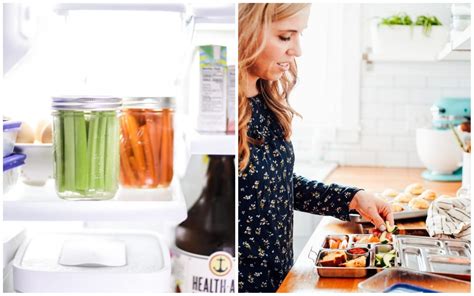
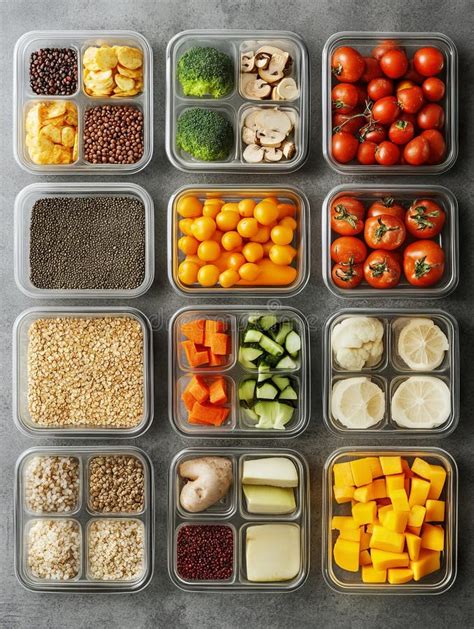
- Mise en Place: Having your ingredients prepped and ready before you start cooking drastically speeds up plating.
- One-Pan/Sheet Pan Meals: These naturally create components that are easy to arrange quickly.
- Keep it Simple: Don’t try to incorporate too many elements. Often, less is more for a clean, elegant look.
- Utilize Tools: Tongs for precise placement, a spoon for saucing, or even just your clean hands can make plating faster and more accurate.
Conclusion: Practice Makes Perfect (and Pretty)
Plating healthy, real food that looks stunning doesn’t have to be a daunting task. By focusing on your plate choice, playing with colors and textures, building height, adding thoughtful garnishes, and using smart speed hacks, you can quickly elevate your everyday meals into visual masterpieces. Start small, experiment, and soon you’ll be creating dishes that are as delightful to the eyes as they are nourishing to the body.