How to revive wilted produce for vibrant salads?
Don’t Toss It! The Science of Reviving Wilted Produce
It’s a common kitchen dilemma: you open the fridge to make a vibrant salad, only to find your beautiful greens limp and lifeless, or your once-crisp carrots feeling rubbery. While it might seem like a lost cause, much of this seemingly “dead” produce is simply dehydrated. With a few simple tricks, you can often bring them back to life, saving money, reducing food waste, and ensuring your meals are always bursting with freshness.
Why Produce Wilts: Understanding Turgor Pressure
The secret to crisp vegetables lies in something called turgor pressure. Plant cells are filled with water, which pushes against their cell walls, making them firm and rigid. When produce loses water—either through evaporation or damage—this pressure drops, causing the cells to collapse, leading to that characteristic wilted appearance. The good news is that by reintroducing water, you can often restore this turgor pressure and bring your produce back from the brink.
The Basic Bath: Cold Water for Leafy Greens and Herbs
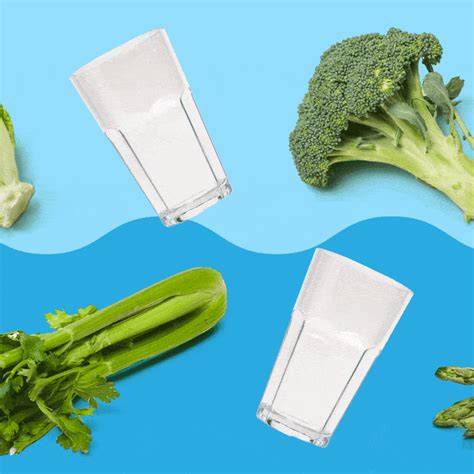
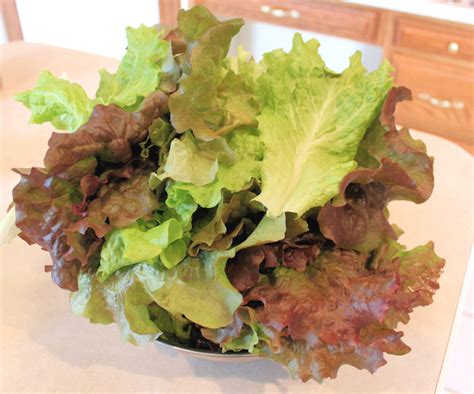
This is the most common and effective method for reviving items like lettuce, spinach, kale, fresh herbs, and even broccoli. The key is cold water:
- Trim Any Damaged Parts: Remove any visibly spoiled or overly damaged leaves or stems.
- Submerge in Ice Water: Fill a large bowl with very cold water, ideally with a few ice cubes. Fully submerge the wilted greens or herbs.
- Soak Time: Let them soak for 15-30 minutes, or even up to an hour for severely wilted items. You’ll often see them start to firm up within minutes.
- Dry Thoroughly: Once revived, drain the produce and dry it completely using a salad spinner or by patting it gently with a clean towel. Excess moisture can cause them to wilt again quickly or spoil.
Advanced Techniques for Firmer Vegetables
For more robust vegetables like carrots, celery, bell peppers, radishes, or even asparagus, the cold water bath method also works, but with a slight variation and a bit more patience:
- Trim the Ends: For carrots and celery, trimming a small slice off both ends can help the produce absorb water more efficiently, similar to how cut flowers drink water.
- Extended Soak: These tougher vegetables might need a longer soak, sometimes 1-2 hours, or even overnight in the refrigerator.
- Consider Room Temperature First: Some experts suggest starting with room temperature water for very rigid items like carrots, letting them soak for 30 minutes, then transferring them to ice water for another 30 minutes to an hour for the final crisping effect.

Finer Points for Fruits and Delicate Items
While the water bath is primarily for vegetables, some fruits can also benefit:
- Berries: Wilted berries are harder to revive. If they’re merely soft but not moldy, a quick rinse in cold water can sometimes slightly improve texture, but don’t expect a full recovery. Best to store them properly from the start.
- Apples/Pears: If slightly soft, a quick 15-minute ice bath can sometimes restore some crispness, especially if they haven’t been cut.

Prevention is the Best Medicine: Storage Tips
The best way to ensure vibrant produce for your salads is to prevent wilting in the first place. Proper storage is crucial:
- Wrap Leafy Greens: Store lettuce, spinach, and other greens in a sealed container lined with a paper towel. The paper towel absorbs excess moisture while the container keeps humidity in.
- Crisper Drawer is Your Friend: Use your refrigerator’s crisper drawers, as they are designed to maintain optimal humidity levels. The “high humidity” setting (often depicted with a closed vent) is usually best for vegetables, while the “low humidity” setting (open vent) is better for fruits that produce ethylene gas.
- Separate Ethylene Producers: Keep ethylene-producing fruits (like apples, bananas, tomatoes, and avocados) away from ethylene-sensitive vegetables (like lettuce, broccoli, and cucumbers), as ethylene gas can accelerate ripening and spoilage in sensitive produce.
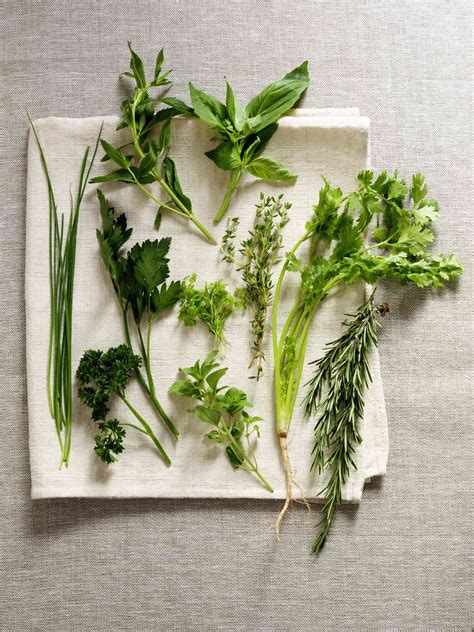
- Store Herbs Properly: Treat most herbs like a bouquet of flowers – snip the ends, place them in a glass of water, cover loosely with a plastic bag, and refrigerate.

Embrace the Revival!
Reviving wilted produce is a simple yet powerful kitchen skill that empowers you to maximize your groceries and enjoy fresh, vibrant salads more often. By understanding the basics of plant hydration and applying these easy techniques, you’re not just saving a head of lettuce; you’re making a conscious choice towards a more sustainable and flavorful kitchen. So next time you encounter a droopy green, don’t despair – give it a refreshing bath and watch it spring back to life!