How to select the ripest, most photo-worthy seasonal produce?
The Quest for Perfect Produce: Flavor and Aesthetics
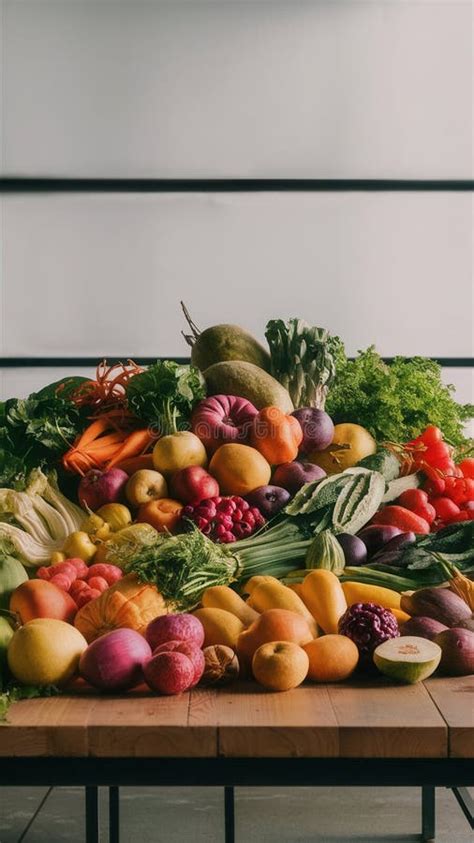
There’s nothing quite like the vibrant taste of perfectly ripe, in-season produce. It’s the cornerstone of delicious meals and a feast for the eyes, especially when aiming for that perfect food photograph. But how do you consistently pick out the best from a farmers’ market stall or grocery store display? It’s a skill that combines sensory awareness with a bit of insider knowledge. When produce is at its peak ripeness, not only does it offer superior flavor and texture, but its natural colors and firmness also make it inherently more beautiful and camera-ready.
General Principles for Peak Ripeness
Before diving into specific items, a few universal rules apply when assessing ripeness:
- Sight: Look for rich, uniform colors indicative of the variety. Avoid obvious blemishes, soft spots, or mold. However, minor imperfections are natural and don’t always signal poor quality.
- Smell: A truly ripe fruit or vegetable often has a distinct, sweet, and aromatic scent. If it smells like nothing, it likely tastes like nothing. If it smells fermented or overly sweet, it might be past its prime.
- Touch: Gently feel the produce. It should have a slight give, but not be overly soft or mushy. Hardness often means under-ripe. For leafy greens, look for crispness.
- Weight: Pick up the item. Ripe produce, especially fruits, often feels heavy for its size due to its high water content.
Spotlight on Specific Seasonal Favorites
Berries (Strawberries, Blueberries, Raspberries)
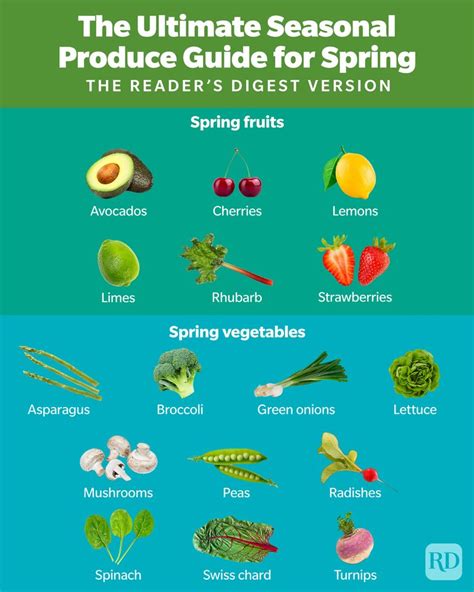
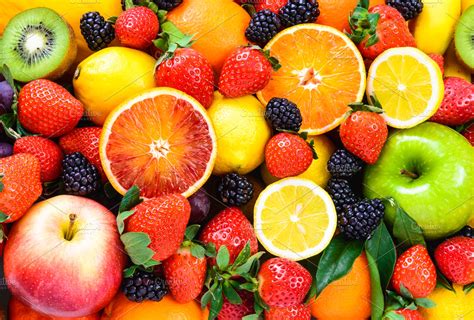
Look for deep, uniform color all over. Strawberries should be bright red with green caps. Blueberries should have a dusty bloom. All berries should be plump, firm, and free of any mold or shriveling. Smell the punnet – a sweet, fruity aroma is a good sign.
Stone Fruits (Peaches, Plums, Nectarines, Apricots)
These should emit a fragrant, sweet aroma, especially around the stem. Gently press near the stem; it should have a slight give. Avoid overly hard or mushy fruits. Color should be vibrant with no green patches, indicating unripeness.
Melons (Watermelon, Cantaloupe, Honeydew)
For watermelons, tap it gently – a hollow, deep sound indicates ripeness. Look for a creamy yellow ‘field spot’ where it rested on the ground. Cantaloupes and honeydews should feel heavy and smell sweet and musky at the blossom end. The netting on a cantaloupe should be raised and pronounced.
Tomatoes (All Varieties)
Ripe tomatoes should have a rich, uniform color (red, yellow, orange, purple, depending on the variety) and feel firm but yield slightly when gently squeezed. They should also have an earthy, sweet aroma at the stem end. Avoid hard, pale, or excessively soft tomatoes.
Avocados
A ripe avocado will have a darker skin color (Hass variety) and yield to gentle pressure. If the small stem cap comes off easily and reveals green underneath, it’s perfect. If it’s brown, it’s overripe. If the cap is hard to remove, it’s not ready.
Elevating Your Produce for the Camera
Beyond ripeness, a few tricks can make your produce truly photo-worthy:
- Cleanliness: Gently wash and dry your produce. For a dewy look, a light spritz of water can add freshness.
- Natural Light: Always shoot in soft, natural light to enhance colors and textures.
- Unblemished Side: Arrange your produce to show its best, most perfect side.
- Vibrant Colors: Focus on produce with strong, natural colors. A mix of complementary colors can create stunning compositions.
- Simple Backgrounds: Let the produce be the star. Use neutral or complementary backgrounds that don’t distract.
Preservation Pointers for Lasting Beauty
Once you’ve selected your perfect produce, proper storage is key to maintaining its freshness and visual appeal:
- Refrigerate Appropriately: Berries, leafy greens, and most vegetables belong in the crisper drawer.
- Room Temperature Ripening: Stone fruits, avocados, and some melons can finish ripening on the counter before being refrigerated.
- Airtight Containers: Use these for cut produce or sensitive greens to prevent wilting and oxidation.
- Separate Ethylene Producers: Fruits like apples, bananas, and tomatoes release ethylene gas, which can accelerate ripening (and spoilage) of other produce. Store them separately.
Enjoying Your Delicious and Beautiful Harvest
Armed with these tips, you’re now ready to confidently navigate the bounty of seasonal produce. Selecting the ripest, most visually appealing ingredients will not only elevate your cooking but also provide endless opportunities for stunning food photography. So go forth, explore your local markets, and savor the season’s best!