


How to spot authentic street food visually to avoid tourist traps on new food adventures?

The Allure of Authentic Street Food
Embarking on a new food adventure often means diving into the vibrant world of street food. It’s where a culture’s true flavors and culinary heritage often reside. However, navigating bustling markets and unfamiliar alleys can present a challenge: how do you distinguish truly authentic, delicious local fare from tourist traps designed to capitalize on visitors’ curiosity without delivering genuine experiences?
The good news is that many tell-tale signs are purely visual. By honing your observational skills, you can significantly increase your chances of finding hidden gems and enjoying unforgettable, authentic meals.
Look for the Locals: The Ultimate Authenticity Indicator
This is perhaps the most crucial visual cue. A street food stall overflowing with local patrons, especially during peak meal times, is almost always a sign of quality and authenticity. Locals know where the good food is, and they prioritize taste, value, and tradition. If you see a line forming, or people comfortably sitting and eating, it’s a strong green light.
- Consistent Crowds: Not just a one-off, but a steady flow of local customers throughout the day or evening.
- Family-Friendly: Stalls frequented by families often indicate a safe and reputable establishment.
- Absence of Tourists: While not always a negative, a place exclusively catering to tourists might lack the genuine local touch.
The Vendor’s Setup and Food Presentation
Authentic street food vendors often operate with a practical, no-frills setup. While cleanliness is important, don’t confuse a spotless, sterile look with authenticity; sometimes the most beloved local spots have a well-worn, lived-in feel.
Observe the Equipment and Ingredients
- Well-Used Equipment: Pots, pans, and griddles that show signs of continuous use (but are still clean) often belong to a seasoned vendor.
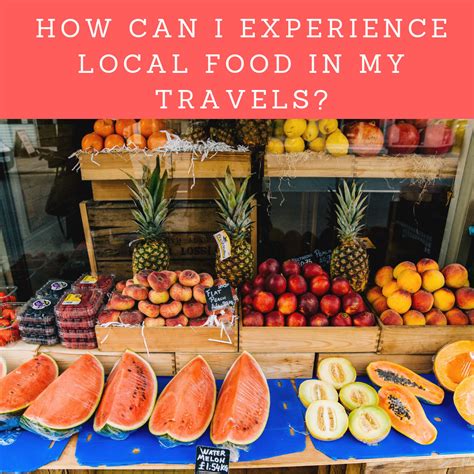
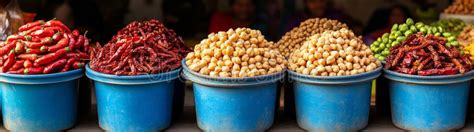
- Fresh Ingredients On Display: Look for vibrant, fresh produce, meats, and seafood. A good vendor will often have their raw ingredients visible, showcasing their quality.
- Simple Menus: Fewer items on a menu can often mean mastery over those specific dishes. Vendors specializing in a few things tend to do them exceptionally well.
The Cooking Process Matters
Many authentic street food dishes are cooked to order, right in front of you. This isn’t just for show; it ensures freshness and allows you to gauge the hygiene practices. Watch how the food is handled, how ingredients are combined, and the overall rhythm of the operation.
- Active Cooking: Food being prepared fresh, rather than sitting out for long periods.
- Skilled Handiwork: Observe the vendor’s dexterity and efficiency in preparing dishes.
Language and Menu: A Subtle Clue
While an English menu can be convenient, an authentic local spot might only have a menu in the local language, or a very simple one with basic translations. If a stall has overly elaborate English descriptions, professional photos, and prices significantly higher than comparable local spots, it might be a tourist-centric offering.
Don’t be afraid to point or use translation apps; it’s part of the adventure!

The Environment and Atmosphere
The overall vibe around a street food stall can tell you a lot. Is there a pleasant aroma wafting through the air? Are people chatting, laughing, and generally enjoying their food? A vibrant, lively atmosphere usually points to a good eating spot.
- Inviting Aromas: The smell of spices, grilling meats, or freshly baked goods is often an irresistible draw.
- Buzz of Activity: A stall with a constant hum of activity, from cooking sounds to satisfied diners, signals a popular spot.

Red Flags to Watch Out For
Just as there are signs of authenticity, there are also visual cues that suggest you might be heading into a tourist trap:
- Empty Stalls: A completely empty stall, especially during prime meal times, is a major red flag.
- Aggressive Hawkers: Vendors who are overly pushy or try to drag you in might be compensating for a lack of genuine quality.
- Overpriced Items: If prices seem disproportionately high compared to similar food vendors nearby or general local prices, proceed with caution.
- “Generic” International Offerings: Stalls selling a mix of very common international dishes (e.g., pizza, burgers, fries) in a country known for its unique cuisine, might not be focusing on local specialties.
- Unnaturally Polished Appearance: While cleanliness is good, an overly sterile or generic look that lacks any local character could indicate a place designed more for tourist comfort than authentic flavor.

Embrace the Adventure
Ultimately, spotting authentic street food visually is about trusting your instincts and observing the environment. While no method is foolproof, paying attention to these visual cues significantly increases your chances of experiencing the true culinary heart of a new destination. Don’t be afraid to venture a little off the main drag, follow your nose, and most importantly, where the locals eat. Happy eating!