How to store fresh herbs and produce to extend shelf life visually?

There’s nothing quite as disheartening as reaching for a bunch of vibrant herbs or crisp produce, only to find it wilted, bruised, or moldy just a few days after purchasing. Beyond preventing spoilage, proper storage techniques also play a crucial role in maintaining the visual appeal of your fresh ingredients, making your kitchen a more inviting and efficient space. This guide will walk you through simple yet effective strategies to keep your greens, fruits, and herbs looking and tasting fresh for as long as possible.
Understanding the Basics of Produce Preservation
Before diving into specific methods, it’s essential to grasp a few universal principles that govern how produce ages. Humidity, temperature, and exposure to ethylene gas are key factors. Most fruits and vegetables thrive in specific humidity levels, and understanding which ones prefer dry versus moist environments is the first step towards longer shelf life. Similarly, some produce emits ethylene gas, a natural ripening agent, which can prematurely ripen and spoil other sensitive items if stored together.

Strategies for Extending Produce Life
Leafy Greens (Lettuce, Spinach, Kale)
Leafy greens are notorious for wilting quickly. The key to preserving their crispness is to manage moisture. Wash greens thoroughly, then dry them completely using a salad spinner or paper towels. Store them wrapped in a dry paper towel inside an airtight container or a reusable produce bag in the crisper drawer of your refrigerator. The paper towel absorbs excess moisture, preventing sliminess, while the container maintains a humid, but not wet, environment.
Berries (Strawberries, Blueberries, Raspberries)
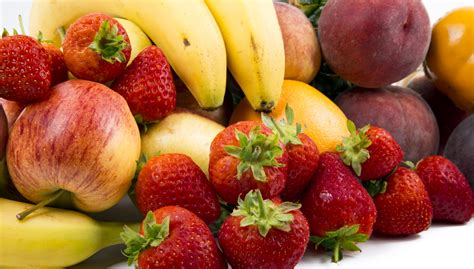
Berries are delicate and susceptible to mold. The trick here is to avoid washing them until you’re ready to eat them, as moisture encourages mold growth. For slightly longer storage, a quick vinegar bath (one part white vinegar to three parts water) can help eliminate mold spores, but they must be rinsed very thoroughly and dried completely before storing. Store them in a single layer in a shallow, breathable container lined with a paper towel, allowing for air circulation, in the refrigerator.

Root Vegetables (Carrots, Beets, Radishes)
Root vegetables prefer cool, dark, and slightly humid conditions. If they come with their greens attached, remove the greens immediately as they draw moisture from the roots, causing them to shrivel. Store the roots in a separate bag or container in the crisper drawer. Carrots, for example, do well submerged in water in an airtight container, which keeps them crisp for weeks.
Avocados, Tomatoes, Bananas
These are ethylene producers or sensitive to ethylene. Store unripe avocados and tomatoes on the counter at room temperature. Once ripe, move them to the refrigerator to slow down further ripening. Bananas should always be stored at room temperature, ideally separated from other fruits, as they produce a lot of ethylene. You can slow banana ripening by wrapping the stems in plastic wrap.
Mastering Herb Storage
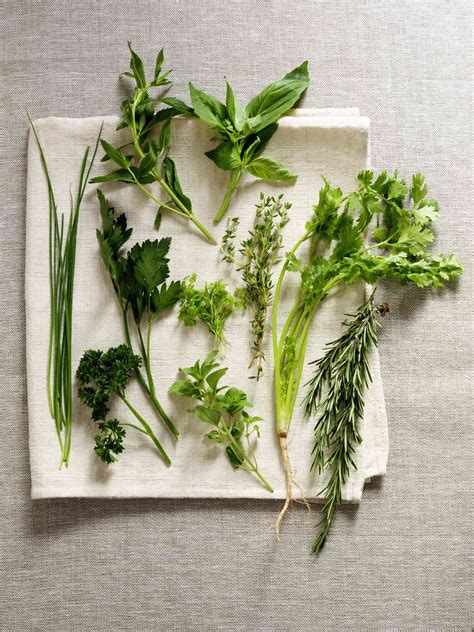
Herbs are often one of the quickest items to spoil, yet they can be easily extended with the right approach.
Hardy Herbs (Rosemary, Thyme, Oregano, Sage)
Treat these like a bouquet of flowers. Trim the ends of the stems, place them upright in a glass of water, and cover loosely with a plastic bag. Store them in the refrigerator. Change the water every couple of days. This method keeps them vibrant and fragrant for up to two weeks.
Tender Herbs (Parsley, Cilantro, Basil, Mint)
For parsley, cilantro, and mint, the “bouquet method” in water, covered loosely with a plastic bag and refrigerated, also works wonders. Basil, however, is a special case. It dislikes cold temperatures and can turn black in the fridge. Trim basil stems, place them in a jar with water on the countertop, out of direct sunlight, and cover loosely with a plastic bag. Change the water daily.

Enhancing Visual Appeal and Organization
Beyond extending shelf life, thoughtful storage can also make your kitchen more appealing and functional. Using clear, uniform containers helps you easily see what you have, reducing food waste and making meal prep more efficient. Labeling containers with the date of purchase can also be incredibly helpful. Arranging your produce and herbs neatly in your fridge, almost like a display, encourages you to use them more often and brings a sense of calm to your kitchen space.

Conclusion
With a little knowledge and a few simple habits, you can dramatically improve how long your fresh herbs and produce last, all while keeping them visually appealing. Investing a few minutes in proper storage after grocery shopping will save you money, reduce food waste, and ensure you always have beautiful, fresh ingredients ready for your culinary adventures. Happy storing!