How to store fresh herbs longer for vibrant foodie dishes?

Unlock the Secret to Long-Lasting Fresh Herbs
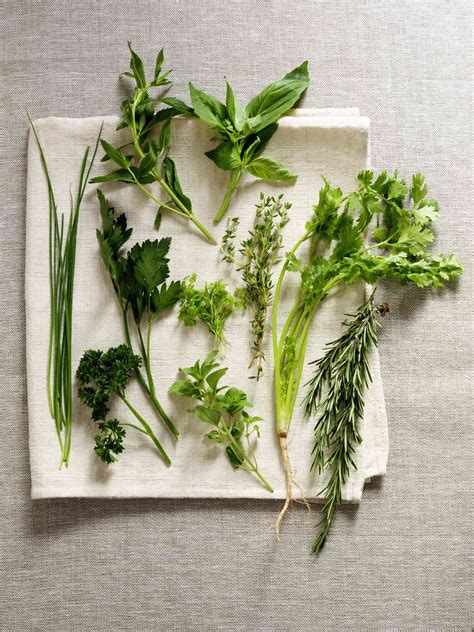
Fresh herbs are the soul of vibrant cooking, offering aromatic bursts and visual appeal that elevate any dish. However, their delicate nature means they often wilt or spoil quickly, leaving us with a sad, unusable bunch and wasted potential. Don’t let your culinary ambitions be cut short by limp parsley or brown basil. With a few simple, professional techniques, you can significantly extend the life of your fresh herbs, keeping them crisp and flavorful for days, or even weeks.
The key to herb longevity lies in managing moisture, air, and temperature correctly. Different herbs have different needs, so understanding their characteristics is crucial. Let’s dive into the most effective storage methods that will transform your kitchen and your cooking.

Method 1: The Water Bath for Tender, Leafy Herbs (Parsley, Cilantro, Mint, Dill)
This method is ideal for most soft, leafy herbs that love a drink. Think of it like keeping a bouquet of flowers fresh.
- Trim the Stems: Just like flowers, snip about an inch off the bottom of the stems. Remove any leaves that would fall below the waterline in your container.
- Water Jar Setup: Place the trimmed herbs stem-down into a glass jar or a sturdy cup with about an inch of fresh water. Ensure all the stems are submerged.
- Cover and Refrigerate: Loosely cover the entire setup with a plastic bag (a produce bag works perfectly), creating a mini greenhouse effect to trap moisture. Place the jar in the refrigerator.
- Change Water Regularly: Change the water every day or two to prevent bacterial growth.
Following these steps, herbs like parsley and cilantro can last up to two weeks, sometimes even longer.
Method 2: The Dry Wrap for Woody Herbs (Rosemary, Thyme, Oregano, Sage)
Heartier, woody-stemmed herbs prefer a drier environment than their tender counterparts, though they still benefit from some moisture to prevent drying out.
- Wash and Dry Thoroughly: Gently wash the herbs and, most importantly, dry them completely. Excess moisture can lead to mold. Use a salad spinner or pat them very dry with paper towels.
- Wrap in Damp Paper Towels: Lay the dry herbs on a slightly damp paper towel. Roll them up gently.
- Seal in a Bag or Container: Place the wrapped herbs into a resealable plastic bag or an airtight container.
- Refrigerate: Store them in the crisper drawer of your refrigerator.
This method can keep woody herbs fresh for 2-3 weeks.
Method 3: Special Care for Basil
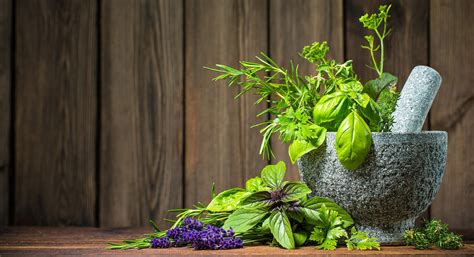
Basil is a unique herb that doesn’t like the cold. Refrigeration can actually turn its leaves black and diminish its flavor.
- Trim and Water: Trim the stems and place the basil bouquet in a jar with water, similar to the tender herb method.
- Room Temperature: Crucially, leave the basil on your counter at room temperature, away from direct sunlight or extreme heat. You can loosely cover it with a plastic bag if your home is particularly dry.
- Change Water: Change the water daily.
Basil stored this way can remain vibrant for a week or more.
Method 4: Freezing for Long-Term Storage
When you have an abundance of herbs or want to preserve their flavor for months, freezing is an excellent option. While the texture may change slightly, the flavor will remain potent, perfect for cooked dishes like soups, stews, sauces, and marinades.
- Herb Ice Cubes (Oil or Water): Chop your herbs finely. Pack them into ice cube trays. Cover with a neutral oil (like olive oil or avocado oil) or water. Freeze until solid, then transfer the cubes to a freezer-safe bag or container. Pop out a cube whenever you need a burst of flavor in your cooking.
- Blanched and Frozen: For heartier herbs, you can quickly blanch them (dip in boiling water for 15-30 seconds, then immediately into ice water), dry thoroughly, chop, and freeze them flat on a baking sheet before transferring to a freezer bag.

Revive and Utilize
Even with the best storage, sometimes herbs might look a little droopy. A quick dip in an ice water bath for 15-30 minutes can often perk them right up, especially for tender leafy varieties. Always wash your herbs just before using them, regardless of their storage method.
By implementing these simple yet effective techniques, you’ll dramatically reduce food waste and ensure a steady supply of fresh, aromatic herbs for all your culinary adventures. Imagine the vibrant pestos, flavorful marinades, and garnished masterpieces you can create with consistently fresh ingredients!

Embrace the Freshness
Investing a few minutes in proper herb storage can save you money, reduce waste, and most importantly, infuse your cooking with unparalleled freshness and flavor. Say goodbye to sad, wilted herbs and hello to a kitchen full of vibrant possibilities. Happy cooking!