How to store fresh herbs longer for vibrant, foodie-worthy dishes?

Unlock Lasting Freshness for Your Favorite Herbs
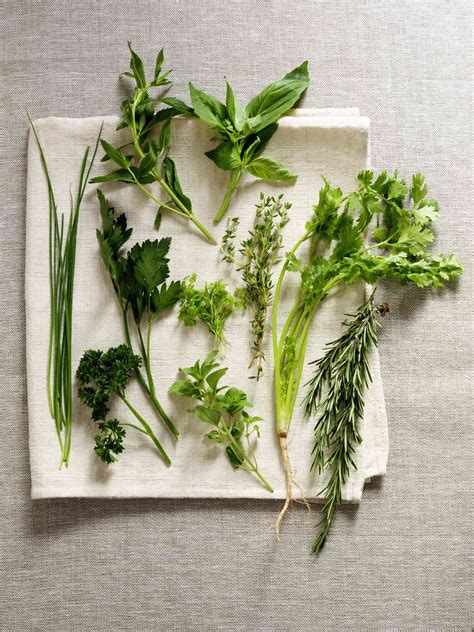
Fresh herbs are the secret weapon of any accomplished cook, instantly elevating a dish from pleasant to extraordinary with their vibrant flavors and aromas. Yet, their delicate nature often means they wilt and lose their potency long before you’ve had a chance to use them all. Don’t let that precious flavor go to waste! Mastering proper storage techniques is a game-changer for any home cook aspiring to create truly foodie-worthy results.
Before diving into specific methods, remember a few universal rules for herb longevity. Always store herbs unwashed until just before use, as excess moisture is the number one enemy, encouraging spoilage and mold growth. Handle them gently to avoid bruising, which can accelerate deterioration and release less desirable flavors. A little care goes a long way!
Method 1: The Bouquet Approach for Tender Herbs
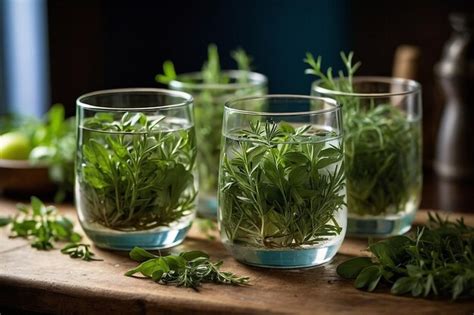
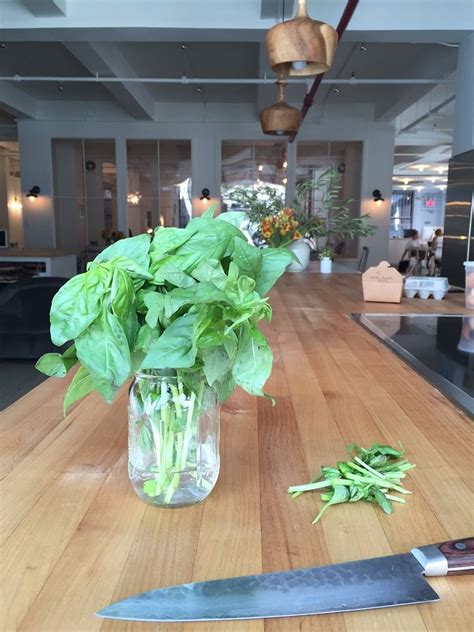
This technique is perfect for delicate, leafy herbs like basil, cilantro, parsley, and mint. Treat them like a beautiful bouquet of flowers:
- Trim Stems: Snip about half an inch off the bottom of the stems.
- Remove Lower Leaves: Pluck any leaves that would sit below the waterline in your container to prevent rot.
- Water Bath: Place the herbs upright in a glass or jar with about an inch of fresh water at the bottom.
- Cover and Refrigerate: Loosely cover the herbs and glass with a plastic bag (or use a dedicated herb saver). Store in the refrigerator. Basil is an exception; it prefers room temperature if your kitchen isn’t too warm, but will tolerate refrigeration if necessary. Change the water every day or two to keep it fresh.

Method 2: The Roll-Up for Hardy Herbs
For more robust, woody-stemmed herbs such as rosemary, thyme, oregano, and sage, a slightly different approach works best. These herbs thrive in a slightly moist, but not wet, environment:
- Damp Paper Towel: Lay the herbs out on a barely damp (not soaking wet) paper towel.
- Roll and Bag: Loosely roll them up in the damp paper towel.
- Airtight Storage: Place the bundled herbs into a sealed plastic bag or an airtight container.
- Refrigerate: Store in the refrigerator. This method also works effectively for tender herbs if you’re short on space or prefer a more compact storage solution.

Method 3: Freezing for Long-Term Flavor
When you have an abundance of herbs or want to preserve their flavor for months, freezing is an excellent option. This is especially useful for herbs you’ll be cooking with, as the texture may change slightly upon thawing but the flavor remains potent.
- Oil Cube Method: Finely chop herbs like parsley, cilantro, oregano, thyme, or sage. Pack them tightly into ice cube trays and cover completely with olive oil. Freeze until solid, then pop out the herb cubes and transfer them to a freezer-safe bag. These flavorful cubes are perfect for starting soups, stews, sauces, or sautéing vegetables.
- Water Cube Method: Alternatively, you can use water instead of oil. This method is great for herbs destined for dishes where a little added water won’t impact the outcome, such as pestos (blended after thawing), smoothies (mint), or cooked greens.
Reviving Sad Herbs: The Ice Bath Trick
Even with the best intentions, sometimes herbs can look a little deflated. If your herbs appear limp or tired but aren’t slimy, discolored, or moldy, they might be salvageable. Give them an “ice bath” – place the wilting herbs in a bowl of ice water for 15-30 minutes. This can work wonders to rehydrate their cells and perk them right back up, restoring some of their crispness and vibrancy.

Elevate Your Culinary Creations
With these simple yet incredibly effective storage techniques, you can significantly extend the life of your fresh herbs, ensuring you always have vibrant, aromatic ingredients on hand. Say goodbye to wasted greens and hello to a kitchen brimming with potential, ready to transform your everyday meals into truly foodie-worthy creations. Happy cooking!