How to store fresh herbs longer for vibrant garnishes?

Unlock the Secret to Long-Lasting Fresh Herbs
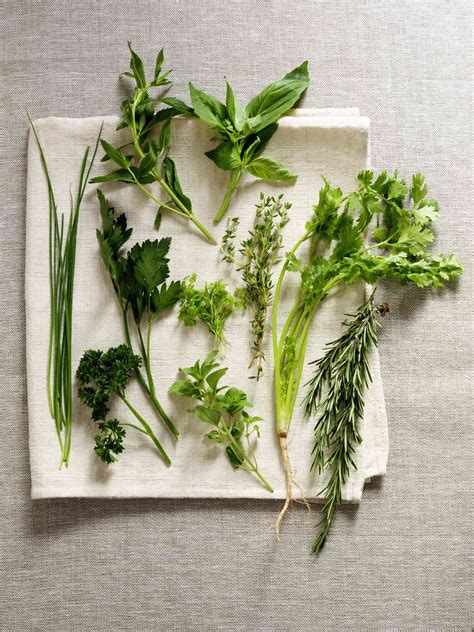
Fresh herbs are the cornerstone of exquisite cooking, providing not just flavor but also visual appeal through vibrant garnishes. However, their delicate nature means they often wilt or lose their potency quickly after purchase. The good news is that with a few simple techniques, you can significantly extend their freshness, keeping them ready to elevate your culinary creations with bursts of color and aroma.
The key to longevity lies in understanding the specific needs of different herb types and minimizing exposure to factors that cause spoilage, such as excessive moisture, lack of moisture, and improper temperature. Let’s dive into proven methods that will keep your parsley perky, your cilantro crisp, and your basil beautiful for longer.
The Water Glass Method: Ideal for Tender Herbs
This classic technique works wonders for delicate, leafy herbs like parsley, cilantro, basil, mint, and dill. It mimics how flowers are kept fresh in a vase, providing a continuous supply of water to the stems.
- Preparation: Trim about half an inch off the bottom of the herb stems. Remove any leaves that would fall below the waterline to prevent rotting.
- Placement: Place the herbs, stem-side down, into a glass jar or container with about an inch of fresh water.
- Covering: Loosely cover the herbs with a plastic bag (e.g., a produce bag or Ziploc bag) to create a humid environment, which prevents dehydration.
- Storage: Store the glass in the refrigerator. Basil, being more sensitive to cold, prefers room temperature away from direct sunlight. Change the water every day or two.
This method can keep tender herbs fresh and vibrant for up to 1-2 weeks, perfect for those last-minute garnish needs.
The Damp Paper Towel Method: Best for Sturdier Herbs
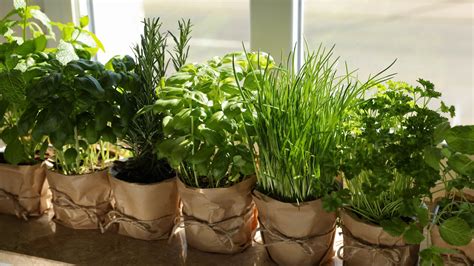
Heartier, woodier herbs such as rosemary, thyme, oregano, and chives thrive with a different approach that balances moisture and airflow. This method prevents them from becoming waterlogged while keeping them hydrated.
- Preparation: Gently wash the herbs and pat them completely dry with a clean kitchen towel or paper towel. Excess moisture is the enemy here, as it promotes mold growth.
- Wrapping: Lay the dried herbs flat on a slightly damp paper towel. Roll them up gently but securely in the towel.
- Storing: Place the wrapped herbs inside a resealable plastic bag or an airtight container.
- Refrigeration: Store in the crisper drawer of your refrigerator.
This technique can preserve the freshness of sturdier herbs for 2-3 weeks, ensuring you always have flavorful sprigs for both cooking and decorating.

Freezing Herbs for Long-Term Vibrancy
While fresh is always ideal for garnishes, freezing can be an excellent option for preserving flavor and color, especially for herbs like parsley, cilantro, chives, and even basil, when you have an abundance. Frozen herbs are fantastic for cooking, but they can still provide a burst of color when thawed and added at the very end of a dish.
- Oil Cubes: Chop herbs finely and pack them into ice cube trays. Cover with olive oil or melted butter, then freeze. Once solid, transfer the herb cubes to an airtight freezer bag.
- Water Cubes: For a lighter option, follow the same method but use water instead of oil. This works particularly well for herbs destined for soups or stews.
- Blanched & Frozen: For basil, a quick blanching can help maintain its vibrant green color before freezing. Briefly dip leaves in boiling water, then immediately into an ice bath, pat dry, and freeze whole or chopped in a freezer bag.
Frozen herbs can last for several months, offering a convenient way to reduce waste and ensure you always have access to herb flavor, even if their texture isn’t quite as ‘fresh’ for a garnish as newly picked.

Quick Tips for Maximizing Herb Freshness
- Buy Wisely: Choose herbs that look fresh, vibrant, and free of wilting or discoloration.
- Handle Gently: Herbs are delicate. Avoid crushing or bruising them during transport and storage.
- Wash Before Use: Always wash herbs just before using them, not before storing, as excess moisture can lead to spoilage. The exception is the damp paper towel method where they are dried completely after washing.
- Check Regularly: Periodically check your stored herbs for any signs of spoilage (slimy leaves, mold) and remove affected parts to prevent it from spreading.
Elevate Your Dishes with Ever-Ready Herbs
By implementing these simple yet effective storage methods, you’ll not only reduce food waste but also ensure a consistent supply of fresh, vibrant herbs. Imagine effortlessly garnishing your pasta, salads, or roasted vegetables with bright green parsley or fragrant rosemary, knowing they’ve retained their peak freshness. These techniques are a small investment of time that pays dividends in flavor, aroma, and visual appeal, transforming everyday meals into culinary delights.