How to store fresh herbs so they stay vibrant & last longer for foodies?
The Foodie’s Dilemma: Keeping Herbs Alive
For any true foodie, fresh herbs are non-negotiable. They’re the vibrant soul of a dish, adding brightness, aroma, and complexity that dried versions simply can’t replicate. Yet, the heartbreak of wilted parsley, slimy cilantro, or browned basil leaves just days after purchase is a familiar kitchen tragedy. Wasting these precious ingredients isn’t just a blow to your wallet; it’s a crime against culinary potential.
But what if you could extend the life of your fresh herbs, keeping them lush and potent for weeks instead of days? With a few simple, strategic techniques, you can transform your fridge from a herb graveyard into a vibrant herb haven, ensuring you always have peak-condition garnishes and flavor boosters at your fingertips.
General Principles for Herb Longevity
Before diving into specific methods, understanding the common enemies of fresh herbs is key: excess moisture (leading to rot), lack of moisture (leading to wilting), and improper temperature. The goal is to create an environment that mimics their natural growing conditions as closely as possible, slowing down decomposition without freezing or shocking them.
Most herbs thrive in cool, slightly humid environments. Your refrigerator crisper drawer is often the best starting point, but how you prepare them for storage within that environment makes all the difference.
Tender Herbs: The Bouquet & Bag Method
(Parsley, Cilantro, Dill, Mint, Chives, Tarragon)
These delicate, leafy herbs are prone to wilting quickly. Their thin stems and leaves lose moisture rapidly. The best approach for most tender herbs is to treat them like a bouquet of flowers:
- Trim Stems: Snip off the very ends of the stems, much like you would with cut flowers. Remove any yellowed or damaged leaves.
- Water Jar: Place the trimmed stems upright in a small glass or jar with about an inch of fresh, cool water at the bottom.
- Cover & Refrigerate: Loosely cover the leaves with a plastic bag (a produce bag works perfectly), creating a mini-greenhouse effect. Place the jar in the refrigerator. Change the water every 1-2 days to keep it fresh.
This method allows the herbs to continue drawing water, keeping their leaves plump and green for up to 2-3 weeks. A special note on Basil: While technically a tender herb, basil dislikes cold temperatures and can turn black when refrigerated. Store basil at room temperature, using the water jar method, but without the plastic bag, or simply store in a sealed container with a barely damp paper towel at room temp.
Hardy Herbs: The Damp Paper Towel Technique
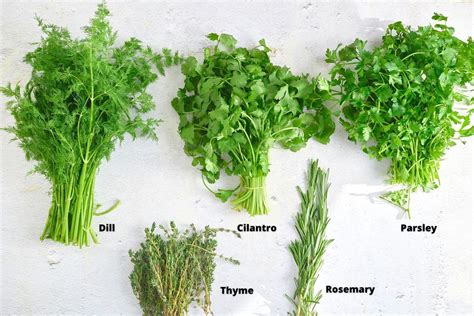
(Rosemary, Thyme, Oregano, Sage, Marjoram, Bay Leaves)
Hardy herbs have tougher, woodier stems and more robust leaves. They don’t require as much moisture as tender herbs and can become waterlogged if stored in water.
- Gently Wash & Dry: If necessary, rinse the herbs under cool water. Crucially, dry them thoroughly using a salad spinner or by patting them very gently with paper towels. Any excess moisture will lead to rot.
- Damp Paper Towel: Lightly dampen a few paper towels. They should be moist, not soaking wet.
- Wrap & Bag: Lay the herbs flat on the damp paper towel and gently roll them up. Place the wrapped herbs inside a resealable plastic bag or an airtight container.
- Refrigerate: Store in the crisper drawer of your refrigerator.
This method keeps hardy herbs fresh for 3-4 weeks by providing a controlled humid environment without direct water contact. Check the paper towel periodically and re-dampen if it dries out.
Beyond the Fridge: Freezing for Long-Term Flavor
When you have an abundance of herbs or want to preserve their peak freshness for months, freezing is an excellent option. While their texture might change slightly, the flavor remains remarkably vibrant, perfect for soups, stews, sauces, and marinades.
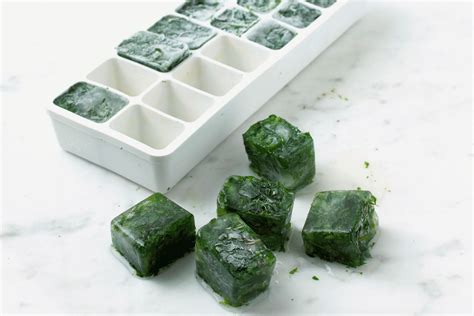
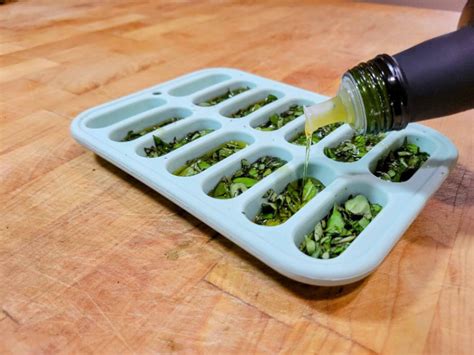
- Herb Ice Cubes: Chop herbs finely. Fill ice cube trays about two-thirds full with the chopped herbs. Top with olive oil (for savory dishes) or water (for general use). Freeze until solid, then transfer the frozen cubes to an airtight freezer bag. Pop out a cube whenever your recipe calls for fresh herbs.
- Flash Freeze & Bag: For herbs like dill or chives that you might want to use later as a garnish (understanding the texture won’t be perfectly fresh), spread them in a single layer on a baking sheet. Flash freeze until solid, then transfer to a freezer bag. This prevents them from clumping together.
Frozen herbs can last for 6 months to a year, providing an invaluable resource for impromptu gourmet meals.
Elevate Your Culinary Creations
Mastering the art of herb storage is a game-changer for any foodie. No more last-minute grocery runs for a sprig of rosemary or a handful of cilantro. With these techniques, you’ll not only reduce food waste but also ensure your dishes are consistently bursting with the brightest, most aromatic flavors. Experiment with different methods for different herbs and discover what works best in your kitchen. Your taste buds (and your wallet) will thank you!