How to store fresh herbs to keep them vibrant and ready for plating?

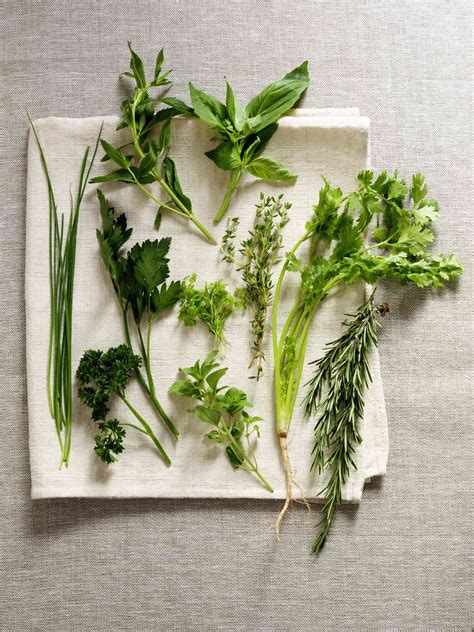
Fresh herbs are the soul of many dishes, bringing vibrant flavor, aroma, and visual appeal. However, their delicate nature often means they wilt or spoil quickly if not stored correctly. Mastering herb preservation techniques can significantly extend their life, saving you money and ensuring you always have a fresh garnish or flavor enhancer at hand. This guide will walk you through the best methods for different types of herbs, keeping them vibrant and ready for plating.
The Importance of Proper Herb Storage
There’s nothing quite as disappointing as reaching for fresh parsley or basil, only to find it limp, discolored, or slimy. Proper storage isn’t just about extending shelf life; it’s about preserving the essential oils and moisture that give herbs their potent flavor and appealing texture. Different herbs require different approaches, largely depending on their leaf structure and moisture content.
Know Your Herbs: Tender vs. Hardy
Before you store, identify your herb type. This distinction is crucial for choosing the right preservation method:
- Tender Herbs: These have soft, delicate stems and leaves, like basil, cilantro, parsley, mint, tarragon, and dill. They are more prone to wilting and drying out quickly.
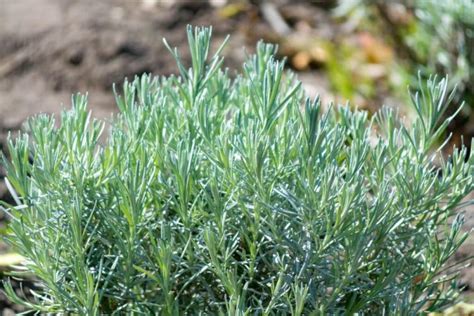
- Hardy Herbs: These have tougher, woody stems and firmer leaves, such as rosemary, thyme, oregano, sage, and chives. They are generally more resilient.
Method 1: The Water Bath for Delicate Herbs
This method works wonders for most tender herbs, mirroring how you’d keep a bouquet of flowers fresh.
Best For: Parsley, Cilantro, Mint, Dill, Tarragon
- Trim Stems: Snip about an inch off the bottom of the stems. Remove any leaves that would fall below the waterline to prevent rotting.
- Water Jar: Place the herbs, stem-side down, into a glass jar or a tall cup with about an inch of fresh water.
- Cover & Refrigerate: Loosely cover the herbs with a plastic bag (a produce bag or a zippered plastic bag works well) to create a humid environment. Place the jar in the refrigerator.
- Change Water: Change the water every 1-2 days to keep it fresh and prevent bacterial growth.
This method can keep herbs fresh for up to two weeks. Note on Basil: While basil is a tender herb, it’s sensitive to cold. Store basil at room temperature away from direct sunlight using the same water bath method, but skip the plastic bag covering.
Method 2: The Damp Paper Towel & Bag Method
This approach is excellent for herbs that might get too wet or bruise easily in a water bath, or for slightly less delicate tender herbs.
Best For: Basil (if refrigerating), Dill, Parsley, Cilantro (alternative)
- Gently Wash & Dry: If your herbs are dirty, gently rinse them under cool water. The most crucial step is to dry them thoroughly. Excess moisture promotes spoilage. Use a salad spinner or gently pat them dry with paper towels.
- Wrap: Lay the dry herbs flat on a slightly damp (not wet) paper towel. Roll them up loosely.
- Bag & Refrigerate: Place the wrapped herbs into a zippered plastic bag or an airtight container. Refrigerate.
This method typically keeps herbs fresh for 1-2 weeks. For basil, this method can work in the refrigerator if you absolutely must store it cold, but monitor closely for browning.
Method 3: The Robust Wrap for Hardy Herbs
Hardy herbs are less susceptible to wilting but can still dry out. This method provides the perfect balance of moisture and air circulation.
Best For: Rosemary, Thyme, Oregano, Sage, Chives
- Wash & Dry: Rinse the herbs if necessary and dry them very thoroughly.
- Wrap: Wrap the clean, dry herbs in a slightly damp paper towel.
- Bag & Refrigerate: Place the wrapped bundle into a zippered plastic bag or an airtight container. Refrigerate.
Hardy herbs stored this way can last for 2-3 weeks, sometimes even longer.

Long-Term Solutions: Freezing Herbs
When you have an abundance of herbs or want to preserve them for several months, freezing is an excellent option.
Best For: Basil, Parsley, Cilantro, Dill, Mint, Chives, Oregano, Thyme, Rosemary, Sage
Option A: Herb Ice Cubes
- Chop Herbs: Finely chop your desired herbs.
- Fill Trays: Place the chopped herbs into ice cube trays, filling each compartment about two-thirds full.
- Add Liquid: Pour olive oil or water over the herbs until they are covered. Oil works well for savory herbs intended for cooking, while water is good for delicate herbs used in dressings or smoothies.
- Freeze: Freeze until solid.
- Transfer: Once frozen, pop the herb cubes out and transfer them to a freezer-safe bag or container.
These cubes can be stored for 3-6 months and are perfect for adding directly to soups, stews, sauces, or sautéed dishes.
Option B: Freezing Chopped Herbs Directly
For woody herbs like rosemary or thyme, you can simply remove the leaves from the stems, chop them, and spread them in a single layer on a baking sheet to freeze. Once frozen, transfer to a freezer bag.

General Tips for Maximizing Herb Longevity
- Don’t Wash Until Ready: Unless they are very dirty, avoid washing herbs until just before you’re ready to use them. Excess moisture can accelerate spoilage.
- Check Regularly: Inspect your stored herbs every few days. Remove any leaves that show signs of wilting, discoloration, or sliminess to prevent them from affecting the rest of the bunch.
- Avoid Overcrowding: Give your herbs space in their storage container or jar to allow for proper air circulation.
- Consider Herb Keepers: Specialized herb keeper containers can also be very effective for maintaining optimal humidity and temperature.

By implementing these simple yet effective storage techniques, you can significantly extend the life of your fresh herbs, ensuring they remain fragrant, flavorful, and vibrant, ready to elevate every dish you create. No more sad, wilted herbs in the back of your fridge!