How to store fresh herbs to keep them vibrant & extend shelf life?
Why Proper Herb Storage Matters
Fresh herbs are the secret ingredient to elevating countless dishes, adding zest, aroma, and a burst of vibrant flavor. However, their delicate nature means they often wilt or spoil quickly if not stored correctly. Learning the right techniques can save you money, reduce food waste, and ensure you always have fresh, flavorful herbs on hand for your culinary creations.
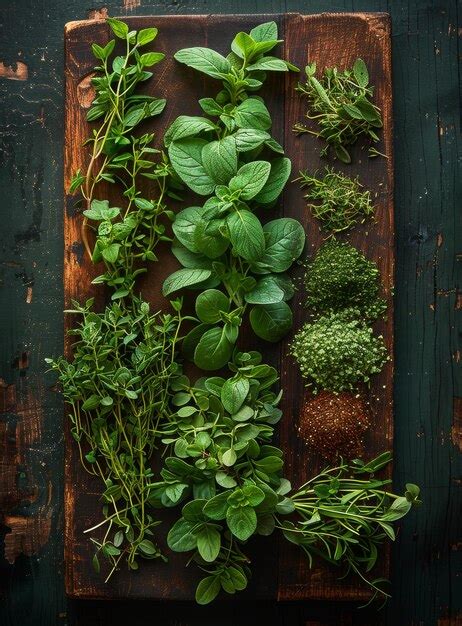
From tender leafy greens like basil and cilantro to woody-stemmed favorites such as rosemary and thyme, different herbs require tailored storage approaches to maximize their lifespan. Let’s dive into practical methods that will keep your herbs fresh and vibrant for days, or even weeks.
Understanding Herb Types: Tender vs. Hardy
The key to successful herb storage lies in understanding the two main categories: tender and hardy herbs. Their structural differences dictate the best storage environment.
Tender Herbs
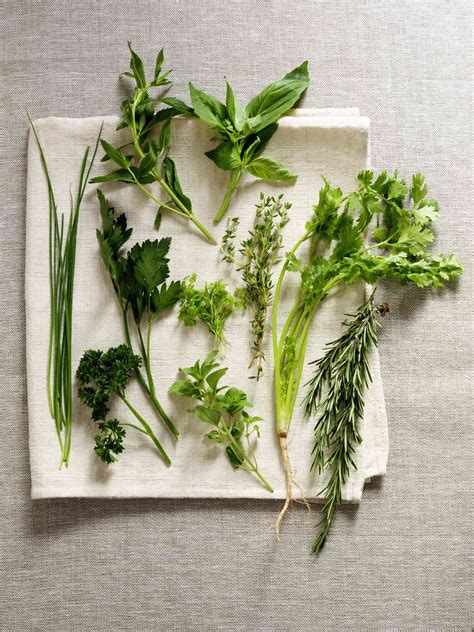
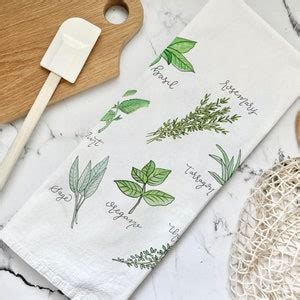
- Characteristics: Soft, leafy, often fragile stems. Examples include basil, cilantro, parsley, mint, dill, tarragon, and chives.
- Storage Challenge: Prone to wilting and browning quickly due to moisture loss.
Hardy Herbs
- Characteristics: Sturdier, woody stems, often smaller, more robust leaves. Examples include rosemary, thyme, oregano, sage, and marjoram.
- Storage Challenge: Can dry out but generally more forgiving than tender herbs.
Storing Tender Herbs: The Bouquet Method
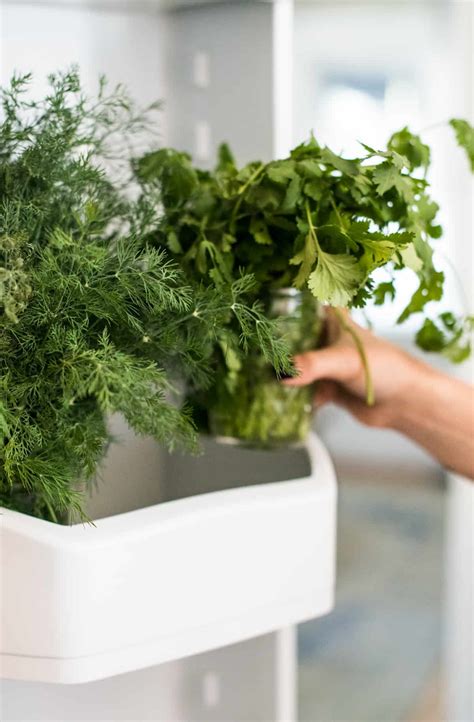
This method is highly effective for most tender herbs, mimicking how flowers are kept fresh in a vase.
- Trim Stems: Gently trim about a half-inch off the bottom of the stems. If any leaves are bruised or discolored, remove them.
- Hydrate: Place the herb stems into a glass or jar with about an inch of fresh water, much like a bouquet of flowers. Ensure no leaves are submerged in the water, as this can encourage rot.
- Cover & Refrigerate: For most tender herbs (except basil), loosely cover the top of the herbs and the jar with a plastic bag. This creates a mini-greenhouse effect, trapping humidity. Place the jar in the refrigerator.
- Basil Exception: Basil is sensitive to cold and can turn black in the refrigerator. Instead, store basil on the countertop, away from direct sunlight, using the same water-in-a-jar method, but without covering it with a plastic bag.
- Change Water: Change the water every 1-2 days to keep it fresh and free of bacteria.
Using this method, tender herbs like parsley, cilantro, and mint can stay fresh for up to 1-2 weeks, while basil might last a week on the counter.

Storing Hardy Herbs: The Damp Paper Towel Method
Hardy herbs generally prefer a slightly drier, less humid environment than their tender counterparts.
- Wash & Dry Thoroughly: Rinse the herbs under cold water to remove any dirt. This step is crucial: lay them flat on a clean kitchen towel or use a salad spinner to remove as much moisture as possible. Excess water can lead to mold.
- Wrap: Wrap the thoroughly dried herbs loosely in a slightly damp paper towel. The dampness provides just enough moisture to prevent drying out without encouraging spoilage.
- Bag or Container: Place the wrapped herbs inside a resealable plastic bag or an airtight container.
- Refrigerate: Store in the crisper drawer of your refrigerator.
Hardy herbs stored this way can remain fresh for 2-3 weeks, or even longer.
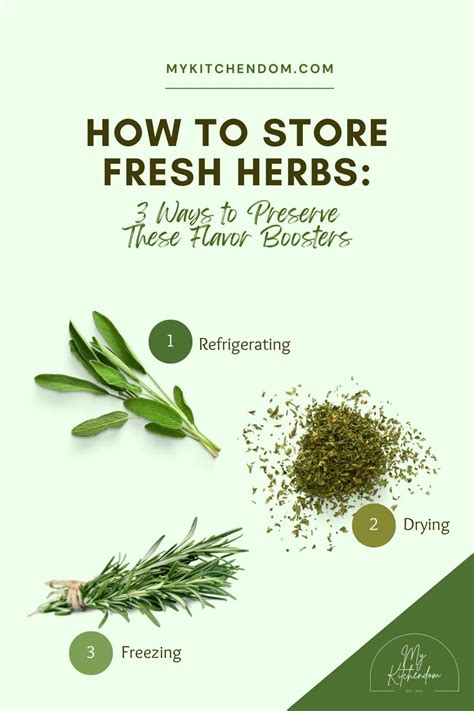
Longer-Term Storage: Freezing Herbs
When you have an abundance of herbs or want to preserve them for several months, freezing is an excellent option that locks in much of their flavor.
Freezing in Ice Cube Trays (with Oil or Water)
- Chop Herbs: Wash and thoroughly dry your herbs. Finely chop them (or roughly chop for larger leaf herbs).
- Fill Trays: Pack the chopped herbs into ice cube trays, filling each compartment about two-thirds full.
- Add Liquid: Pour olive oil, melted butter, or even water over the herbs until they are covered. Oil works best for savory dishes, while water is fine for herbs intended for soups or smoothies.
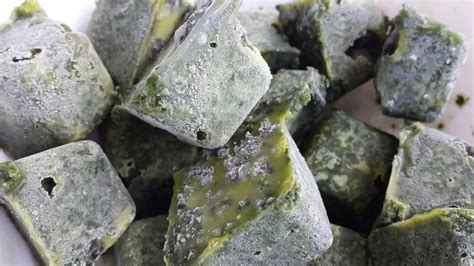
- Freeze: Place the trays in the freezer until solid.
- Transfer: Once frozen, pop the herb cubes out and transfer them to a freezer-safe bag or container. Label with the herb type and date.
These herb cubes can last for 6-12 months and are perfect for dropping directly into hot pans, soups, or sauces.
Freezing Whole or Chopped (without liquid)
Some herbs, especially hardy ones, can be frozen simply by spreading them on a baking sheet until frozen solid, then transferring them to a freezer bag. This works well for rosemary, thyme, or even chopped parsley.
Additional Tips for Maximizing Herb Freshness
- Avoid Washing Too Soon: Only wash herbs just before you’re ready to store them or use them. Excess moisture encourages spoilage.
- Inspect Regularly: Check your stored herbs every few days. Remove any leaves that show signs of wilting, browning, or mold to prevent it from spreading.
- Don’t Crowd: Give your herbs space. Overcrowding in a container or jar can reduce air circulation and lead to faster spoilage.
- Use Airtight Containers: When not using the bouquet method, airtight containers or bags are your best friends for preventing moisture loss and protecting herbs from odors in the fridge.
Conclusion
With these simple yet effective storage techniques, you can significantly extend the life of your fresh herbs, keeping them vibrant, flavorful, and ready to enhance your cooking. No more watching precious herbs turn sad and limp in your refrigerator! Experiment with these methods to find what works best for your favorite herbs and enjoy the convenience of having fresh aromatics at your fingertips.