How to store fresh herbs to maximize vibrancy & flavor for foodie plating?
Fresh herbs are the unsung heroes of magnificent meals, offering bursts of flavor, aromatic complexity, and vibrant splashes of color essential for any chef, home cook, or foodie aiming for Instagram-worthy plating. However, their delicate nature means they often wilt, brown, or lose their potency quickly after purchase. Preserving their peak condition is key to elevating your dishes from good to gourmet. This guide will walk you through the best methods to store your fresh herbs, ensuring they remain as lively and flavorful as the day you bought them.
The Culinary Canvas: Why Herb Vibrancy Matters
For foodies, plating isn’t just an afterthought; it’s an integral part of the dining experience. A sprig of bright green parsley, a scatter of purple basil, or delicate dill fronds can transform a simple dish into a work of art. Beyond aesthetics, the freshness of herbs directly impacts their flavor profile. Wilted herbs lose their essential oils, resulting in a duller taste and a less appealing texture. Proper storage is therefore not just about waste reduction, but about maximizing the sensory impact of your cooking.
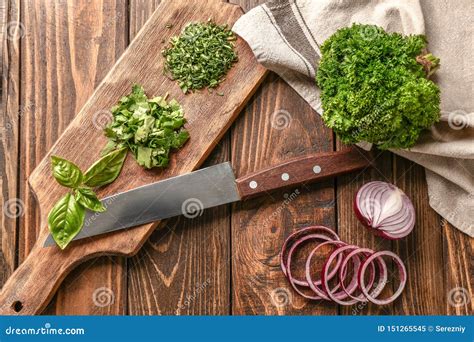
Understanding Herb Types: Soft vs. Hardy
The secret to effective herb storage lies in understanding their fundamental differences. Herbs are generally categorized into two main types: soft and hardy. This distinction guides the most suitable preservation method.
Soft Herbs: The Delicate Ones
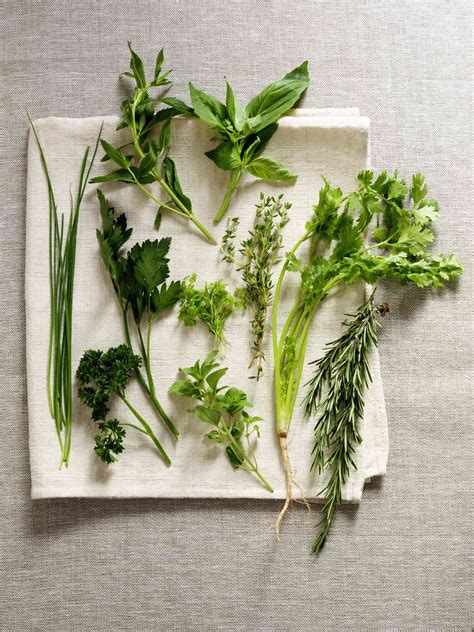
Soft herbs include varieties like parsley, cilantro, basil, mint, dill, chives, and tarragon. They have tender stems and leaves, making them more susceptible to wilting and spoilage. They thrive on moisture but need protection from excessive dampness that can lead to rot.
Method 1: The “Bouquet” Method for Soft Herbs (Most Effective)
- Trim Stems: Snip about half an inch off the bottom of the stems, just like you would with fresh flowers.
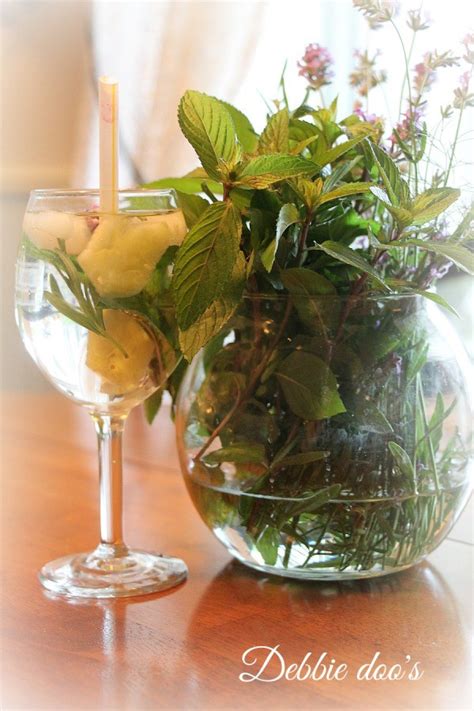
- Water Bath: Place the trimmed herbs upright in a glass jar or a tall container with about an inch of fresh, cool water at the bottom.
- Cover Loosely: For most soft herbs (parsley, cilantro, dill, mint), loosely cover the top with a plastic bag (e.g., a produce bag) to create a mini-greenhouse effect, trapping moisture.
- Refrigerate: Store the jar in the refrigerator. Change the water every 1-2 days to keep it fresh.
This method can keep herbs like parsley and cilantro vibrant for up to 2-3 weeks.
Hardy Herbs: The Robust Ones
Hardy herbs like rosemary, thyme, oregano, sage, marjoram, and bay leaves have tougher, woodier stems and more resilient leaves. They don’t require as much external moisture as soft herbs but still benefit from a controlled environment.
Method 2: The Damp Wrap for Hardy Herbs
- Rinse & Dry: Gently rinse the herbs under cool water and thoroughly pat them dry with paper towels or a clean kitchen towel. Excess moisture can lead to mold.
- Wrap Tightly: Wrap the herbs loosely in a slightly damp paper towel.
- Bag It Up: Place the wrapped bundle into a resealable plastic bag or an airtight container.
- Refrigerate: Store in the crisper drawer of your refrigerator.
This technique can keep hardy herbs fresh for 2-4 weeks.
Special Considerations: Basil and Beyond
Basil is the rebel of the soft herb family. It hates the cold and often turns black when refrigerated. For best results with basil:
- Room Temperature Bouquet: Treat basil like a cut flower. Trim the stems and place it in a jar of water on your kitchen counter, away from direct sunlight and drafts. Do not cover it with a plastic bag.
- Change Water: Replace the water daily.
Basil stored this way can last for up to a week.
Longer-Term Storage: Freezing Herbs
If you have an abundance of herbs and want to preserve them for several months, freezing is an excellent option, though it might slightly alter their texture, making them better suited for cooked dishes rather than fresh garnishes.
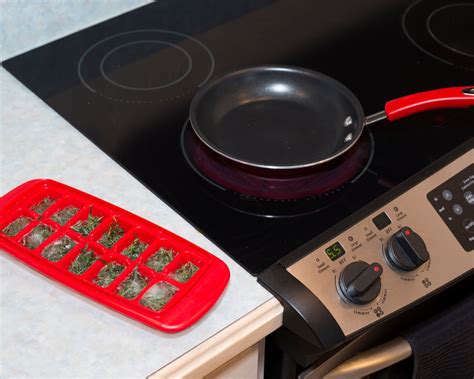
- Herb Ice Cubes: Chop herbs finely and pack them into ice cube trays. Cover with water or olive oil and freeze until solid. Transfer the frozen cubes to a freezer-safe bag.
- Blanched & Frozen: For some herbs, blanching quickly in boiling water, shocking in ice water, drying thoroughly, and then freezing on a baking sheet before bagging can also work.
Prepping for Plating: The Final Touch
Even perfectly stored herbs need a little TLC before they make their grand appearance on your plate.
- Gentle Rinse: Just before using, give herbs a quick, gentle rinse under cool water.
- Thorough Drying: Pat them completely dry with paper towels or use a salad spinner. Excess water can dilute flavors and make garnishes look sloppy.
- Precise Chop: Use a very sharp knife for chopping to avoid bruising the leaves, which can release bitter flavors and accelerate browning.
For an extra flourish, consider snipping delicate chive blossoms or microgreens directly onto the dish just before serving for ultimate freshness and visual appeal.

Conclusion: Elevate Your Culinary Art
Mastering the art of herb storage is a game-changer for any foodie. By implementing these simple yet effective techniques, you can ensure your fresh herbs retain their peak vibrancy and flavor, ready to add that professional touch and delightful taste to every dish you create. No more sad, wilted garnishes – only bright, aromatic masterpieces that impress both the eye and the palate.