How to store fresh produce longer for minimal food waste & vibrant meals?

The Art of Longevity: Why Proper Produce Storage Matters
In a world increasingly focused on sustainability and mindful living, extending the life of our fresh produce is a simple yet powerful way to reduce food waste, save money, and ensure our meals are consistently packed with vibrant flavors and nutrients. Imagine reaching for crisp lettuce days after your grocery run, or enjoying perfectly firm berries without a hint of mold. This isn’t just about avoiding spoilage; it’s about maximizing the potential of every fruit and vegetable that enters your kitchen.
General Principles for Peak Freshness
Before diving into specific items, a few golden rules apply broadly to most produce. Firstly, don’t wash produce until you’re ready to use it, as excess moisture encourages spoilage. Secondly, always inspect for damaged or spoiled pieces and remove them immediately, as one bad apple can indeed spoil the bunch. Lastly, ensure proper air circulation for items stored outside the fridge, and use appropriate containers inside.
Understand Your Crisper Drawers
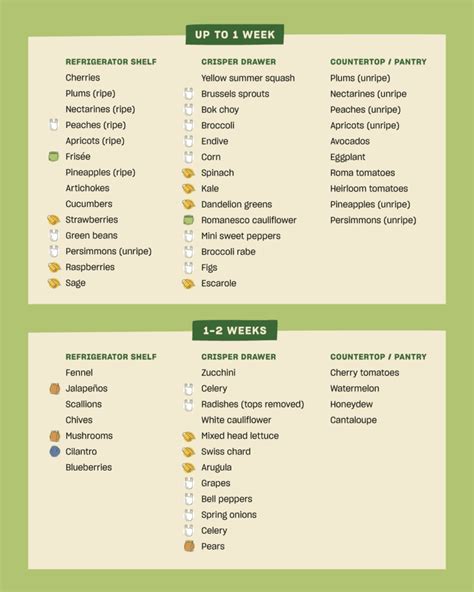
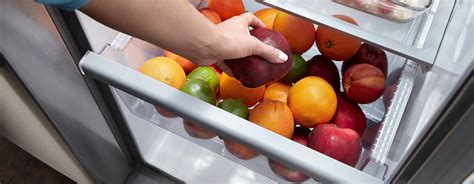
Your refrigerator’s crisper drawers aren’t just for show; they serve a crucial purpose. Most fridges have two: one for high-humidity and one for low-humidity. High-humidity drawers are best for thin-skinned produce prone to wilting (e.g., leafy greens, carrots, broccoli, asparagus). Low-humidity drawers suit thicker-skinned items that release ethylene gas (e.g., apples, pears, bell peppers) and benefit from less moisture.
Countertop & Pantry Stars: What Stays Out?
Not everything belongs in the cold embrace of your refrigerator. Some produce thrives at room temperature, at least initially:
- Tomatoes: Keep them on the counter stem-side down for best flavor and texture. Only refrigerate if they’re overripe and you want to extend their life a day or two.
- Onions & Garlic: Store in a cool, dark, dry place with good air circulation. Keep them away from potatoes, as gases exchanged can accelerate spoilage for both.
- Potatoes: Similar to onions, a cool, dark, well-ventilated spot is ideal. Avoid refrigerating, as it can convert starches to sugars, affecting taste and texture.
- Bananas: Ripen on the counter. Once ripe, you can refrigerate them to slow further ripening, though the skins will turn black (the fruit inside remains fine).
- Winter Squash & Pumpkins: Store in a cool, dry, dark place for weeks or even months.

Refrigerator Residents: Keeping it Cool
Leafy Greens & Herbs
These are often the first to wilt. For lettuce, spinach, and other greens, wash, thoroughly dry (a salad spinner is invaluable), then wrap in a paper towel and store in an airtight container or zip-top bag in the high-humidity crisper drawer. For herbs like parsley or cilantro, treat them like a bouquet: snip the ends, place upright in a glass of water, cover loosely with a plastic bag, and refrigerate. Basil, however, prefers room temperature in water, away from direct sunlight.
Berries
The key here is minimal moisture and no washing until just before use. Store berries in their original containers or transfer to a shallow, breathable container (like one with ventilation holes) lined with a paper towel. Place in the refrigerator. A quick vinegar wash (1 part white vinegar to 3 parts water, rinse well) just before storage can sometimes extend their life by inhibiting mold.
Carrots, Celery & Broccoli
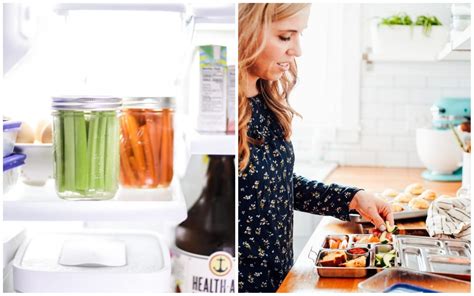
These hearty vegetables do well in the high-humidity crisper. Carrots and celery can benefit from being stored in a container of water, particularly if they’ve already started to go limp. Broccoli keeps well in a loosely sealed bag or container.

Advanced Tips & Tricks for Super Savers
- Freezing: Many vegetables (like broccoli, peas, corn, bell peppers) can be blanched and frozen for long-term storage, perfect for future soups, stir-fries, or smoothies. Fruits like berries and sliced bananas freeze well too.
- Ethylene Sensitivity: Some fruits (apples, bananas, avocados) produce ethylene gas, which ripens other produce faster. Keep ethylene producers separate from ethylene-sensitive items (like leafy greens, broccoli, carrots).
- Avocados: Ripen on the counter. Once ripe, move them to the refrigerator to slow down further ripening for a few extra days.

Embrace a Waste-Free Kitchen
By understanding the nuances of produce storage, you’re not just preventing food from going bad; you’re actively contributing to a more sustainable lifestyle. Each perfectly preserved vegetable and fruit means fewer trips to the grocery store, more money in your pocket, and a kitchen consistently stocked with fresh, wholesome ingredients ready to transform into vibrant, delicious meals. Start implementing these strategies today and watch your food waste shrink and your culinary creativity flourish.